
White House

Executive Mansion
About
#WhiteHouse
#ExecutiveMansion
#USPresidency
Life Classification
Official home of the President of the United States
Life ID
OL4989233366833
Verified Name
white-house
Life Type
Organization Life
Date of Founding
1792-Oct-13
Founded In :
Washington, District of Columbia, United States
Operating Status :
Operating
Life Editor(s)
History Editorial Network (HEN)
Life Privacy
Public
Subscription
Elite
Created On
2026-09-15
Updated On
2026-09-18
Profile Image
https://creativecommons.org/licenses/by-sa/3.0/-Ingfbruno
Cover Image
Public Domain
Connect
Related Lives

Toyota
Automotive Colossus

SpaceX
Space Exploration Technologies Company

United Nations
International Peace and Security

Netflix
The Streaming Giant

Blackberry
Canadian cybersecurity and software comp

World Economic Forum
Bridges of Change

The Pentagon
The Heart of American Military Power

TDK Corporation
Multinational Electronics Corporation

2026
The launch of the official White House mobile application marked a significant advancement in how the public engages with presidential communications. This application serves as a digital platform that allows users to access a variety of content directly from the White House, including updates, videos, and live events. By providing this mobile app, the White House aimed to enhance transparency and accessibility, ensuring that citizens could stay informed about government activities and initiatives in real-time. The app represents a strategic move to extend the White House's outreach beyond traditional methods, such as press releases and public speeches, by leveraging technology to connect with a broader audience.
The introduction of the mobile app aligns with the growing trend of digital communication in government, reflecting a shift towards more interactive and immediate forms of engagement. With the increasing reliance on smartphones and mobile devices for information consumption, the app is designed to meet the needs of a tech-savvy public. It not only facilitates easier access to official content but also encourages civic participation by allowing users to engage with the White House in a more direct manner. This initiative underscores the importance of adapting to changing communication landscapes and highlights the role of technology in modern governance.
View details2025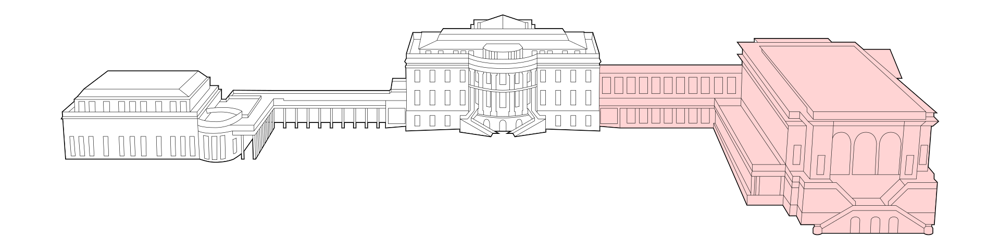
The White House ballroom project is a significant undertaking aimed at enhancing the facilities available for official events and gatherings. The project involves the construction of a new facility that will replace the existing East Wing of the White House. This new ballroom is designed to accommodate approximately 650 guests, making it a suitable venue for large-scale events, including state dinners and receptions. The total area of the facility is projected to be around 90,000 square feet, which will provide ample space for various functions and activities associated with the presidency. The estimated cost for this project is around $250 million, reflecting the scale and importance of the renovations being made to one of the most iconic buildings in the United States. The construction of the ballroom is expected to not only modernize the White House but also enhance its functionality for hosting dignitaries and other important guests.
View detailsThe White House has announced plans for a new ballroom complex aimed at enhancing its capacity for hosting major official functions. This project is designed to accommodate approximately 650 guests within a space of around 90,000 square feet. The initiative reflects a strategic move to modernize and expand the facilities available for state events, which have historically been held in more limited spaces. The ballroom is expected to serve as a venue for various high-profile gatherings, including state dinners, receptions, and other significant events that require a formal setting. The estimated cost of the project is around $200 million, which will be financed through private donations, indicating a reliance on external funding sources rather than public funds. This approach may allow for a more expedited construction process and the potential for a more tailored design that meets the specific needs of the White House.
View details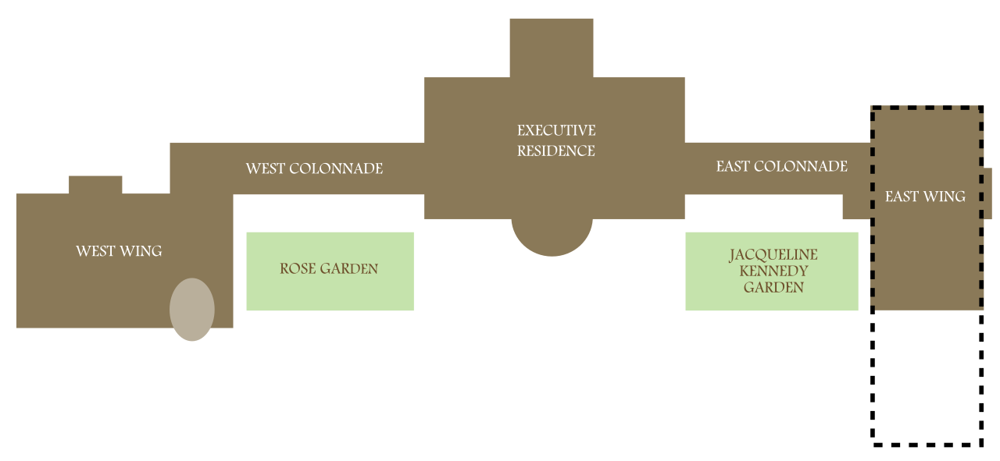
2020
The restoration of the White House Rose Garden was a project aimed at revitalizing a historic space that has been a significant part of the White House landscape since its inception. The project was privately funded and focused on renewing various aspects of the garden, including infrastructure, drainage systems, paving, and plantings. The design drew inspiration from the original 1962 garden plan created under the guidance of President John F. Kennedy and landscape designer Rachel Lambert Mellon. This restoration not only enhanced the aesthetic appeal of the garden but also improved its functionality and accessibility for visitors and events. The Rose Garden has historically served as a venue for presidential announcements, ceremonies, and social gatherings, making its upkeep essential for maintaining the traditions of the White House. The reopening of the garden marked a return to its former glory, allowing it to continue serving as a backdrop for important moments in American history.
View details2014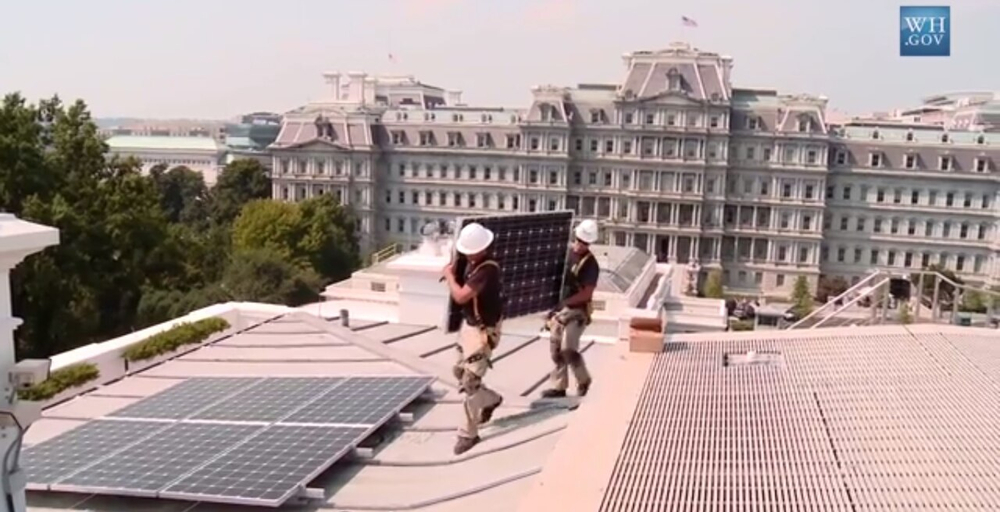
The installation of solar photovoltaic panels on the roof of the White House was a pivotal step in promoting renewable energy within a historic government building. This initiative aimed to modernize the energy infrastructure of the White House while demonstrating a commitment to sustainable practices. The decision to add solar panels was significant as it represented a revival of solar energy systems at the White House, which had not been utilized since the removal of solar thermal collectors that were installed during the Carter administration. The return of solar technology to this iconic building underscored a broader shift towards renewable energy sources in federal policies and initiatives.
The impact of this installation extended beyond the immediate benefits of generating clean energy. It served as a symbolic gesture, reinforcing the importance of environmental stewardship at the highest levels of government. The solar panels were expected to produce a portion of the electricity needed for the White House, contributing to energy efficiency and reducing reliance on fossil fuels. This move aligned with growing public interest in renewable energy and climate change mitigation, reflecting a changing attitude towards energy consumption and environmental responsibility in the United States. The White House's adoption of solar technology also aimed to inspire other institutions and homeowners to consider renewable energy solutions, thereby fostering a culture of sustainability across the nation.
View details2001
In the aftermath of the terrorist attacks on September 11, security measures surrounding the White House underwent significant enhancements. The events of that day prompted a reevaluation of security protocols, leading to the implementation of stricter physical barriers and access restrictions around the White House complex. These changes were aimed at preventing unauthorized access and ensuring the safety of the President and other officials. The perimeter was fortified with various security installations, including fences and checkpoints, which altered the flow of pedestrian and vehicular traffic in the vicinity of 1600 Pennsylvania Avenue. As a result, the area became more controlled, with increased surveillance and monitoring to deter potential threats. The heightened security measures not only affected those who worked in or visited the White House but also had broader implications for public access to government buildings in Washington, D.C. The changes reflected a shift in national security policy, emphasizing the need for vigilance in protecting key government sites from potential attacks.
View details1995
The closure of Pennsylvania Avenue in front of the White House marked a pivotal shift in the management of public space and security in the vicinity of one of the most recognized buildings in the United States. This decision was driven by the need for enhanced security measures during the administration of President Bill Clinton, reflecting a growing concern for the safety of the President and the integrity of the White House. The closure not only restricted vehicular traffic but also altered the dynamics of how citizens interacted with the presidential residence. Prior to this change, Pennsylvania Avenue served as a thoroughfare that allowed for a closer connection between the public and the White House, facilitating events and gatherings that celebrated national heritage and democratic engagement.
The impact of this closure extended beyond immediate security concerns. It established a precedent for the management of public spaces around significant government buildings, emphasizing the balance between accessibility and security. The decision to close Pennsylvania Avenue has been part of a broader trend in urban planning and public safety, where the need for security has often led to the reconfiguration of public spaces. This shift has implications for civic engagement, as it limits the ability of citizens to gather and express their views in proximity to the seat of power. The architectural and historical significance of the White House, coupled with the evolving nature of security protocols, continues to shape the narrative of public interaction with this iconic landmark.
View details1990
The Historic American Buildings Survey (HABS) documentation effort for the White House marked a pivotal initiative aimed at preserving the architectural integrity and historical significance of this iconic structure. This project involved the creation of comprehensive architectural records that documented the building's construction, its historic fabric, and the various alterations it has undergone throughout its existence. By meticulously recording these details, the HABS documentation serves as a vital resource for historians, architects, and preservationists, facilitating a deeper understanding of the White House's evolution and its role in American history. The documentation process included detailed drawings, photographs, and written descriptions, which collectively contribute to a broader narrative of the building's significance as a symbol of the American presidency and governance.
View details1980
A major program of exterior stone conservation was initiated at the White House to address the deterioration of its historic masonry. This program involved the removal of multiple layers of paint that had accumulated over time on various sections of the building's exterior. The conservation efforts focused on repairing the deteriorated sandstone, which had suffered from weathering and damage. The work aimed to preserve the integrity and historical significance of the Executive Residence while ensuring that the building remained a symbol of American heritage. The conservation project was part of a broader trend during this period that emphasized the importance of maintaining and restoring historic structures, reflecting a growing awareness of cultural preservation. The White House, as a national landmark, required careful attention to its architectural details and materials to uphold its status and aesthetic appeal. This initiative not only contributed to the physical upkeep of the building but also served as a reminder of the importance of heritage conservation in the face of modern challenges.
View details1979
President Jimmy Carter dedicated a solar thermal installation at the White House, which featured 32 solar collectors designed primarily for heating water. This initiative was part of a broader strategy by the Carter administration to promote energy conservation and the use of renewable energy sources, particularly in response to the energy crises that occurred during the 1970s. The installation served not only a practical purpose but also acted as a symbolic gesture reflecting the administration's commitment to addressing energy challenges and reducing dependence on fossil fuels. The solar thermal system was a pioneering effort in the federal government's approach to energy policy, showcasing the potential of solar technology in everyday applications. This move was significant in raising public awareness about renewable energy and its importance in the national energy strategy, influencing future policies and initiatives aimed at sustainability and environmental responsibility.
View details1975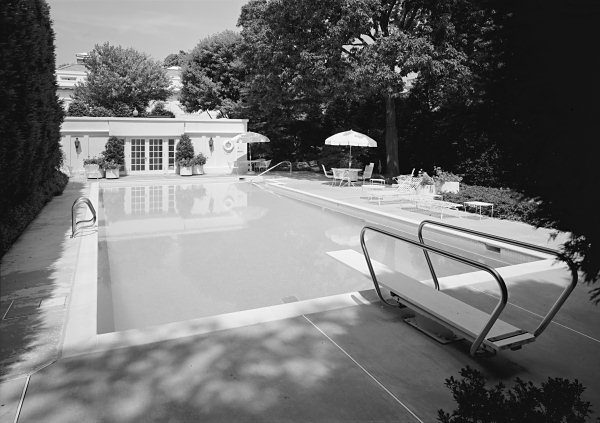
The completion of the outdoor swimming pool at the White House marked a notable development in the facilities available to the presidential family. This project was initiated to restore swimming amenities after the previous indoor pool had been repurposed for the press room, effectively eliminating the swimming option for the First Family. The outdoor pool was constructed on the South Grounds and was completed during the administration of President Gerald Ford, who was known for his enthusiasm for swimming. Following its completion, Ford utilized the pool the very next day, highlighting its immediate significance to the lifestyle of the presidential family. The addition of this pool not only provided a recreational space but also symbolized a return to leisure activities for the First Family, which had been disrupted by the earlier changes to the indoor swimming facility. The outdoor pool has since become a part of the White House's recreational offerings, serving both the family and guests, and contributing to the overall ambiance of the presidential estate.
View details1970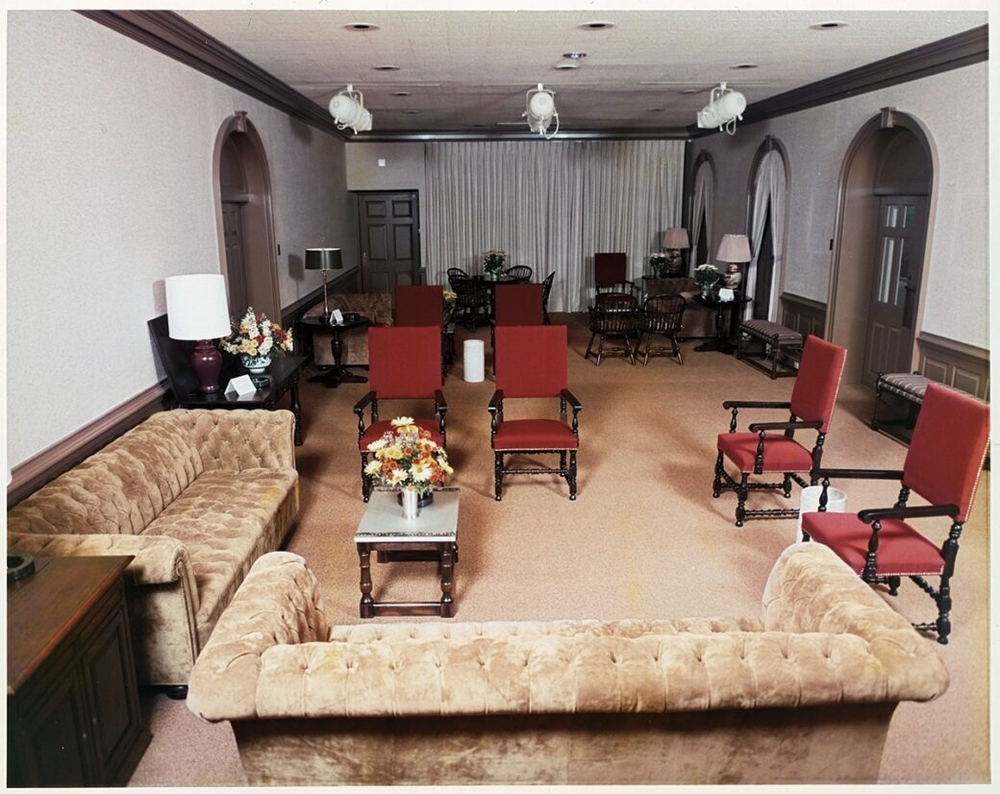
The White House Press Room was established above the indoor swimming pool originally created for Franklin D. Roosevelt. This development occurred during the administration of President Richard Nixon, reflecting the increasing need for dedicated space to accommodate the growing White House press corps. The construction involved placing a floor over the preserved pool, effectively transforming the area into a functional press facility. This innovation marked a significant evolution in how the White House interacted with the media, providing a designated space for press briefings and enhancing the flow of information between the government and the public. The new press room served as a precursor to the modern press briefing room, which has become a staple of White House communications. The establishment of this facility underscored the importance of media coverage in political discourse and the necessity for transparency in government operations.
View details1965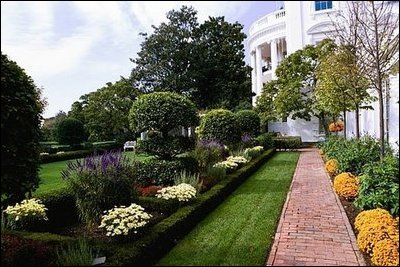
The East Garden, now known as the Jacqueline Kennedy Garden, was established during the administration of President John F. Kennedy. First Lady Jacqueline Kennedy collaborated with horticulturist and designer Rachel Lambert Mellon to create a formal garden that served as both a beautiful landscape and a functional outdoor ceremonial space. This garden was designed to host speeches, receptions, and various official events, reflecting the Kennedy administration's commitment to enhancing the aesthetic and cultural significance of the White House grounds. Jacqueline Kennedy's vision for the garden was part of a broader initiative to restore the White House and preserve its historic character, which included significant renovations and improvements to the estate's overall appearance and functionality.
The dedication of the East Garden as the Jacqueline Kennedy Garden was a tribute to her contributions and dedication to the White House. This naming recognized her efforts in restoring the historic residence and enhancing its grounds, which have become a vital part of the White House's identity. The garden not only serves as a serene retreat for the First Family but also as a venue for public events, showcasing the beauty of horticulture and the importance of preserving historical sites. The garden continues to be a symbol of Jacqueline Kennedy's legacy, representing her commitment to art, culture, and the preservation of American history.
View details1962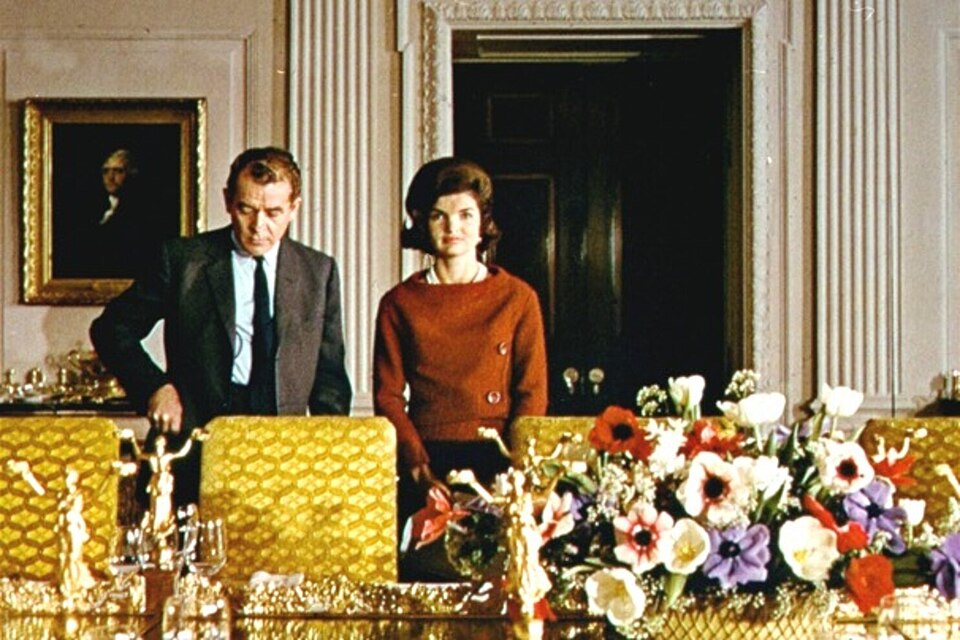
Jacqueline Kennedy, as First Lady, hosted a televised tour of the White House that showcased the extensive restoration efforts undertaken to preserve its historical significance. This initiative aimed to educate the public about the White House's architectural heritage, historic furnishings, and artwork. The broadcast was a strategic move to engage the American public and foster a sense of pride in the nation's history. The tour highlighted the importance of maintaining the White House not just as a residence for the President but as a symbol of American democracy and culture. The program attracted an audience of approximately 56 million viewers, marking a pivotal moment in how the public interacted with the history of the White House. This engagement not only increased awareness of the restoration project but also set a precedent for future public involvement in historical preservation efforts. The televised tour is often credited with enhancing the public's appreciation for the White House and its role in American history, making it a significant cultural event.
View details1961
The White House Historical Association was established as a nonprofit organization with the aim of promoting the understanding and preservation of the history of the White House. This initiative was encouraged by First Lady Jacqueline Kennedy, who recognized the importance of the White House as a symbol of American history and culture. The association's mission includes enhancing public appreciation for the historical significance of the White House and ensuring that its legacy is preserved for future generations. Through various educational programs, publications, and preservation efforts, the association plays a crucial role in maintaining the integrity and historical context of the White House. It also collaborates with other organizations and government entities to support its mission, ensuring that the rich history of the White House is accessible to the public.
View detailsThe Federal Law protecting historic White House furnishings was enacted to ensure the preservation of significant artifacts within the presidential residence. This legislation recognized the architectural and national importance of the White House and its furnishings, establishing that items deemed historically significant would be classified as inalienable property. This classification meant that such furnishings could not be disposed of as regular government property, thereby safeguarding them from potential loss or neglect. The law also facilitated partnerships with the Smithsonian Institution, allowing for the preservation of these items and enabling loans for public display, which further emphasized their cultural and historical value. This initiative not only aimed to protect the integrity of the White House as a national symbol but also to enhance public access to its rich history through curated exhibitions.
View details1960
The White House serves as both the official residence of the President of the United States and a site where the public can experience the historic interiors of the Executive Mansion. Its designation as a National Historic Landmark underscores its architectural and historical significance. This recognition highlights the White House's role not only as a symbol of the presidency but also as a vital part of American heritage. The landmark status ensures that the building's historical integrity is preserved for future generations, allowing visitors to appreciate its cultural and historical context. The White House has been the site of numerous significant events in U.S. history, making it a focal point for understanding the evolution of the nation’s governance and public life. The designation as a National Historic Landmark also facilitates the protection and maintenance of the property, ensuring that its historical features are preserved amidst the ongoing demands of modern governance.
View details1952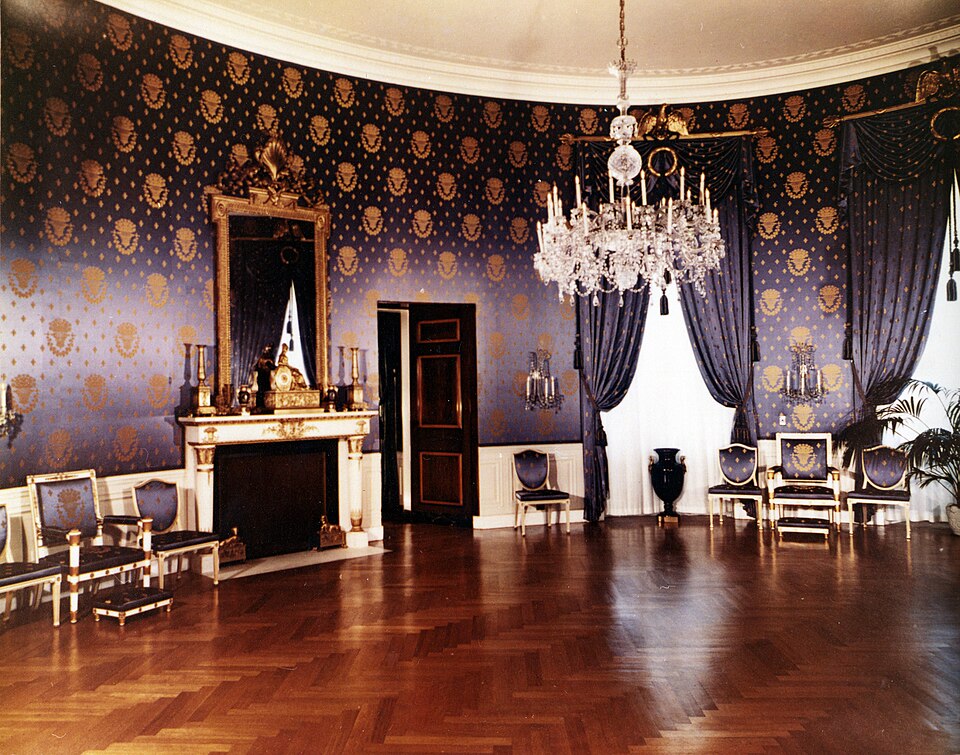
The White House, a symbol of American democracy, underwent significant reconstruction under President Truman after sustaining damage during World War II. This extensive renovation aimed to modernize the internal structural system while preserving the historic exterior walls and restoring major ceremonial rooms. The project was essential not only for the functionality of the residence but also for maintaining its historical integrity. The renovations included updates to the plumbing, electrical systems, and the addition of modern amenities, ensuring that the White House could serve its dual role as both a presidential residence and a public space. Following the completion of these renovations, public tours of the White House resumed, allowing citizens to engage with the historic interiors of the Executive Mansion once again. This reopening marked a return to a longstanding tradition where the public could experience the significance of the White House firsthand, reinforcing its role as a national landmark and a center of American political life. The restoration efforts not only revitalized the building but also enhanced its accessibility to the public, fostering a deeper connection between the American people and their government.
View detailsThe Truman family returned to the White House after an extensive reconstruction project that lasted over three years. During this period, they resided at Blair House, which served as a temporary home. The reconstruction aimed to address severe structural deficiencies that had been identified in the Executive Residence. The project was significant not only for its scale but also for its approach to preserving the historic identity of the White House. While the internal structure was modernized to improve safety and functionality, the exterior walls were retained to maintain the building's historical appearance. Major ceremonial rooms were also restored, ensuring that the White House could continue to serve its role as a symbol of American democracy and governance. This careful balance of modernization and preservation reflects the importance of the White House as a national landmark and the commitment to maintaining its historical integrity.
View details1950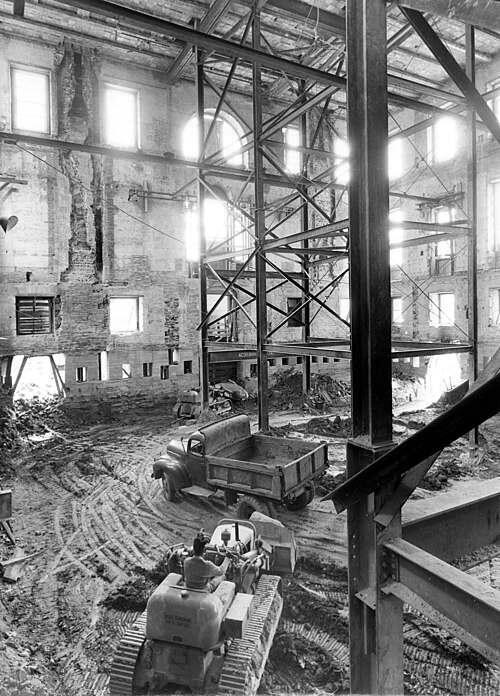
The gutted interior of the White House in May 1950 revealed the extraordinary scale of the reconstruction undertaken during President Harry S. Truman's administration. By this stage of the project, much of the Executive Mansion's interior had been removed, leaving its historic exterior walls standing around a vast construction site filled with temporary steel supports, excavation equipment, and debris. Photographs preserved by the Harry S. Truman Presidential Library and Museum document the work throughout the month, including views dated 02/05/1950, 08/05/1950, 17/05/1950, and 25/05/1950.
The reconstruction followed growing concerns about the structural condition of the White House. Years of alterations, together with problems involving its aging wooden beams and interior walls, had left the building in poor condition. A structural examination in 1948 confirmed serious problems. The Commission on the Renovation of the Executive Mansion ultimately chose to preserve the historic exterior walls, third floor, and roof while removing most of the interior and rebuilding the structure around a modern steel framework and concrete foundation. President Truman and his family moved across Pennsylvania Avenue to Blair House while the work was carried out.
By May 1950, the familiar rooms and corridors inside the White House had largely disappeared. A photograph dated 17/05/1950 shows sunlight entering through window openings into a cavernous interior held by a network of temporary steel bracing. The exterior walls had been given new concrete underpinnings so that earth-moving machinery could excavate below the former basement. Another photograph from 25/05/1950 records workers dismantling ceilings and walls in basement rooms along the north wall. A separate image from the same date describes the White House after it had been gutted, with iron beams supporting the original exterior walls.
The project went far beyond replacing deteriorated rooms. Crews poured 126 reinforced-concrete support columns extending to a depth of 25 feet, helping create space for two new sub-basement levels. The reconstruction eventually incorporated a new structural steel frame, modern mechanical systems, and air conditioning. The White House Historical Association records that 660 tons of steel were used in stabilizing the building.
National Park Service photographer Abbie Rowe repeatedly photographed the construction, creating a detailed visual record of the White House temporarily reduced to its structural shell. One Truman Library photograph dated 25/05/1950, accession number 71-312, specifically describes the interior after gutting and credits Rowe and the National Park Service. These images show a presidential residence that, from outside, retained its recognizable historic appearance while inside undergoing an almost complete structural reconstruction.
Construction continued through 1951 and into 1952. The rebuilt interior retained the historic exterior shell but incorporated new foundations, steel framing, and two sub-basement levels. President Truman returned to the White House on 27/03/1952, nearly four years after the Truman family had moved to Blair House during the reconstruction.
Historical Significance
The photographs from May 1950 provide an unusual record of the White House as an almost empty masonry shell. The reconstruction preserved its recognizable historic exterior while replacing much of the aging internal structure with a steel and concrete framework.
View details1949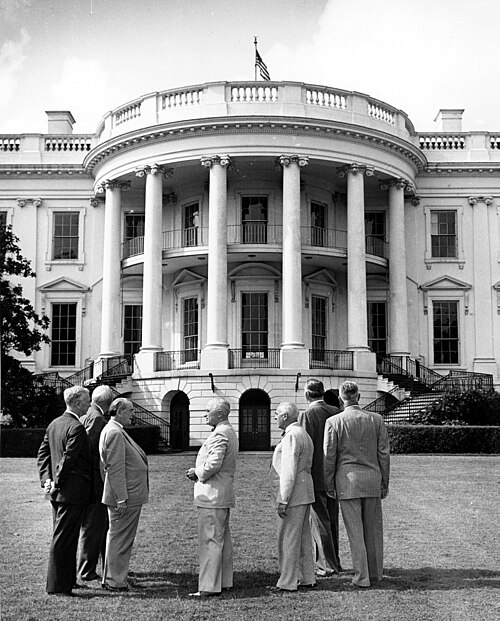
The interior of the White House underwent a major reconstruction effort that involved substantial dismantling of its historic interiors. This initiative was part of a broader reconstruction project led by President Truman, aimed at addressing significant structural deficiencies that had developed over time. The process involved removing the interior down to the exterior walls, which allowed for the installation of a new steel and concrete structural framework. This framework was essential for ensuring the building's safety and longevity while preserving its iconic exterior appearance. The project was a response to concerns about the integrity of the structure, which had been compromised due to years of wear and tear, as well as previous renovations that had not adequately addressed underlying issues. By focusing on both preservation and modernization, the reconstruction aimed to maintain the historical significance of the White House while enhancing its functionality and safety for future use.
View details1948
The Truman family relocated from the White House to Blair House due to serious structural weaknesses identified in the Executive Residence. Engineers conducted assessments that revealed significant concerns regarding the integrity of the building, prompting a formal recommendation for the family to vacate. This decision marked a critical moment in the history of the White House, as it allowed for extensive reconstruction efforts to address the identified issues. The move to Blair House, which is located just across the street from the White House, provided a temporary residence for the Trumans while the necessary repairs and renovations were undertaken. The reconstruction aimed to enhance the safety and longevity of the historic building, ensuring that it could continue to serve as the official residence of the President of the United States. This situation highlighted the importance of maintaining the structural integrity of such a significant national landmark, as well as the challenges faced in preserving its historical value while accommodating modern needs.
View detailsThe Truman Balcony, located on the second floor of the South Portico of the White House, was completed during the administration of President Harry S. Truman. This addition was designed to provide the First Family with a private outdoor space, enhancing their living quarters within the historic residence. The balcony became a notable feature of the White House's south facade, despite facing initial architectural controversy regarding its design and integration with the existing structure. The decision to construct the balcony reflected a growing trend among modern residences to incorporate outdoor living spaces, which were becoming increasingly popular in mid-20th century American architecture. The balcony not only served a functional purpose but also contributed to the aesthetic appeal of the White House, allowing for views of the surrounding gardens and grounds. Over time, the Truman Balcony has become a symbol of the presidential home, often used for official events and gatherings, further solidifying its place in the history of the White House.
View details
1942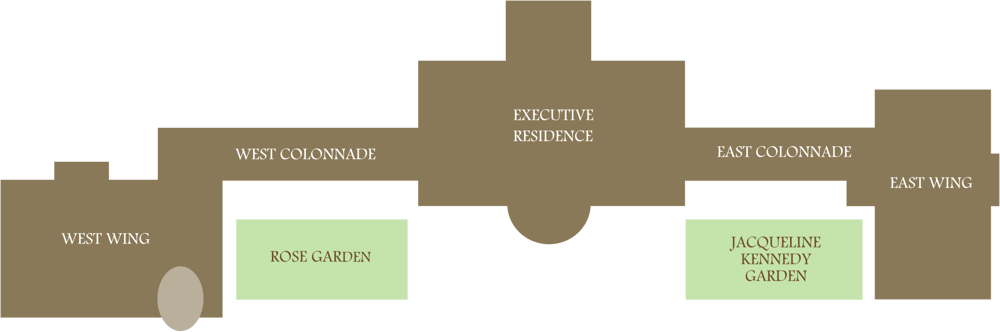
The East Wing of the White House underwent a significant expansion during World War II, which was a crucial period for the United States. This expansion involved the addition of a second story and the creation of more office space, which was essential for accommodating the growing administrative needs of the government during wartime. The construction also included the development of protected underground facilities, enhancing the security and functionality of the East Wing. This transformation was not merely structural; it marked the East Wing's evolution into a vital working component of the White House complex, facilitating the operations of the executive branch during a time of national crisis. The changes made to the East Wing reflected the broader demands of the war effort, as the government required more efficient spaces to manage various wartime initiatives and communications.
View details1934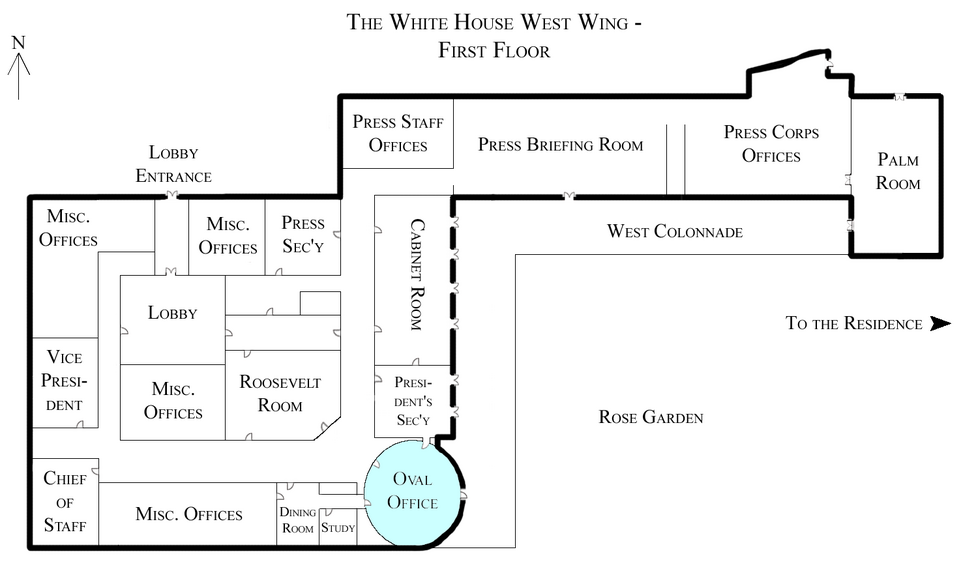
The expansion of the West Wing of the White House and the relocation of the Oval Office were pivotal developments in the evolution of the presidential workspace. Under the administration of President Franklin D. Roosevelt, the West Wing underwent significant modifications to accommodate the growing demands of the modern presidency. This expansion was not merely a matter of aesthetics; it was a response to the increasing complexity of governance and the need for more functional office space. The relocation of the Oval Office to its current position at the southeast corner of the West Wing allowed for better organization and accessibility, reflecting the changing nature of executive responsibilities. This strategic move also facilitated improved communication and collaboration among the president's staff, which was essential for effective decision-making during a time of national and global challenges.
View details1933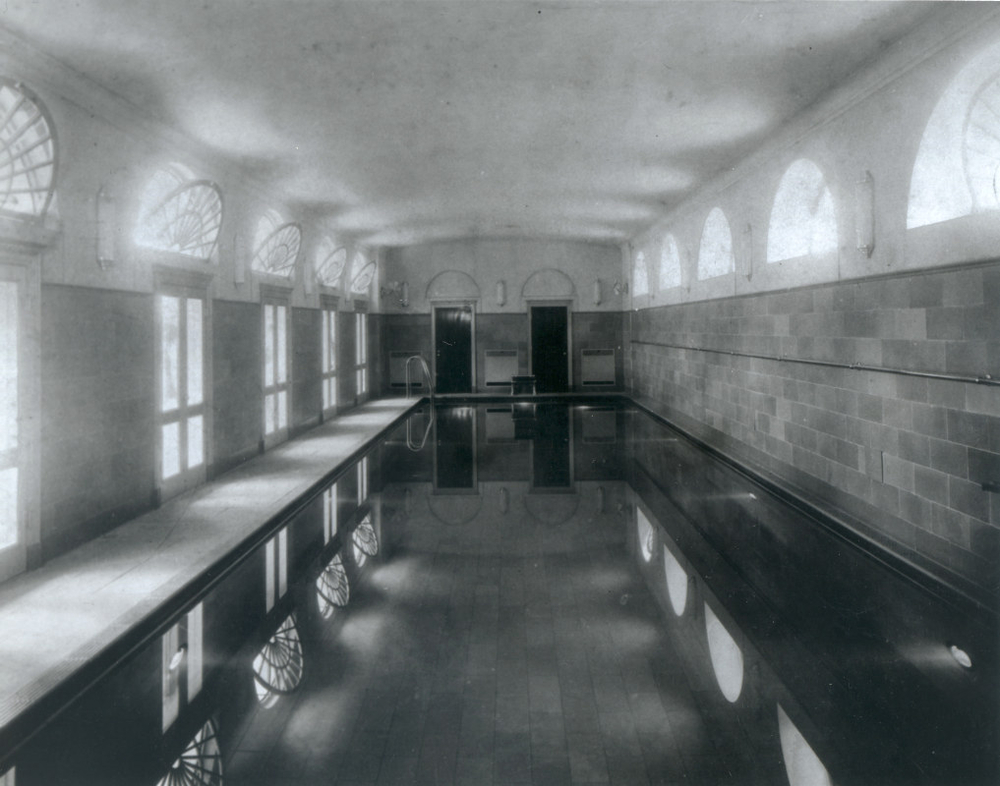
President Franklin D. Roosevelt utilized a newly constructed indoor swimming pool at the White House, designed specifically for his therapeutic needs. Roosevelt, who suffered from paralysis due to polio, required regular exercise to maintain his health and mobility. The installation of the pool represented a significant adaptation to the White House, allowing the President to engage in physical activity in a controlled environment. The pool was not only a personal facility for Roosevelt but also a symbol of his resilience and determination to overcome the limitations imposed by his condition. Over time, the space that housed the pool was repurposed to accommodate the White House press briefing facilities, effectively covering the pool while it remained intact beneath the floor. This transformation highlights the evolving nature of the White House as a functional space, balancing the needs of the President with the demands of public communication.
View details1930
The West Wing of the White House, a critical hub for presidential operations, underwent significant reconstruction following a fire that occurred on Christmas Eve in 1929. This fire caused extensive damage, necessitating a swift and comprehensive restoration effort to ensure the continuity of executive functions. The project was executed efficiently, allowing for a return to normal operations in a relatively short timeframe. President Herbert Hoover and his staff were able to resume their duties in the West Wing shortly after the completion of the repairs, marking a return to stability in the executive office complex. The rapid restoration not only reinstated the physical space but also reinforced the importance of the West Wing as a symbol of presidential authority and governance. The event highlighted the resilience of the White House infrastructure and the commitment to maintaining its operational integrity, even in the face of unforeseen challenges.
View details1929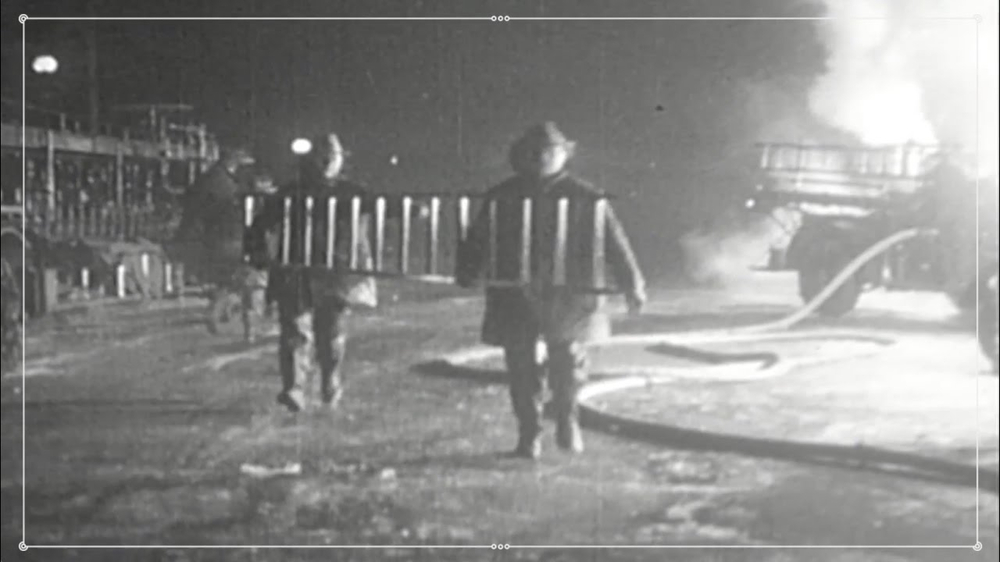
A fire occurred in the West Wing of the White House during the administration of President Herbert Hoover. The incident took place on Christmas Eve and resulted in significant damage to the executive offices. Firefighters responded promptly and managed to bring the blaze under control within the same evening. The extent of the damage necessitated substantial repairs, leading to the temporary relocation of presidential staff as reconstruction efforts were initiated. This event highlighted the vulnerabilities of historic buildings to fire hazards and underscored the importance of fire safety measures in government facilities.
View details1927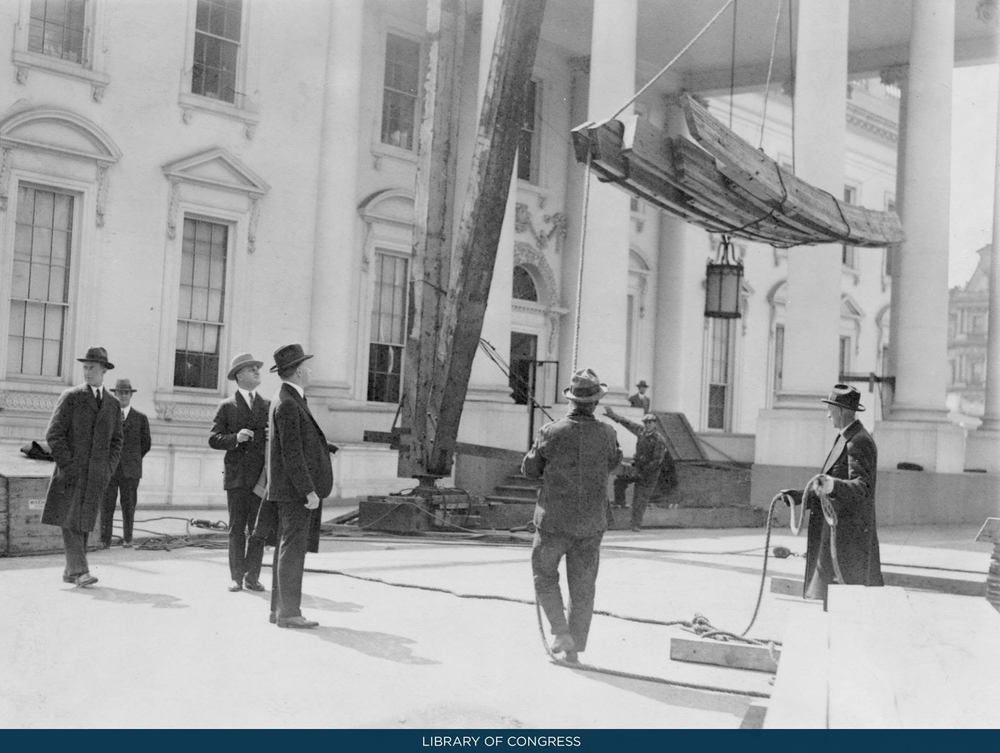
The reconstruction of the White House roof and attic during the Calvin Coolidge administration marked a pivotal moment in the building's history. This extensive project aimed to enhance the functionality of the third floor while also addressing the structural integrity of the roof. Prior to this renovation, the attic space was largely underutilized, and the roof required significant repairs to ensure the safety and longevity of the residence. The alterations made during this period not only improved the living conditions for the First Family but also represented a crucial step in the ongoing preservation and modernization of the White House. The changes made during this reconstruction were among the most significant physical modifications to the residence prior to the later, more comprehensive renovations undertaken during the Truman administration. This project set a precedent for future renovations, emphasizing the importance of maintaining the historical integrity of the building while adapting it for contemporary use.
View details1913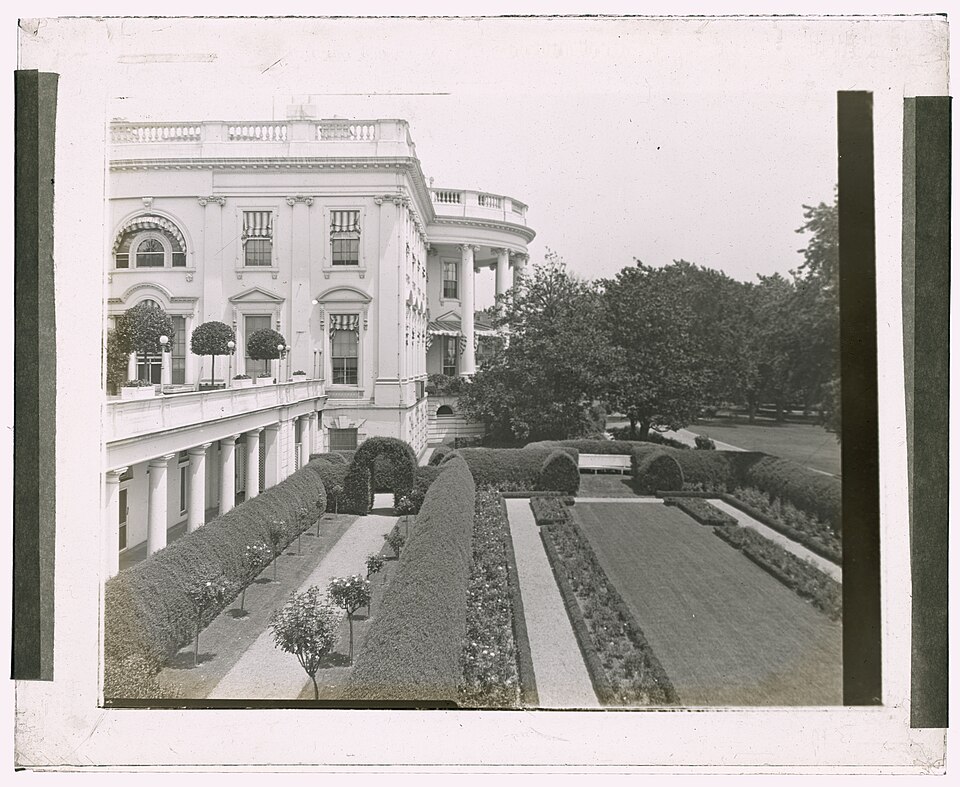
The establishment of the first formal White House Rose Garden marked a pivotal development in the landscaping of the presidential residence. Under the guidance of First Lady Ellen Axson Wilson, the garden was created near the West Wing, replacing a colonial-style garden that had previously occupied the space. This initiative not only transformed the aesthetic appeal of the White House grounds but also set a precedent for future landscaping projects. The Rose Garden became a significant venue for presidential events, press conferences, and social gatherings, enhancing the public's engagement with the presidency. The design and layout of the garden were carefully planned to include a variety of roses, which contributed to its reputation as a symbol of beauty and tranquility in the heart of Washington, D.C. Over time, the garden has undergone various redesigns, most notably during the Kennedy administration, which further solidified its status as an iconic feature of the White House.
View details