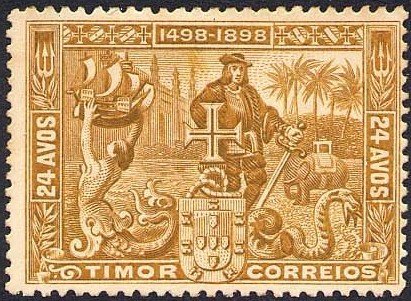
Portuguese explorers reached Timor, engaging in trade and introducing Christianity and colonization to the region.
Timor-Leste

Global Trade
3 min read
Updated By: History Editorial Network (HEN)
Published:
In the early 16th century, Portuguese explorers arrived in Timor, marking the beginning of European presence on the island. Led by Diogo da Rocha and Estevão da Gama, the explorers sought to establish trade routes and expand Portuguese influence in the region.
The arrival of the Portuguese explorers had a lasting impact on Timor, as it introduced new technologies, crops, and animals to the island. The explorers also brought Christianity to the predominantly animist population, leading to the spread of the religion across the island.
As a result of their arrival, Timor became a strategic outpost for the Portuguese Empire in the lucrative spice trade, further enhancing their power in the region. The presence of the Portuguese also led to the gradual decline of local kingdoms and chieftaincies, as they were gradually brought under Portuguese colonial rule.
Today, the legacy of the Portuguese explorers can still be seen in Timor's architecture, language, and culture, which bear traces of European influence. The arrival of the Portuguese explorers in Timor marked a significant turning point in the island's history, shaping its development for centuries to come.
#PortugueseExplorers #TimorHistory #EuropeanInfluence
Primary Reference
East Timor | History, Independence, Flag, & Facts | Britannica
Explore the Life Moments of
 AI Twin