
TDK Corporation

Multinational Electronics Corporation
About
#TDKCorporation
#TDKHistory
#TechnologyInnovation
#ElectronicsIndustry
Life Classification
Electronics Corporation
Life ID
OL7194457785035
Verified Name
tdk-corporation
Life Type
Organization Life
Founder(s)
Kenzo Saito
Date of Founding
1935-Dec-07
Founded In :
Tokyo
Operating Status :
Operating
Life Editor(s)
History Editorial Network (HEN)
Life Privacy
Public
Subscription
Elite
Created On
2026-11-03
Updated On
2026-11-06
Profile Image
By Yūsaku Kamekura - TDK, Public Domain, https://commons.wikimedia.org/w/index.php?curid=42930805
Cover Image
By 散歩 - 投稿者による撮影, Public Domain, https://commons.wikimedia.org/w/index.php?curid=117448003
Connect
Related Lives

The Pentagon
The Heart of American Military Power

Apple Inc.
Global Leader in Technology

Gulf Cooperation Council
Regional Intergovernmental Organization

Microsoft
Technology company

Kentucky Derby
The Run for the Roses

White House
Executive Mansion

The Walt Disney Company
The Magic Kingdom Empire

Nokia
Telecommunications company

2026
In 2026, TDK Corporation acquired technology assets from OQmented, a German company specializing in laser beam scanning and microelectromechanical systems (MEMS) technology for advanced displays. OQmented's work focused on miniature scanning systems capable of directing light with high precision, including applications in augmented reality and near-eye displays. The acquisition expanded TDK's access to technologies relevant to compact visual systems, complementing its existing expertise in electronic components, sensors, and precision manufacturing.
The acquired assets supported TDK's development of technologies for next-generation wearable and visual devices. Laser beam scanning systems can be used to create compact display architectures suitable for smart glasses and other head-mounted equipment, where size, weight, and power consumption are important design constraints. The transaction added specialized display-related intellectual property and technical capabilities to TDK's portfolio. Commercial applications and product development outcomes remained dependent on further engineering and integration work.
View detailsIn 2026, TDK Corporation expanded its rechargeable battery business through the addition of Linergy Power Sdn. Bhd., a Malaysian lithium-ion battery manufacturer, to the TDK Group. The development strengthened TDK's manufacturing presence in Southeast Asia and complemented its existing battery operations, including Amperex Technology Limited (ATL), which joined the group in 2005. Lithium-ion rechargeable batteries are widely used in portable electronic devices because of their energy density, rechargeability, and compact construction.
Linergy Power's inclusion broadened TDK's battery manufacturing network in Malaysia, adding production capabilities to its energy application business. The expansion aligned with the company's activities in rechargeable batteries for consumer electronics and other compact devices. It also extended TDK's regional manufacturing footprint as the company continued developing its battery supply chain and production operations. The exact transaction date and ownership arrangement require confirmation from official corporate records.
View detailsIn 2026, TDK Corporation established an Asia-Pacific regional headquarters in India as part of its regional management and business development strategy. The initiative was intended to strengthen coordination across the company's Asia-Pacific operations, which span electronic components, sensors, rechargeable batteries, magnetic technologies, and related businesses. A regional headquarters provides a structure for coordinating business priorities, supporting local operations, and managing relationships across multiple markets.
The establishment reflected TDK's efforts to develop a more regionally coordinated operating structure while maintaining its corporate headquarters in Japan. India offers a base for engaging with electronics manufacturers, industrial customers, and regional business partners. The new headquarters was intended to support business development and operational coordination across Asia-Pacific. The precise city, formal establishment date, and organizational scope require confirmation from an official company announcement.
Verified Details
TDK's official announcement confirms that the regional headquarters began operations on 01/04/2026, following its announcement on 02/03/2026. The headquarters uses a dual-city structure, with Bengaluru handling regional growth and technology development, while Singapore supports governance, compliance, and supply chain coordination. It oversees more than 20 TDK entities across India, Southeast Asia, and Oceania
View details2025
In 2025, TDK Corporation acquired SoftEye, Inc., a technology company developing solutions for smart glasses and wearable devices. The acquisition expanded TDK's capabilities in technologies designed for compact, head-worn electronics, including devices incorporating artificial intelligence. Smart glasses require components that can operate within strict limitations on size, weight, and power consumption. SoftEye's addition to the TDK Group complemented the company's existing activities in sensors, electronic components, batteries, and technologies for wearable applications.
The acquisition supported TDK's expansion into integrated technologies for next-generation wearable devices. AI-enabled smart glasses can combine sensing, information processing, and user interaction within a compact form factor. Bringing SoftEye into the group provided TDK with additional specialized expertise relevant to these applications. The transaction reflected TDK's continuing development of technologies for wearable electronics, building on its established component businesses and earlier investments in sensing and edge AI.
View details2024
In 2024, TDK Corporation established TDK SensEI Pte. Ltd. in Singapore to develop artificial intelligence solutions for industrial equipment monitoring. The venture focused on combining edge AI, sensor fusion, and machine-learning technologies to assess machinery operating conditions. Its approach uses data from sensors measuring factors such as vibration and temperature to identify patterns associated with equipment wear or abnormal operation. Processing information close to the equipment can support timely analysis without continuously transferring large volumes of sensor data to remote systems.
TDK SensEI's activities built on TDK's existing sensor technologies and its expansion into artificial intelligence, including the acquisition of Qeexo in 2023. The venture targeted industrial applications where equipment reliability, maintenance planning, and operational continuity are important. By integrating sensor measurements with AI-based analysis, its solutions aimed to help operators identify developing mechanical problems and make more informed maintenance decisions. The establishment extended TDK's activities from supplying sensing components toward providing equipment health monitoring solutions.
View detailsOn 17/06/2024, TDK Corporation announced the development of a material for next-generation CeraCharge solid-state batteries, reporting an energy density of approximately 1,000 watt-hours per liter (Wh/L). According to TDK, this represented roughly 100 times the energy density of its conventional solid-state battery. The technology uses an oxide-based solid electrolyte and lithium-alloy anodes, with the aim of increasing the energy stored in very small battery cells. The announcement concerned a materials development rather than the commercial launch of a finished battery.
TDK identified wireless earphones, hearing aids, smartwatches, and other wearable electronics as potential applications. The solid-state design eliminates the flammable liquid electrolyte found in conventional lithium-ion batteries, while the ceramic construction supports compact component designs. TDK stated that further development would focus on increasing battery capacity and preparing the technology for practical use. The reported energy density was a development-stage figure, not a confirmed specification for commercially available CeraCharge products.
View details2023
In 2023, TDK Corporation announced that its manufacturing sites in Japan had transitioned to electricity sourced entirely from renewable energy. The achievement formed part of the company's efforts to reduce greenhouse gas emissions associated with manufacturing electronic components, sensors, magnetic materials, and other products. TDK's Japanese production network includes facilities in Akita Prefecture and other locations. The transition addressed electricity-related emissions from these manufacturing operations and supported the company's broader environmental targets.
The change involved renewable electricity procurement and the use of mechanisms for attributing renewable energy to electricity consumption. Achieving 100% renewable electricity at Japanese manufacturing sites did not mean that all energy used by the facilities was renewable or that every source of greenhouse gas emissions had been eliminated. It also did not represent the completion of TDK's global electricity transition. The achievement established a regional benchmark as TDK continued working toward wider renewable electricity adoption across its international operations.
View detailsIn 2023, TDK Corporation acquired Qeexo, a United States-based artificial intelligence company specializing in automated machine learning for edge devices. Qeexo, headquartered in Mountain View, California, developed Qeexo AutoML, a platform designed to create machine-learning models from sensor data without requiring extensive programming expertise. The acquisition, announced in January 2023, expanded TDK's capabilities in software-based sensor intelligence and complemented its existing portfolio of motion, magnetic, and other sensing technologies.
Qeexo's technology enables machine-learning models to operate directly on devices such as microcontrollers, reducing the need to transmit sensor data continuously to cloud servers. Potential applications include gesture recognition, activity monitoring, industrial equipment analysis, and other sensor-based functions. By integrating Qeexo's automated machine-learning expertise with its hardware capabilities, TDK expanded its ability to develop intelligent sensing solutions combining physical sensors with on-device data processing.
View details2022
In 2022, TDK Corporation joined RE100, a global corporate renewable electricity initiative led by Climate Group in partnership with CDP. RE100 brings together companies committed to using 100% renewable electricity in their operations. TDK's participation supported its environmental strategy, including its longer-term goal of reducing greenhouse gas emissions from business activities. As a manufacturer of electronic components, sensors, batteries, and magnetic materials, TDK operates energy-intensive production facilities across several countries, making electricity procurement an important part of its emissions reduction efforts.
Through RE100, TDK committed to transitioning electricity used in its business operations toward renewable sources. Measures available to the company included purchasing renewable electricity, using renewable energy certificates where applicable, and installing on-site generation systems. The initiative provided a framework for reporting progress and aligning electricity procurement with recognized renewable energy criteria. Joining RE100 represented a commitment to future electricity sourcing rather than confirmation that TDK's worldwide operations had already achieved 100% renewable electricity use.
View details2018
In 2018, TDK Corporation acquired Chirp Microsystems, Inc., a California-based developer of ultrasonic sensing technology. The acquisition, announced on 21/02/2018, expanded TDK's portfolio of microelectromechanical systems (MEMS) sensors. Chirp specialized in miniature ultrasonic time-of-flight sensors that measure distance by transmitting sound waves and detecting their reflections. Unlike optical distance sensors, ultrasonic devices can detect objects under varying lighting conditions, making them suitable for proximity sensing, object detection, and other applications in compact electronic devices.
Chirp Microsystems became part of TDK's sensor business alongside InvenSense, which TDK had acquired in 2017. The combination brought ultrasonic distance measurement technology into a portfolio that already included motion sensors, gyroscopes, and accelerometers. Chirp's products supported applications in robotics, consumer electronics, and connected devices, where compact size and low power consumption were important. The acquisition added specialized ultrasonic MEMS design capabilities to TDK's expanding sensing operations.
View details2017
On 01/02/2017, TDK Corporation and Qualcomm Incorporated launched RF360 Holdings Singapore Pte. Ltd., a joint venture specializing in radio-frequency (RF) front-end components for wireless communication devices. The partnership was first announced on 13/01/2016. Qualcomm held a 51% ownership stake, while TDK retained 49%. The venture combined TDK's expertise in surface acoustic wave (SAW) filters and RF components with Qualcomm's mobile communications technologies, supporting smartphones and other connected devices operating across multiple frequency bands.
RF360 developed and supplied RF filters, duplexers, and related components that help wireless devices transmit and receive signals while limiting interference. The partnership brought together TDK's manufacturing capabilities and Qualcomm's wireless technology portfolio as mobile networks evolved toward 5G. In September 2019, Qualcomm acquired TDK's remaining 49% interest, making RF360 a wholly owned Qualcomm business.
View details2016
In 2017, TDK Corporation completed its acquisition of InvenSense, Inc., an American sensor technology company headquartered in San Jose, California. The transaction was announced on 21/12/2016 and completed on 18/05/2017, with an equity value of approximately US$1.3 billion. InvenSense specialized in microelectromechanical systems (MEMS) motion sensors, including accelerometers and gyroscopes that detect movement, orientation, and rotation. Its technologies were used in smartphones, wearable devices, gaming equipment, and other electronic products requiring compact motion sensing capabilities.
The acquisition expanded TDK's sensor portfolio beyond its established magnetic components and magnetic sensing technologies. InvenSense brought expertise in MEMS design, sensor integration, and motion-processing software, complementing TDK's existing materials and electronic components businesses. The combined capabilities supported applications in consumer electronics, automotive systems, industrial equipment, and connected devices. InvenSense subsequently operated within the TDK Group, contributing to the company's development of motion and inertial sensing products.
View detailsIn 2016, TDK Corporation announced plans to acquire Tronics Microsystems SA, a French manufacturer of microelectromechanical systems (MEMS) sensors headquartered in Crolles, France. The proposed acquisition was pursued through TDK's subsidiary EPCOS AG. Tronics specialized in high-performance inertial sensors, including MEMS gyroscopes and accelerometers that measure rotation and movement. Its technologies served industrial, aerospace, and other applications requiring precise motion sensing, adding specialized sensor capabilities to TDK's electronic components portfolio.
The acquisition process continued into 2017, when TDK completed its public tender offer for Tronics shares. The addition complemented TDK's existing magnetic sensor technologies and broadened its participation in motion and inertial sensing. MEMS devices combine miniature mechanical structures with electronic circuits, allowing movement to be measured in compact packages. Tronics brought expertise in sensor design, microfabrication, and manufacturing processes, supporting TDK's development of sensing technologies for demanding industrial applications.
View detailsIn 2016, TDK Corporation completed its acquisition of Hutchinson Technology Incorporated, an American manufacturer based in Hutchinson, Minnesota. The transaction, announced in November 2015 and completed on 04/10/2016, expanded TDK's business in hard disk drive suspension assemblies. These precision components support the magnetic recording heads that read and write data on rotating disk surfaces. Hutchinson Technology specialized in suspension systems requiring accurate mechanical positioning, controlled flexibility, and reliable performance within the extremely small operating clearances of modern hard drives.
The acquisition complemented TDK's existing magnetic head operations, including SAE Magnetics and Headway Technologies. By adding suspension assembly manufacturing, TDK expanded its range of components used in hard disk drive head assemblies. The transaction also brought additional engineering expertise and manufacturing capabilities in precision metal components and related processes. Hutchinson Technology became part of the TDK Group as the company continued supplying components to the global data storage industry.
View detailsIn 2016, TDK Corporation acquired Micronas Semiconductor Holding AG, a Swiss semiconductor company headquartered in Zurich, with major operations in Freiburg, Germany. TDK announced its public tender offer in December 2015 and completed the acquisition in March 2016. Micronas specialized in Hall-effect magnetic sensors and semiconductor solutions used in automotive and industrial applications. Its products enabled contactless measurement of position, speed, and magnetic fields, supporting electronic control systems in vehicles and machinery.
The acquisition expanded TDK's sensor business and complemented its established expertise in magnetic materials and electronic components. Micronas supplied technology used in automotive systems, including motor control, position detection, and other sensing applications. Bringing the company into the TDK Group added semiconductor design, manufacturing, and customer relationships in the automotive industry. Micronas subsequently became part of TDK's expanding sensor operations, which also included technologies for motion, pressure, and magnetic field measurement.
View details
2014
In 2014, TDK Corporation completed its withdrawal from the recording media business, ending a product category that had been part of its operations since the introduction of magnetic recording tape in 1953. TDK had become known internationally for audio cassettes, VHS and Betamax video tapes, and recordable optical discs. The withdrawal followed its 2007 transfer of TDK-branded recording media marketing and sales operations to Imation Corporation. Changes in consumer storage technology, including the adoption of digital files, flash memory, and network-based services, had reduced demand for traditional recording media.
The withdrawal allowed TDK to concentrate its resources on electronic components, magnetic recording heads for hard disk drives, rechargeable batteries, power supplies, and other technologies. These businesses drew on the company's established expertise in magnetic materials, ceramics, and precision manufacturing. Although TDK-branded recording media had been widely distributed for decades, the company's industrial and technology portfolio had expanded considerably through internal development and acquisitions. The 2014 withdrawal reflected this shift in its business activities.
View details2012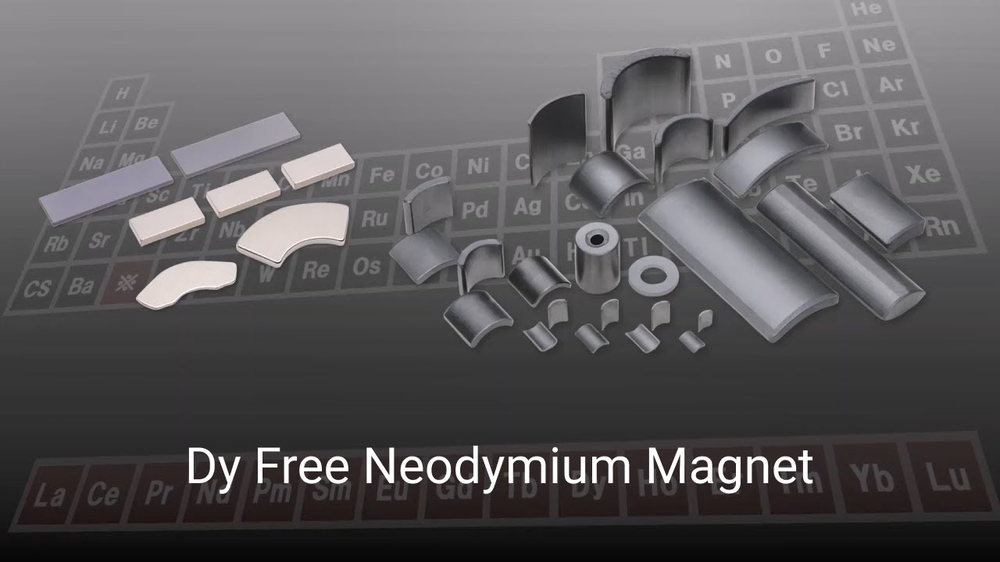
In 2012, TDK Corporation announced the development of dysprosium-free neodymium magnets, addressing the use of scarce rare-earth materials in high-performance permanent magnets. Dysprosium is commonly added to neodymium-iron-boron magnets to improve their resistance to demagnetization at elevated temperatures. TDK's development focused on maintaining useful magnetic performance without relying on this element. The technology drew on the company's expertise in magnetic materials, microstructure control, and precision manufacturing.
The development was relevant to applications such as electric motors, automotive systems, and industrial equipment, where strong magnets must operate under demanding temperature conditions. Reducing dysprosium content could help manufacturers limit exposure to fluctuations in rare-earth material supply and cost. TDK continued researching magnet compositions and production techniques to balance magnetic strength, heat resistance, and material efficiency. The 2012 development formed part of broader industry efforts to reduce dependence on heavy rare-earth elements while maintaining the performance required by compact, energy-efficient motors.
View details2009
In 2009, the Institute of Electrical and Electronics Engineers (IEEE) recognized the development of ferrite materials and their applications in Japan with an IEEE Milestone. The recognition concerned research by Yogoro Kato and Takeshi Takei at the Tokyo Institute of Technology during the 1930s and the subsequent industrial production of ferrite cores by TDK. Founded on 07/12/1935, TDK was established to commercialize these magnetic materials. Ferrites became useful in transformers, inductors, radio equipment, and other electronic devices because of their magnetic properties and relatively low electrical conductivity.
The IEEE Milestone program recognizes documented technological achievements that have contributed to electrical engineering and computing. The 2009 recognition connected TDK's manufacturing history with the earlier scientific work that enabled commercial ferrite products. TDK began mass-producing ferrite cores in 1937 and subsequently developed magnetic components for communications, consumer electronics, and industrial applications. Ferrite materials remain widely used in electronic circuits for magnetic energy storage, signal processing, and electromagnetic noise suppression.
View details2008
In 2008, TDK Corporation acquired a controlling interest in EPCOS AG, a German electronic components manufacturer headquartered in Munich. TDK announced its public takeover offer on 31/07/2008, valuing EPCOS at approximately €1.2 billion. EPCOS manufactured capacitors, inductors, electromagnetic compatibility components, sensors, and other electronic devices used in automotive, industrial, telecommunications, and consumer applications. The transaction expanded TDK's European operations and complemented its existing expertise in ferrite materials and passive electronic components.
The acquisition brought together TDK's materials and component technologies with EPCOS's product portfolio, manufacturing facilities, and international customer relationships. It strengthened the group's position in markets requiring components for power management, signal processing, and electromagnetic interference suppression. Following the acquisition, TDK integrated the businesses and established TDK-EPC Corporation in 2009 to coordinate passive components operations. The EPCOS name continued to be used for products within the expanded TDK Group.
View details2007
In 2007, TDK Corporation transferred its branded recording media sales business to Imation Corporation, a United States-based data storage company. The agreement covered the marketing and distribution of TDK-branded recording products, including audio and video tapes and optical storage media. Announced in April 2007 and completed later that year, the transaction allowed Imation to market recording media under the TDK brand through a licensing arrangement. It followed decades in which TDK's cassette tapes and other recording products had been sold in consumer markets worldwide.
The transfer changed TDK's involvement in consumer recording media while allowing the TDK name to remain on products distributed by Imation. It took place as digital storage technologies and changing consumer habits reduced demand for traditional magnetic recording formats. TDK increasingly concentrated on electronic components, magnetic recording heads, rechargeable batteries, and power supply technologies. The transaction separated much of the company's consumer recording media marketing and sales activity from its broader materials and electronics operations.
View details2005
In 2005, TDK Corporation opened a history museum in Nikaho, Akita Prefecture, Japan, to preserve and present the company's technological development. The museum documents TDK's origins in 1935, when it was established to commercialize ferrite magnetic materials developed by Japanese researchers. Its exhibits cover the company's expansion into electronic components, magnetic recording media, and related technologies. Historical products, technical displays, and company records illustrate how TDK's materials research developed into a diversified electronics business.
The museum also connects TDK's corporate history with the Akita region, where the company established manufacturing operations and developed expertise in magnetic materials. Exhibits provide visitors with information about ferrite technology, recording products, and electronic components used in everyday devices. By presenting earlier inventions alongside later developments, the facility documents changes in electronics manufacturing and product design. The museum became part of TDK's activities to preserve its industrial heritage and explain its technologies to visitors.
View details2000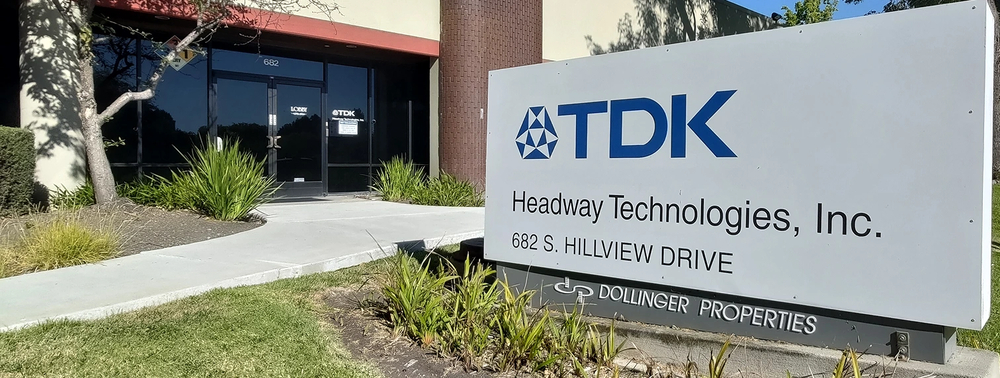
In 2000, TDK Corporation acquired Headway Technologies, a United States-based manufacturer of magnetic recording heads for hard disk drives. Headway Technologies, based in Milpitas, California, specialized in thin-film magnetic head technology used in computer data storage. The acquisition expanded TDK's capabilities in the design and manufacture of recording heads, complementing its existing magnetic materials expertise and its operations through SAE Magnetics. It also strengthened the company's technical and manufacturing presence in the United States.
The acquisition took place as hard disk manufacturers were increasing recording density to meet demand for greater computer storage capacity. Magnetic recording heads required increasingly precise thin-film structures and sensitive read elements to handle smaller data tracks. Bringing Headway Technologies into the TDK Group added specialized engineering and production capabilities to its magnetic head business. Headway subsequently became part of TDK's broader network supporting the development and manufacture of hard disk drive components.
View details1998
In 1998, TDK Corporation introduced giant magnetoresistive (GMR) heads for hard disk drives, advancing its magnetic recording technology. GMR heads use thin layers of magnetic and nonmagnetic materials whose electrical resistance changes in response to magnetic fields. This effect allows the read element to detect weaker magnetic signals from increasingly small regions of a disk. Compared with earlier magnetoresistive heads, GMR technology provided greater sensitivity, supporting higher recording densities and increased storage capacity in computer hard drives.
TDK's introduction of GMR heads followed its development of thin-film magnetic heads in 1987 and magnetoresistive heads in 1994. The company applied its expertise in magnetic materials, precision thin-film processing, and recording head manufacturing to the new technology. As hard disk manufacturers sought to store more information on each disk platter, improved read-head sensitivity became essential. GMR technology was subsequently adopted across the hard disk industry, contributing to continued increases in storage capacity during the late 1990s and early 2000s.
View details1994
In 1994, TDK Corporation introduced magnetoresistive (MR) recording heads for hard disk drives, extending its work in magnetic data storage technology. Magnetoresistive heads detect recorded information through changes in electrical resistance caused by magnetic fields on a disk's surface. This sensing method offers greater sensitivity than conventional inductive read heads, allowing information to be retrieved from smaller magnetic regions. The technology supported higher recording densities as computer manufacturers sought to increase hard disk storage capacity.
The introduction built on TDK's earlier development of thin-film magnetic heads and its magnetic head operations, including SAE Magnetics. During the 1990s, hard disk manufacturers were reducing the dimensions of recorded data tracks while improving read accuracy and storage capacity. MR technology helped address these requirements by separating sensitive magnetic reading functions from the inductive writing process. TDK continued developing magnetic head designs and manufacturing methods as hard disk drives advanced toward higher-capacity storage systems.
View details1992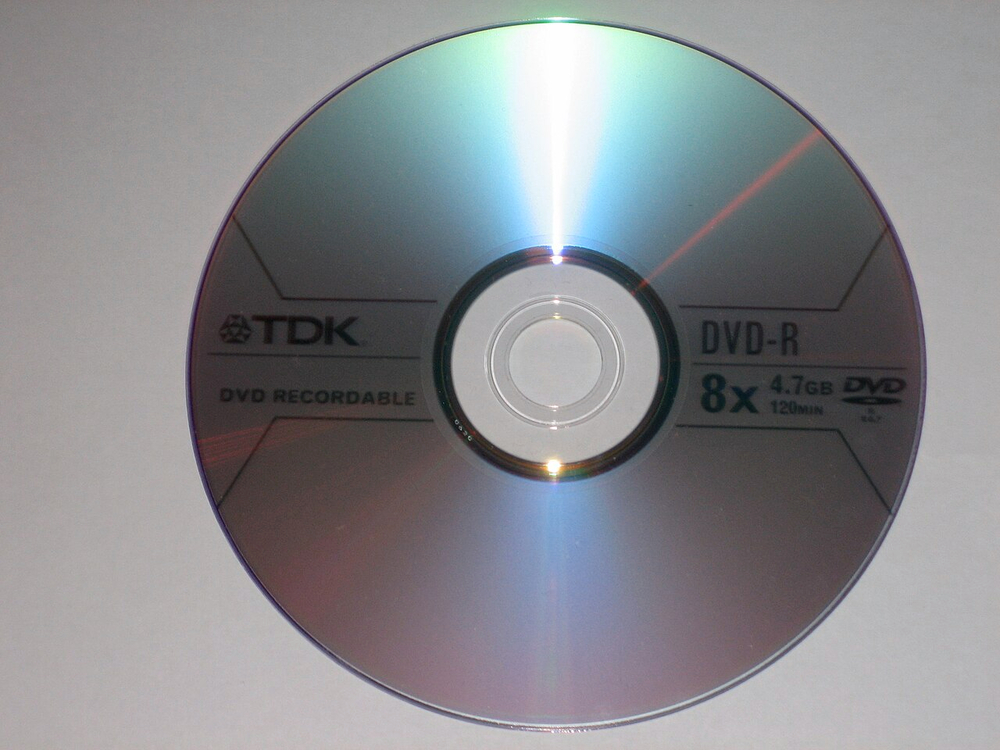
In 1992, TDK Corporation introduced recordable compact discs (CD-R), expanding its recording media business from magnetic tapes into optical digital storage. CD-R technology allowed users to write digital information onto a disc using a compatible laser-based recorder. Unlike conventional pressed compact discs, which were manufactured with prerecorded content, CD-R discs contained a recording layer that could be permanently altered during writing. A standard 12-centimeter CD-R typically offered approximately 650 megabytes of storage, although capacities varied by disc specification.
TDK's entry into the CD-R market built on its experience manufacturing audio cassettes, video tapes, and other recording media. Optical discs provided a different method of storing information, using laser technology rather than magnetic recording. During the 1990s, CD-R products were used for computer data storage, software distribution, document archiving, and audio recording. TDK subsequently expanded its optical media offerings as personal computers and compatible disc recorders became more widely available, adding digital recording products to its established magnetic media portfolio.
View details1990
In 1990, TDK Corporation completed its Technical Center in Ichikawa, Chiba Prefecture, Japan, expanding the company's research and development infrastructure. The facility provided a dedicated location for technical activities supporting TDK's electronic components, magnetic materials, and related technologies. By this period, the company had diversified from its original ferrite business into ceramic capacitors, inductors, magnetic recording heads, recording media, and power supply products. The new center formed part of TDK's investment in developing materials and components for increasingly sophisticated electronic equipment.
The Ichikawa Technical Center supported research, product development, and engineering activities within TDK's Japanese operations. Such work involved improving material properties, component performance, manufacturing methods, and product reliability. Its completion came as demand grew for smaller electronic components and higher-capacity computer storage technologies. The center became part of TDK's broader research and development network, supporting the company's continued work in electronic materials and devices.
View details1987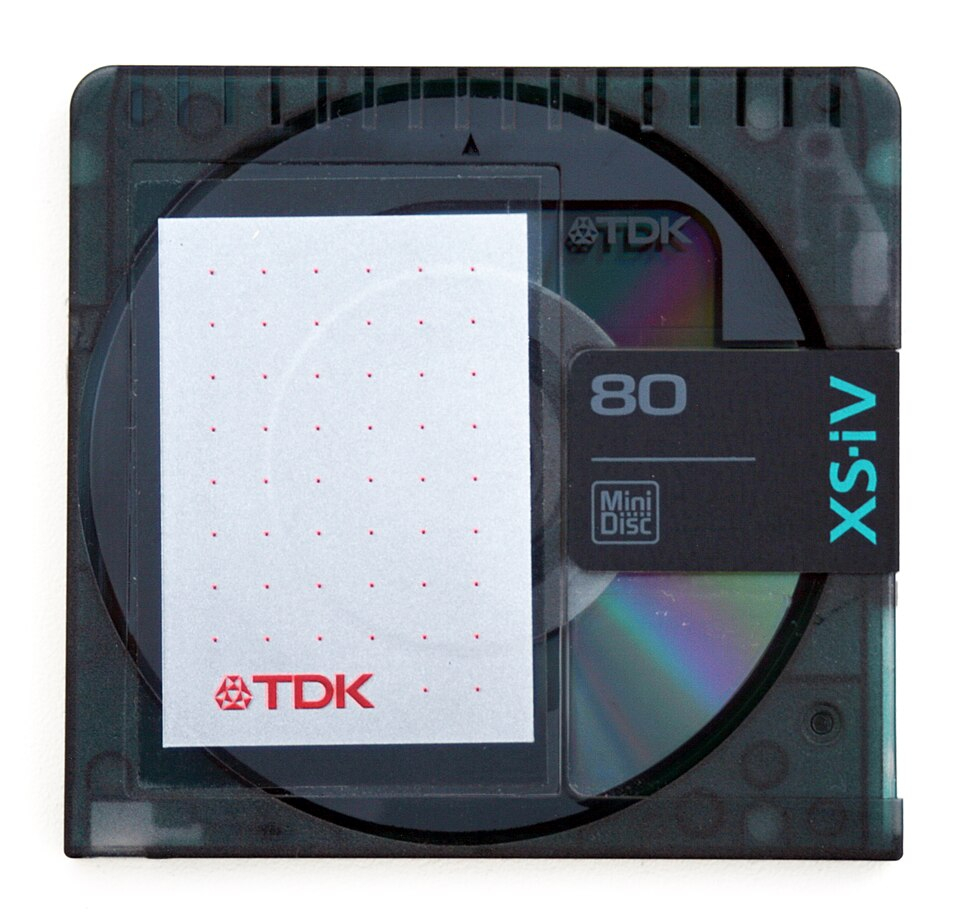
In 1987, TDK Corporation introduced thin-film magnetic heads for computer hard disk drives, advancing its magnetic recording technology. Unlike conventional magnetic heads assembled from bulk magnetic materials, thin-film heads use precisely deposited layers of magnetic and conductive materials to create miniature recording structures. These manufacturing techniques allow tighter control over head dimensions and magnetic characteristics, supporting the recording and retrieval of data from increasingly narrow tracks on magnetic disks.
The introduction built on TDK's expertise in ferrite materials and magnetic recording components, as well as its expansion into the magnetic head business through SAE Magnetics in 1986. During the 1980s, hard disk manufacturers were working to increase storage capacity without proportionally increasing drive size. Thin-film head technology supported this development by enabling more precise magnetic recording at higher data densities. TDK continued developing recording head technologies as hard disk drives became widely used in personal computers, workstations, and other data storage systems.
View details1986
In 1986, TDK Corporation expanded its magnetic recording head business by bringing Hong Kong-based SAE Magnetics into the TDK Group. SAE Magnetics specialized in magnetic heads used to read and write data on computer storage media, particularly hard disk drives. The addition complemented TDK's existing expertise in ferrite materials, magnetic components, and recording technology. As computer manufacturers increased the storage capacity of hard disk drives, recording heads required increasingly precise magnetic performance and manufacturing processes.
SAE Magnetics provided TDK with additional capabilities in magnetic head production and access to the expanding computer data storage market. Unlike the company's consumer audio and video tapes, hard disk drive heads served manufacturers of computer storage equipment. The business became part of TDK's broader magnetic recording operations, which continued developing as hard disk technology advanced. SAE Magnetics subsequently operated as a TDK Group company, contributing to the group's production of recording heads and related storage technologies.
View details1983
In 1983, Tokyo Denki Kagaku Kogyo K.K. officially changed its corporate name to TDK Corporation, adopting the shorter name already associated with its products and international business. The company had been founded in Tokyo on 07/12/1935 to commercialize ferrite magnetic materials developed in Japan. The initials TDK originated from its Japanese corporate name, Tokyo Denki Kagaku, meaning Tokyo Electric Chemical. By 1983, the company had expanded beyond ferrite cores into ceramic capacitors, inductors, magnetic recording media, and power supply technologies.
The name change aligned the company's legal identity with the TDK brand used in international markets. Its audio and video cassette products were sold under the TDK name, while its electronic components served manufacturers across multiple industries. The company had also expanded overseas and listed its shares on the New York Stock Exchange in 1982. Adopting TDK Corporation as its official name provided a consistent corporate identity for its Japanese operations, international subsidiaries, products, and investor communications.
View details1982
In 1982, TDK Corporation listed its shares on the New York Stock Exchange (NYSE), expanding its presence in international financial markets. Founded in Tokyo in 1935 as Tokyo Denki Kagaku Kogyo K.K., the company had already been listed on the Tokyo Stock Exchange since 1961. By the early 1980s, TDK manufactured ferrite magnetic materials, ceramic capacitors, inductors, magnetic recording tapes, and other electronic components. The New York listing provided American investors with access to the Japanese electronics manufacturer through the United States securities market.
The listing reflected TDK's growing international operations and its involvement in global electronics and recording media markets. During this period, the company supplied components to electronics manufacturers while selling audio and video recording products to consumers in multiple countries. Trading on the NYSE increased its visibility among international investors and placed it within the regulatory and disclosure framework applicable to foreign companies listed in the United States. TDK subsequently continued expanding its manufacturing, research, and commercial activities worldwide.
View details