TDK Introduces Recordable CD-R Optical Discs for Digital Storage
Japan
3 min read
Updated By: History Editorial Network (HEN)
Published:
Updated:
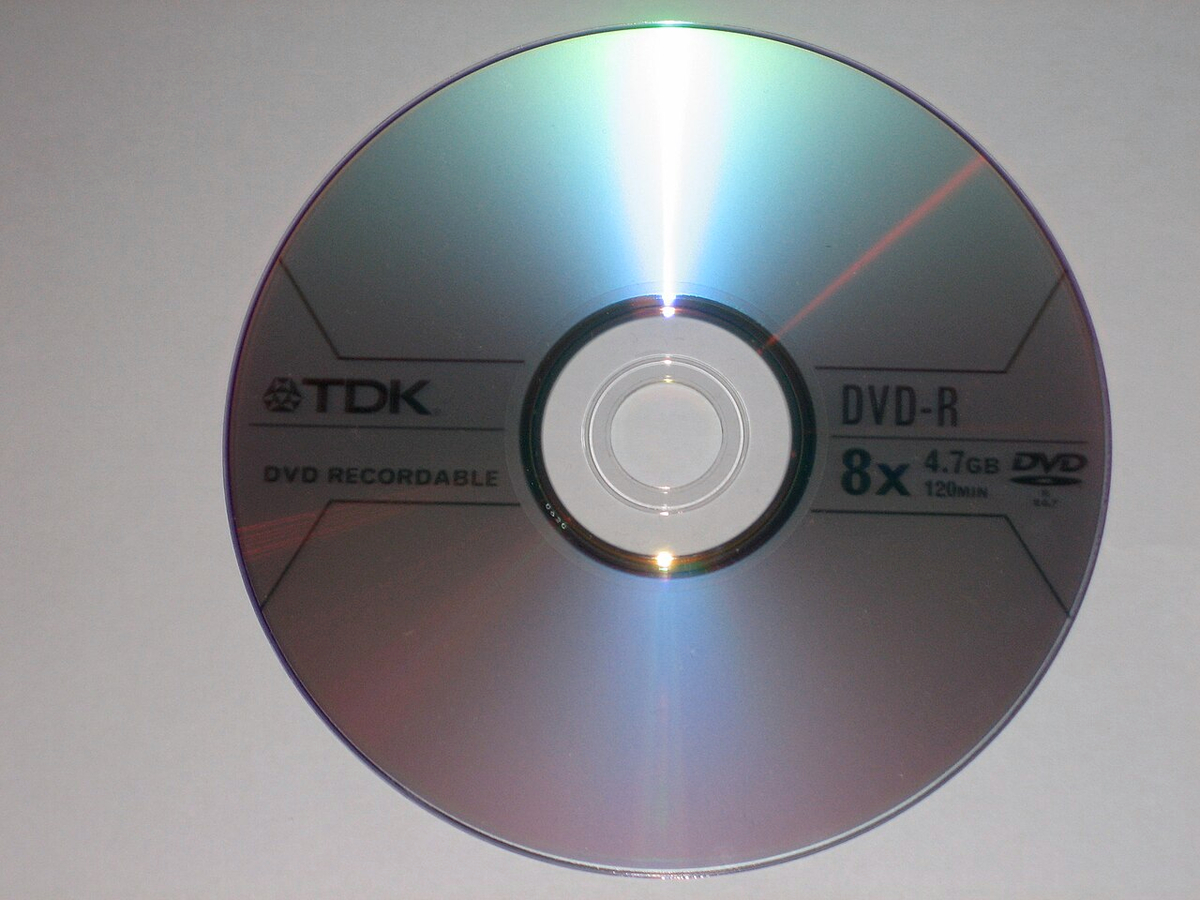
In 1992, TDK Corporation introduced recordable compact discs (CD-R), expanding its recording media business from magnetic tapes into optical digital storage. CD-R technology allowed users to write digital information onto a disc using a compatible laser-based recorder. Unlike conventional pressed compact discs, which were manufactured with prerecorded content, CD-R discs contained a recording layer that could be permanently altered during writing. A standard 12-centimeter CD-R typically offered approximately 650 megabytes of storage, although capacities varied by disc specification.
TDK's entry into the CD-R market built on its experience manufacturing audio cassettes, video tapes, and other recording media. Optical discs provided a different method of storing information, using laser technology rather than magnetic recording. During the 1990s, CD-R products were used for computer data storage, software distribution, document archiving, and audio recording. TDK subsequently expanded its optical media offerings as personal computers and compatible disc recorders became more widely available, adding digital recording products to its established magnetic media portfolio.
#TDKCorporation
#CDR
#OpticalDisc
#DigitalStorage
Primary Reference
TDK

Explore the Life Moments of
 AI Twin