
TDK Corporation

Multinational Electronics Corporation
Related Lives

The Pentagon
The Heart of American Military Power

Apple Inc.
Global Leader in Technology

Gulf Cooperation Council
Regional Intergovernmental Organization

Microsoft
Technology company

Cadbury
Chocolate That Melts Hearts

United Nations
International Peace and Security

Shell
Oil industry company

NATO
North Atlantic Treaty Organization

1980
In 1980, TDK Corporation introduced multilayer chip inductors, expanding its range of compact electronic components. The development drew on the company's expertise in ferrite magnetic materials and multilayer ceramic manufacturing. Multilayer chip inductors contain conductive coil patterns embedded within stacked insulating or magnetic layers, creating an inductor in a small, surface-mountable package. These components help manage electrical signals, filter unwanted frequencies, and reduce electromagnetic interference in electronic circuits.
TDK's introduction of multilayer chip inductors supported the increasing miniaturization of electronic equipment during the 1980s. Their compact construction allowed manufacturers to place magnetic components on densely populated printed circuit boards, reducing the space required compared with many conventional wire-wound designs. The technology became relevant to portable radios, telecommunications equipment, computers, and other electronic products. TDK continued developing multilayer manufacturing processes and magnetic materials to improve component size, electrical performance, and suitability for automated assembly.
View details1978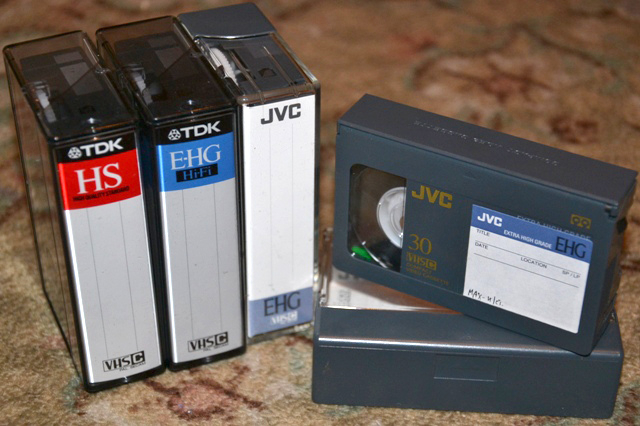
In 1978, TDK, then known as Tokyo Denki Kagaku Kogyo K.K., introduced magnetic video cassette tapes for the VHS and Betamax formats, expanding its recording media business into home video entertainment. VHS, developed by JVC, had been introduced in Japan in 1976, while Sony's Betamax format entered the market in 1975. Both systems allowed consumers to record television programs and play prerecorded video content using videocassette recorders. TDK applied its experience in magnetic tape coatings, recording materials, and cassette manufacturing to produce tapes compatible with the competing formats.
The launch broadened TDK's consumer recording media portfolio beyond audio cassettes, which had become an established part of its business during the 1960s and 1970s. Video recording required magnetic tapes capable of storing more complex signals while maintaining consistent playback quality and durability. TDK subsequently developed additional video tape products as home videocassette recorders became more widely
View details1974
In 1974, TDK, then operating as Tokyo Denki Kagaku Kogyo K.K., introduced switching power supplies, expanding its business into electrical power conversion equipment. The development built on the company's experience with ferrite magnetic materials, transformers, and electronic components. Switching power supplies regulate electrical output by rapidly switching semiconductor devices on and off, using magnetic components and control circuits to convert electrical energy efficiently. Compared with conventional linear power supplies, switching designs can reduce energy losses, size, and weight, particularly in applications requiring compact power conversion equipment.
TDK's entry into switching power supplies broadened its product range beyond individual components to integrated power conversion systems. These products supported electronic equipment requiring stable voltage and efficient energy delivery, including industrial machinery, communications systems, and other electrical devices. The company continued developing power supply technologies as demand increased for smaller, more reliable, and energy-efficient electronics. Its power electronics activities later expanded through additional product development and acquisitions, contributing to TDK's presence in industrial and commercial power supply markets.
View details1971
In 1971, TDK, then known as Tokyo Denki Kagaku Kogyo K.K., introduced multilayer ceramic chip capacitors (MLCCs), expanding its electronic components business. The development built on the company's ceramic capacitor production, which began in 1951. MLCCs consist of alternating layers of ceramic dielectric material and internal metal electrodes, forming multiple capacitive layers within a single compact component. This structure allows relatively high capacitance in a small package, making the devices suitable for electronic circuits where space and reliability are important.
TDK's introduction of multilayer ceramic chip capacitors supported the growing use of smaller components in consumer electronics, communications equipment, and industrial devices. Compared with larger conventional capacitors, chip-style components could be mounted more efficiently on printed circuit boards and were compatible with increasingly automated electronics manufacturing. TDK continued developing MLCC materials, manufacturing processes, and component designs as electronic devices became more compact and complex. Multilayer ceramic capacitors subsequently became a widely used category of passive components across the global electronics industry.
View details1968
In 1968, TDK, then operating as Tokyo Denki Kagaku Kogyo K.K., introduced its SD (Super Dynamic) compact cassette, which the company identifies as the world's first cassette tape specifically designed for music recording. The product built on TDK's entry into compact cassette manufacturing in 1966 and its earlier experience with magnetic recording materials. Developed to improve sound reproduction, the SD cassette used magnetic tape engineered for better frequency response and recording performance than conventional general-purpose cassettes. Its introduction addressed growing consumer interest in recording music on compact cassette equipment.
The SD cassette became part of TDK's expanding range of audio recording products as compact cassettes gained popularity in Japan and international markets. Improvements in magnetic particles, tape coatings, and manufacturing consistency helped support higher-quality music recording. TDK subsequently introduced additional cassette formulations and product lines for different recording requirements. The SD series contributed to the company's recognition among consumers of home audio equipment and helped establish magnetic recording media as an important part of its international business.
View details1966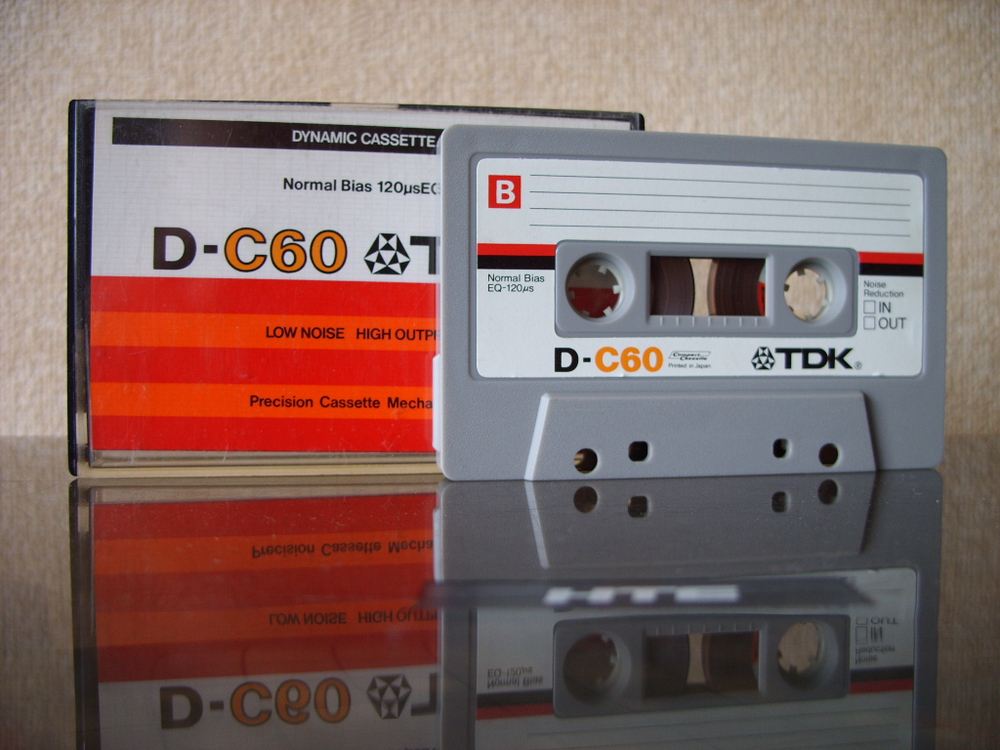
In 1966, TDK, then known as Tokyo Denki Kagaku Kogyo K.K., introduced Japan's first domestically produced compact audio cassette tape. The launch expanded the company's magnetic recording business, which had begun with Synchro magnetic tape in 1953. The compact cassette format had been developed by Philips and introduced in 1963, offering a smaller and more convenient alternative to reel-to-reel recording. TDK's new cassette used magnetic tape enclosed in a protective plastic cartridge, allowing users to record and play back audio without manually threading tape through a recorder.
TDK's entry into the cassette market drew on its expertise in magnetic materials, tape coating, and recording media manufacturing. As compact cassette recorders became more widely available, the format gained popularity for personal music listening, voice recording, and portable audio equipment. TDK subsequently expanded its cassette range with improved magnetic formulations and recording performance. Its cassette products became an internationally recognized part of the company's consumer electronics business during the following decades.
View details1961
In 1961, Tokyo Denki Kagaku Kogyo K.K., now known as TDK Corporation, listed its shares on the First Section of the Tokyo Stock Exchange in Japan. Founded in 1935 by Kenzo Saito to commercialize ferrite magnetic materials, the company had expanded into ceramic capacitors, magnetic recording tape, and permanent magnets. Its stock exchange listing came during a period of industrial growth in Japan, when electronics manufacturers were increasing production to meet domestic and international demand.
The First Section of the Tokyo Stock Exchange was historically associated with established companies meeting the exchange's listing requirements. TDK's listing provided a public market for its shares and expanded its access to equity investors. The company continued developing its electronic components and magnetic materials businesses, while its overseas sales operations supported international expansion. The listing formed part of TDK's development from a specialist magnetic materials manufacturer into a publicly traded electronics company.
View details1960
In 1960, TDK Corporation, then operating as Tokyo Denki Kagaku Kogyo K.K., introduced barium ferrite magnets, expanding its range of magnetic materials beyond the soft ferrites used in electronic components. Barium ferrite is a ceramic magnetic material composed primarily of iron oxide and barium compounds. Unlike soft ferrites, which can be magnetized and demagnetized relatively easily, barium ferrite retains its magnetization and is suitable for permanent-magnet applications. Its resistance to corrosion and relatively low production cost made it useful for manufacturing magnetic components.
The introduction of barium ferrite magnets allowed TDK to serve a wider range of industrial and electronic applications, including electric motors, loudspeakers, and magnetic assemblies. The company drew on its existing expertise in ferrite chemistry, ceramic processing, and magnetic materials manufacturing. Permanent magnets became another area of its materials business, complementing ferrite cores, ceramic capacitors, and magnetic recording products. TDK subsequently expanded its magnet technologies to address changing requirements in consumer electronics, automotive equipment, and industrial machinery.
View details1959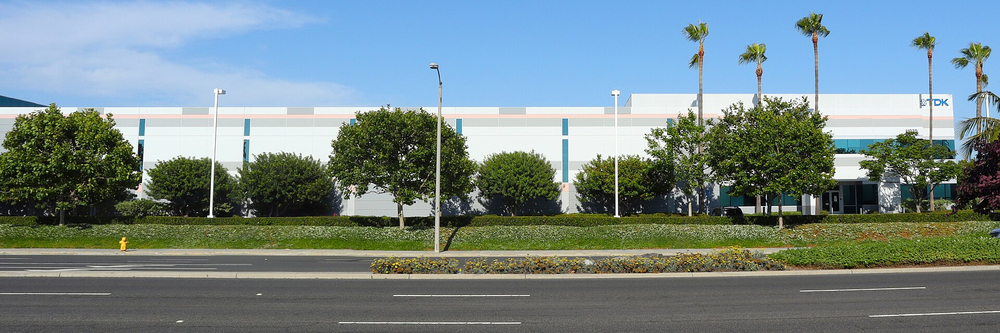
In 1959, Tokyo Denki Kagaku Kogyo K.K., now known as TDK Corporation, established its first overseas office in Los Angeles, California, United States. Founded in Tokyo in 1935 by Kenzo Saito, TDK had developed its business around ferrite magnetic materials, ceramic capacitors, and magnetic recording tape. The Los Angeles office marked the company's initial step toward establishing a direct international business presence, allowing it to develop relationships with customers and distributors outside Japan.
The expansion came during a period of increasing international demand for electronic components and recording technologies. An office in the United States provided TDK with a local base for sales activities, market research, and communication with American electronics manufacturers. The company subsequently expanded its international operations through additional offices, manufacturing facilities, and subsidiaries. Its overseas development supported the distribution of ferrite products, capacitors, magnetic recording media, and other electronic components across global markets.
View details1953
In 1953, Tokyo Denki Kagaku Kogyo K.K., now known as TDK Corporation, introduced its Synchro Tape brand of magnetic recording tape in Japan. The launch marked the company's entry into the magnetic recording media industry, building on its experience with ferrite materials and magnetic technologies. Synchro Tape was designed for reel-to-reel audio recording equipment, which stored sound by magnetizing particles on a flexible tape surface. The product allowed recorded audio to be played back, erased, and recorded again, supporting applications in broadcasting, professional audio, and personal sound recording.
The introduction of Synchro Tape expanded TDK's operations beyond electronic components such as ferrite cores and ceramic capacitors. Magnetic tape manufacturing required expertise in magnetic particles, coating processes, and consistent material performance. These capabilities became important as demand for audio recording equipment increased during the following decades. TDK subsequently developed additional recording media products, including compact cassette tapes, which became a widely recognized part of its consumer electronics business.
View details1951
In 1951, Tokyo Denki Kagaku Kogyo K.K., now known as TDK Corporation, began mass production of ceramic capacitors, expanding its electronic component manufacturing beyond ferrite magnetic materials. Founded in 1935 by Kenzo Saito, the company had previously established its business through ferrite cores used in radio and communication equipment. Ceramic capacitors use insulating ceramic materials between conductive electrodes to store and release electrical energy. They are commonly used in electronic circuits for filtering, signal coupling, and maintaining stable electrical performance.
The introduction of ceramic capacitor production broadened TDK's product portfolio as demand for electronic components increased during Japan's postwar industrial recovery. Ceramic capacitors offered compact dimensions, reliability, and suitability for large-scale manufacturing. Their production gave TDK experience in ceramic materials and component fabrication beyond its original magnetic applications. Over subsequent decades, the company developed increasingly compact and sophisticated capacitor technologies, including multilayer ceramic capacitors used in consumer electronics, telecommunications equipment, automotive systems, and industrial devices.
View details1937
In 1937, Tokyo Denki Kagaku Kogyo K.K., now known as TDK Corporation, began mass production of ferrite cores in Japan, two years after its establishment by Kenzo Saito in Tokyo. The company commercialized ferrite technology developed through the research of Yogoro Kato and Takeshi Takei at the Tokyo Institute of Technology. Ferrite cores are magnetic ceramic components made primarily from iron oxides combined with other metallic elements. Their magnetic properties and high electrical resistance made them useful in transformers, inductors, and other electrical circuits.
TDK's production of ferrite cores supported the development of electronic components used in radio receivers and telecommunications equipment. Compared with many metallic magnetic materials, ferrites reduced energy losses caused by eddy currents at higher frequencies. This made them particularly suitable for applications involving alternating electrical signals. The manufacturing initiative established ferrite products as a central part of TDK's early business and provided technical experience that supported its subsequent expansion into other electronic materials and components.
View details1935
On 07/12/1935, Kenzo Saito established Tokyo Denki Kagaku Kogyo K.K., later known as TDK Corporation, in Tokyo, Japan. The company was founded to commercialize ferrite, a magnetic ceramic material developed through research by Japanese scientists Yogoro Kato and Takeshi Takei at the Tokyo Institute of Technology. Their work demonstrated the potential of ferrite materials for electrical and electronic applications, particularly magnetic components used in communication equipment. The company's original name reflected its focus on electrical chemistry and the industrial development of advanced materials.
TDK began manufacturing ferrite-based products, including magnetic cores for electronic components. Ferrites offered useful magnetic properties and high electrical resistance, making them suitable for applications involving high-frequency electrical signals. The company subsequently expanded into capacitors, magnetic recording products, sensors, and other electronic components. Its early specialization in ferrite technology established the technical foundation for its later development as an international manufacturer of electronic materials and devices.
View details