Building Central Line Railway to enhance transportation and trade connections.
Tanzania
Economic Development
Transportation Network
5 min read
Updated By: History Editorial Network (HEN)
Published:
The construction of the Central Line in Tanzania marked a pivotal development in the enhancement of transportation and trade. The initiative originated as part of efforts to build a more integrated transport network within the region, one that would facilitate the economic ambitions of the ruling colonial powers. The project aimed at establishing a more efficient route for the movement of goods and people from the interior parts of the country to the coast.
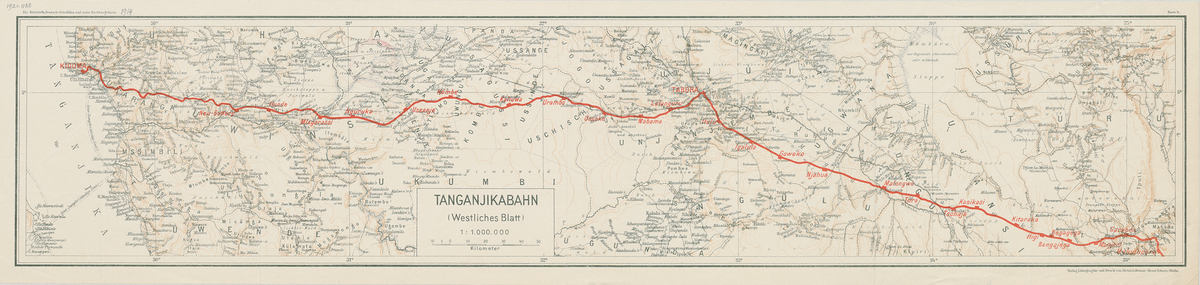
Constructing the Central Line involved a massive workforce, comprising local labor under often strenuous conditions. The railway spanned from the port city of Dar es Salaam, traversing across the country to the inland regions, eventually reaching Kigoma near Lake Tanganyika. Its construction required significant resources and engineering feats, including the negotiation of challenging terrains such as the Rift Valley and numerous river crossings.
The railway proved crucial in boosting the agricultural and mining sectors of Tanzania by enabling quicker and more reliable transportation of commodities to markets. Crops such as cotton, coffee, and sisal could be transported more swiftly, enhancing their viability and competitiveness. Moreover, the line opened up access to mineral-rich areas, supporting the export of valuable resources.
The establishment of the Central Line also led to a shift in population dynamics. Urban centers like Tabora and Dodoma experienced growth due to their strategic positions along the railway. These cities became hubs of commercial activities, drawing in traders, merchants, and other economic players. The advent of the railway also impacted local societies, contributing to the spread of different cultural influences and innovations that accompanied increased mobility and interaction.
While the Central Line primarily served the economic interests of the colonial administration, it inadvertently laid foundational infrastructure that would continue to serve Tanzania post-independence. It remains a vital part of the national railway network, contributing to the nation's ongoing socio-economic development.
#TransportationNetwork #EconomicDevelopment #RailwayHistory #TanzanianTrade #ColonialImpact #MoofLife

Explore the Life Moments of
 AI Twin