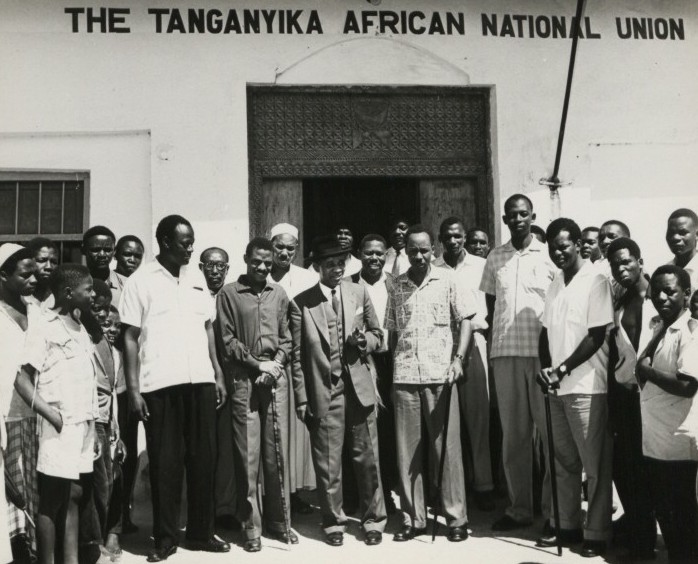
Birth of the TANU party in East Africa.
Tanzania
Political
6 min read
Updated By: History Editorial Network (HEN)
Published:
The emergence of the Tanganyika African National Union (TANU) marked a pivotal point in Tanzania's history. Formed to unify the myriad of African voices in Tanganyika, it was a stride toward self-governance and independence from colonial rule.
Before TANU's advent, Tanganyika was under British administration, having transitioned from German colonial control following World War I. The African populace faced numerous socio-economic challenges, from land disenfranchisement to limited political representation. Efforts to establish a broader, organized resistance resulted in the creation of the African Association in the 1920s. However, as pressures for greater autonomy grew, it became clear a more cohesive political entity was needed.
Julius Nyerere, an influential figure in Tanganyika's political landscape, spearheaded the formation of TANU. He believed in unifying the African masses to voice their concerns and aspirations effectively. TANU's objectives included advocating for civil rights, pushing for educational opportunities, and ending racial segregation entrenched by colonial policies.
The impact of TANU was swift and tangible. It became the dominant political force in Tanganyika, rallying rural and urban populations alike. TANU's influence was evident during the Legislative Council elections, where it secured significant representation. This political pressure culminated in negotiations with the British authorities for self-rule.
TANU's approach was largely non-violent, employing dialogue, public rallies, and negotiations to achieve its goals. This strategy garnered international support and positioned Tanganyika as a model for peaceful transition in the decolonizing world. By functioning as a unifying body, TANU played a crucial role in fostering a sense of national identity and solidarity among Tanganyikans.
Nyerere's leadership within TANU was central to its ethos and vision. His education background and eloquent articulations provided a strategic advantage in mobilizing support and articulating the party’s demands. Under his guidance, TANU set the foundation for what would become a progressive, independent nation.
The formation of TANU laid the groundwork for Tanganyika's eventual independence, transitioning from colonial control to self-governance. Its legacy endures, evident in modern Tanzania's political and social structures, centered on unity and equitable progress. TANU's creation was a cornerstone in the journey toward nationhood.
#MoofLife #TanzaniaHistory #IndependenceMovement #UnificationEfforts #PoliticalChange

Explore the Life Moments of
 AI Twin