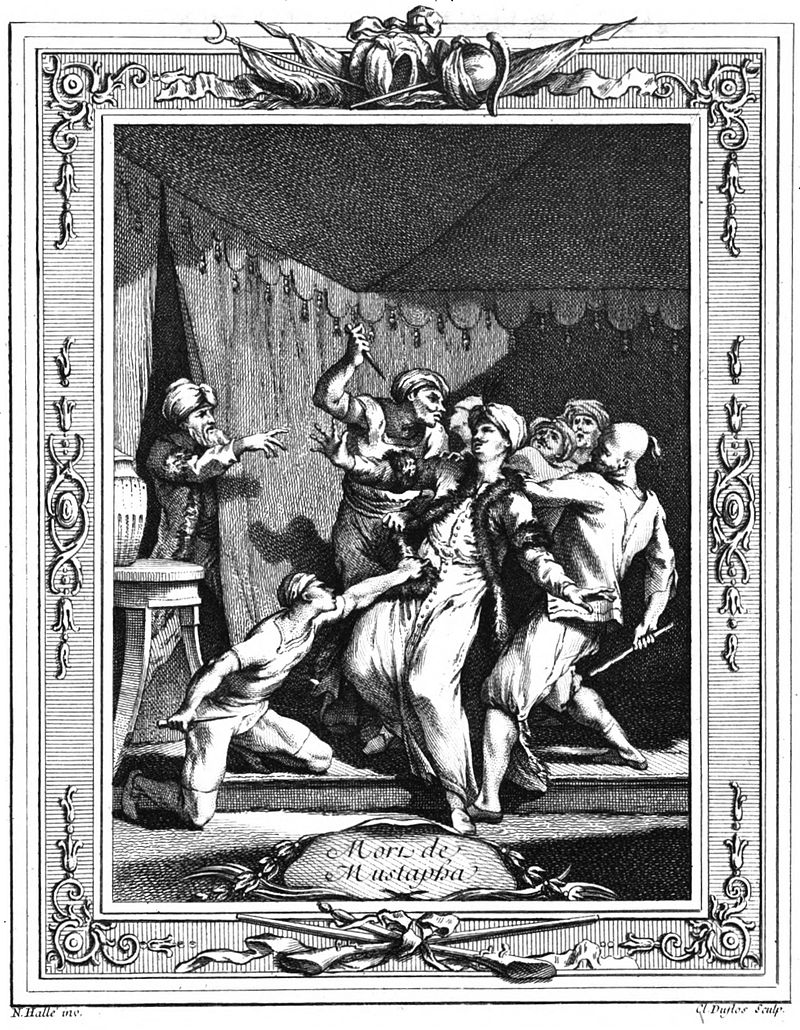
"Execution of Şehzade Mustafa: Consequences of Power Struggle in Suleiman's Reign"
Turkey

Political
4 min read
Updated By: History Editorial Network (HEN)
Published:
During Suleiman the Magnificent's Persian campaign, a consequential event unfolded in the Ereğli valley. Şehzade Mustafa, eldest son of Suleiman and a popular figure among the Janissaries and the public, was summoned to his father's tent. Mustafa's growing influence had incited suspicions and jealousy within the Ottoman court, particularly from his stepmother Hürrem Sultan and her ally, Grand Vizier Rüstem Pasha. They accused Mustafa of planning to overthrow Suleiman, creating an atmosphere of intrigue and distrust.
When Mustafa entered the tent, unarmed and unaware of his impending fate, he was met by Suleiman’s executioners. Despite his attempts to defend himself and his pleas for mercy, the executioners carried out the order. His death was a statement of authority from Suleiman, reaffirming his control over the empire. However, the execution had far-reaching consequences. It incited unrest among the Janissaries, who had seen in Mustafa a future Sultan capable of continuing the empire’s expansion.
Political dynamics within the palace shifted significantly. The execution solidified Hürrem Sultan’s influence and paved the way for her own sons, Selim and Bayezid, in the line of succession. It also sparked debates and dissent within the Ottoman military and administrative ranks. Contemporary chroniclers and historians cite this event as a pivotal point in Suleiman’s rule, reflecting the inherent tensions and rivalries in dynastic successions.
#SuleimanTheMagnificent #OttomanHistory #LeadershipStruggles #Janissaries #PalaceIntrigue #OttomanEmpire #HistoricalEvents #MoofLife
Primary Reference
Why did Suleiman kill his sons? - Quora
Explore the Life Moments of
 AI Twin