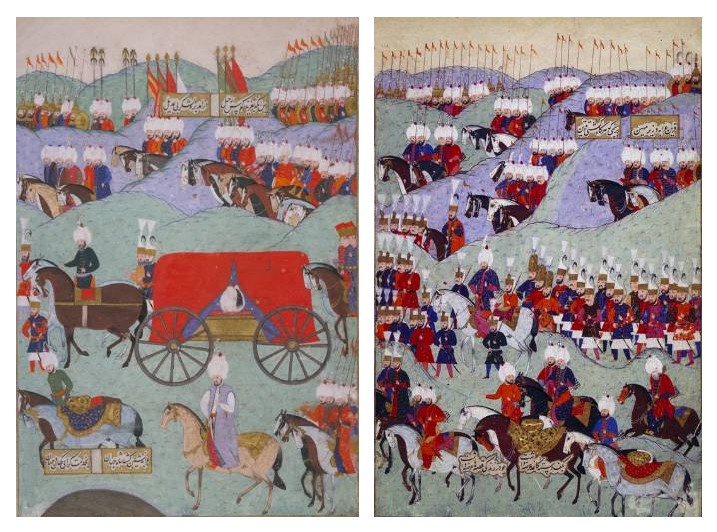
Sultan Suleiman's death at Siege of Szigetvár marks pivotal moment in Ottoman expansion.
Turkey

Political
4 min read
Updated By: History Editorial Network (HEN)
Published:
Sultan Suleiman the Magnificent, one of the longest-reigning Ottoman sultans, died during the siege of Szigetvár, Hungary, at the age of 71. His death marked a critical turning point in the Ottoman Empire's expansion in Europe.
Suleiman, known for his legal reforms and consolidation of Ottoman laws, had led the empire through numerous military campaigns, significantly expanding its territories. The siege of Szigetvár was part of his effort to secure the empire’s power in Central Europe. This fortress, defended by a coalition of Croatian and Hungarian forces under the command of Nikola IV Zrinski, had strategic importance for the control of the region.
The Ottoman army, renowned for its strength and tactical warfare, was well-prepared and equipped. However, the defenders' resilience and the fortress's robust defenses posed considerable challenges. Suleiman, although ill, insisted on leading his forces, demonstrating his commitment to his empire's military ambitions.
Suleiman's death during the siege was kept a secret by his Grand Vizier Sokollu Mehmet Pasha. This decision aimed to maintain troop morale and ensure continued command coherence. His death was finally disclosed after the fortress was captured by the Ottoman forces. The news of Suleiman's passing was a profound moment for the empire. It signaled an end to an era marked by military dominance, legal reforms, and expansive conquests.
The aftermath of Suleiman’s death saw his successor Selim II, often referred to as Selim the Sot, taking over. Selim II's reign marked a shift in the empire's dynamics, with less assertive military leadership and increasing internal challenges.
#MoofLife #SultanSuleiman #OttomanEmpire #MilitaryHistory #SiegeofSzigetvár #LeadershipTransition
Primary Reference
Know History - Suleyman I was born on April 27, 1495, Monday in ...
Explore the Life Moments of
 AI Twin