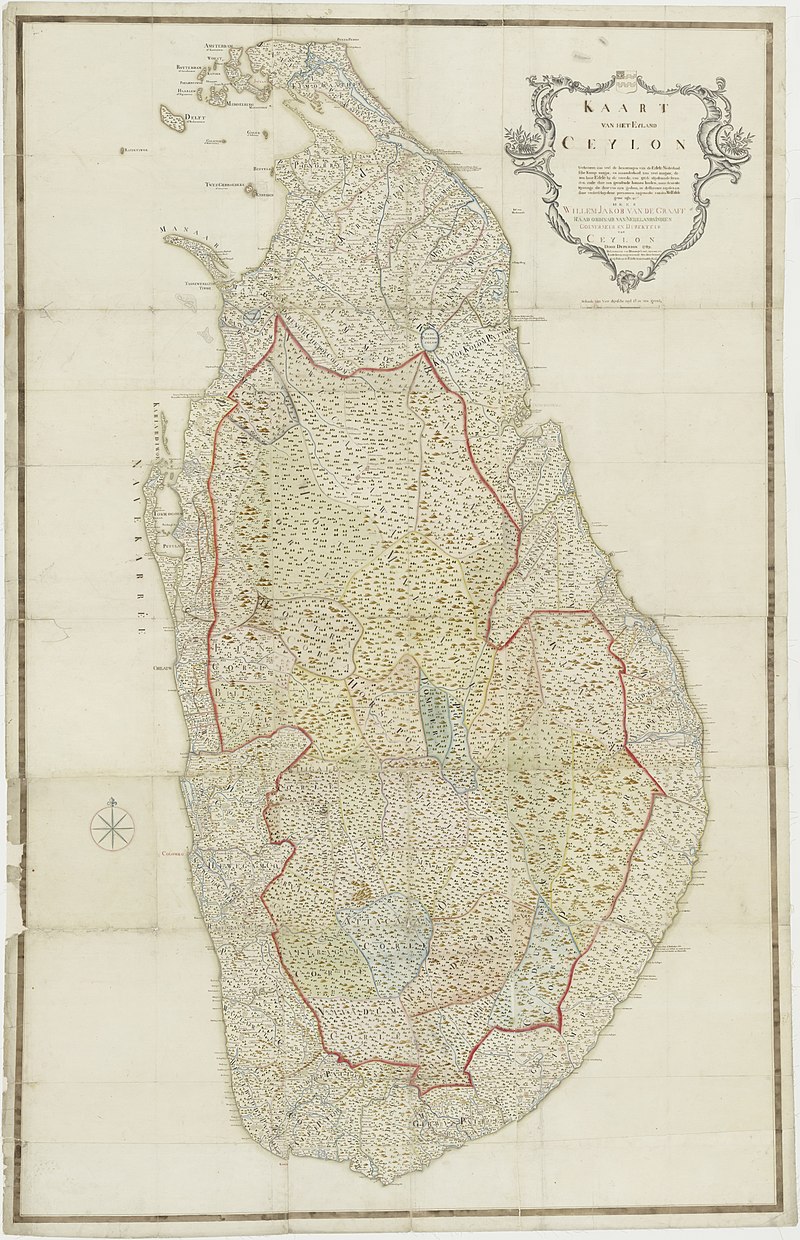
British invasion of Ceylon '1795'
Sri Lanka

Colonial Economic Impact
5 min read
Updated By: History Editorial Network (HEN)
Published:
The British invasion of Ceylon, a strategically significant island in the Indian Ocean, commenced as part of the broader conflict between European colonial powers vying for dominance in Asia. The Dutch had controlled Ceylon, leveraging its position for trade and resources, particularly cinnamon. However, as war progressed in Europe, the British sought to undercut Dutch influence and advance their own imperial interests.
The British East India Company initiated the military operation against the Dutch-held Ceylon with the strategic objective of capturing key ports and territories. British forces, well-coordinated and experienced from prior campaigns, launched an offensive targeting Colombo and other major Dutch settlements. The Dutch forces and local resistance, hindered by limited resources and waning morale, struggled to defend their positions.
The British invasion not only facilitated the transfer of power from one European colonial power to another, but it also marked a shift in the colonial landscape of Ceylon. The swift occupation by British forces led to the imposition of British administrative systems and economic policies, reshaping local governance and commerce. This event fundamentally altered the trajectory of the island’s development, embedding it further into the global network of British colonial trade and governance.
Statistics and records from the period highlight the significant shifts in trade patterns, with increased exploitation of local resources like tea and rubber under the British. The local population experienced changes in societal structures, influenced by British laws and practices. The implications of this invasion echoed through the economic, political, and social spheres, influencing the island's path for decades to come.
The British remained in control of Ceylon, later modern-day Sri Lanka, for an extended period. Their administration introduced infrastructural developments alongside systemic changes that would lay the groundwork for the future nation-state. This event in Ceylon’s history stands as a pivotal point, reflecting the broader currents of colonial expansion and conflict between European powers.
#ColonialHistory #BritishImperialism #CeylonHistory #MaritimeStrategy #EconomicImpact #SriLanka #MoofLife
Primary Reference
Invasion of Ceylon - Wikipedia

Explore the Life Moments of
 AI Twin