First spacecraft to impact a comet
Comet Tempel 1, Inner Solar System
Space Exploration
Astronomy
Comet Research
4 min read
Updated By: History Editorial Network (HEN)
Published:
Updated:
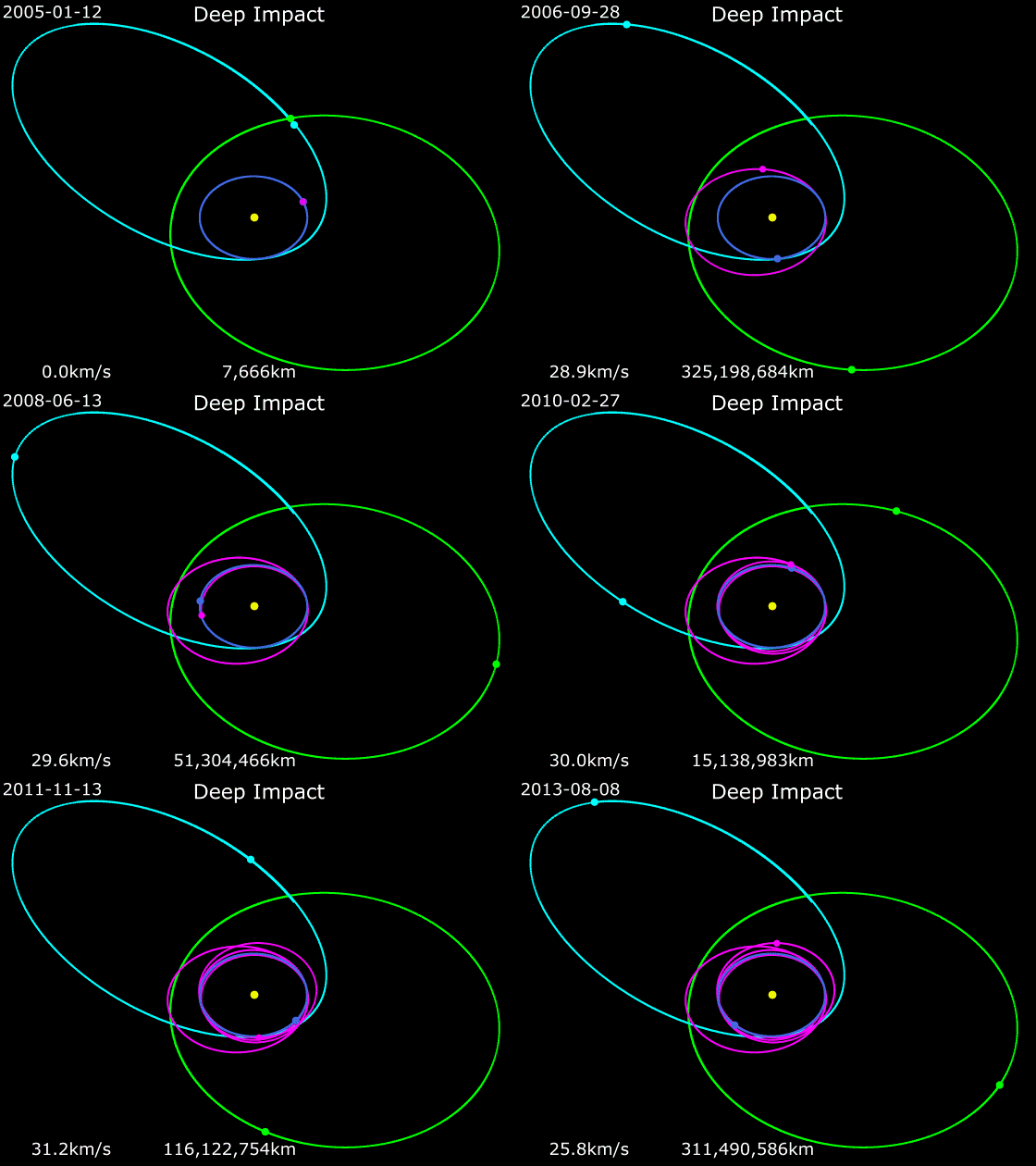
On 04/07/2005, NASA’s Deep Impact mission became the first spacecraft to intentionally collide with a comet when its impactor probe struck the nucleus of Comet Tempel 1. The copper impactor separated from the main spacecraft about 24 hours before encounter and guided itself toward the comet using onboard targeting systems. The collision occurred at a speed of approximately 37,000 kilometers per hour, creating a plume of dust and debris that expanded from the comet’s surface. The flyby spacecraft observed the impact and recorded images and scientific data during and after the event.
The purpose of the impact was to expose material beneath the comet’s surface, allowing scientists to study composition and structure. Instruments onboard the flyby spacecraft measured the ejecta cloud and analyzed the light reflected from dust and gas. Observations revealed fine powdery material and evidence of water ice and organic compounds within the comet. The brightness and size of the debris plume indicated that the comet’s surface layers were weaker and more porous than previously expected.
Deep Impact also coordinated observations with space based and ground based telescopes, including the Hubble Space Telescope and other observatories worldwide. These observations tracked the evolution of the ejecta cloud and measured changes in the comet’s activity following the collision. The data provided insight into comet formation, internal structure, and the composition of primitive solar system material.
The 04/07/2005 impact marked the first controlled experiment on a comet nucleus and demonstrated the feasibility of using kinetic impactors for planetary science investigations. The mission later continued as the EPOXI extended mission to observe additional cometary targets.
#mooflife
#MomentOfLife
#DeepImpact
#CometExploration
#NasaMissions
#Tempel1
#SpaceScience
Primary Reference
Tempel 1

Explore the Life Moments of
 AI Twin