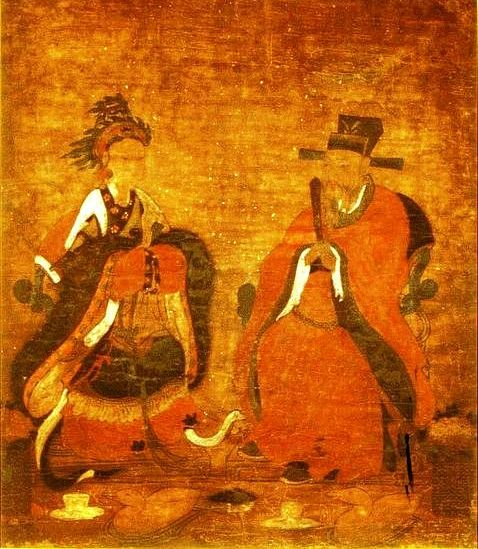
Historic Treaty with Mongol Empire
South Korea
Political
East Asian
4 min read
Updated By: History Editorial Network (HEN)
Published:
The Treaty of Mongol-Korea marked a significant diplomatic agreement between the Mongol Empire and the Goryeo Kingdom of Korea during the 13th century. Following the Mongol invasions of Korea, Goryeo recognized the supremacy of the Mongols, thereby establishing a vassal relationship.
Under the terms of the treaty, Goryeo agreed to provide troops and resources to the Mongol military campaigns. In return, the Mongols guaranteed protection and support to the Goryeo Kingdom. The treaty also facilitated cultural and economic exchanges between the two nations, leading to a period of increased trade and cooperation.
The impact of the Treaty of Mongol-Korea was profound, shaping the political landscape of the region for years to come. The Mongols exerted significant influence over Goryeo's foreign and domestic affairs, impacting the royal court and governance of the kingdom. This alliance also allowed the Mongols to use Goryeo as a strategic base for their further expansion into China and other territories.
Despite the dominance of the Mongols, the Goryeo Kingdom managed to preserve its distinct cultural identity and traditions throughout this period. The treaty paved the way for the eventual establishment of the Yuan Dynasty in China, further solidifying the Mongol influence in East Asia.
The Treaty of Mongol-Korea stands as a crucial moment in Korean history, highlighting the complex interplay between political power dynamics and cultural exchange in the region. It underscores the importance of diplomacy and negotiation in maintaining stability and cooperation among diverse nations.
#Diplomacy #MongolEmpire #GoryeoKingdom #EastAsianHistory

Explore the Life Moments of
 AI Twin