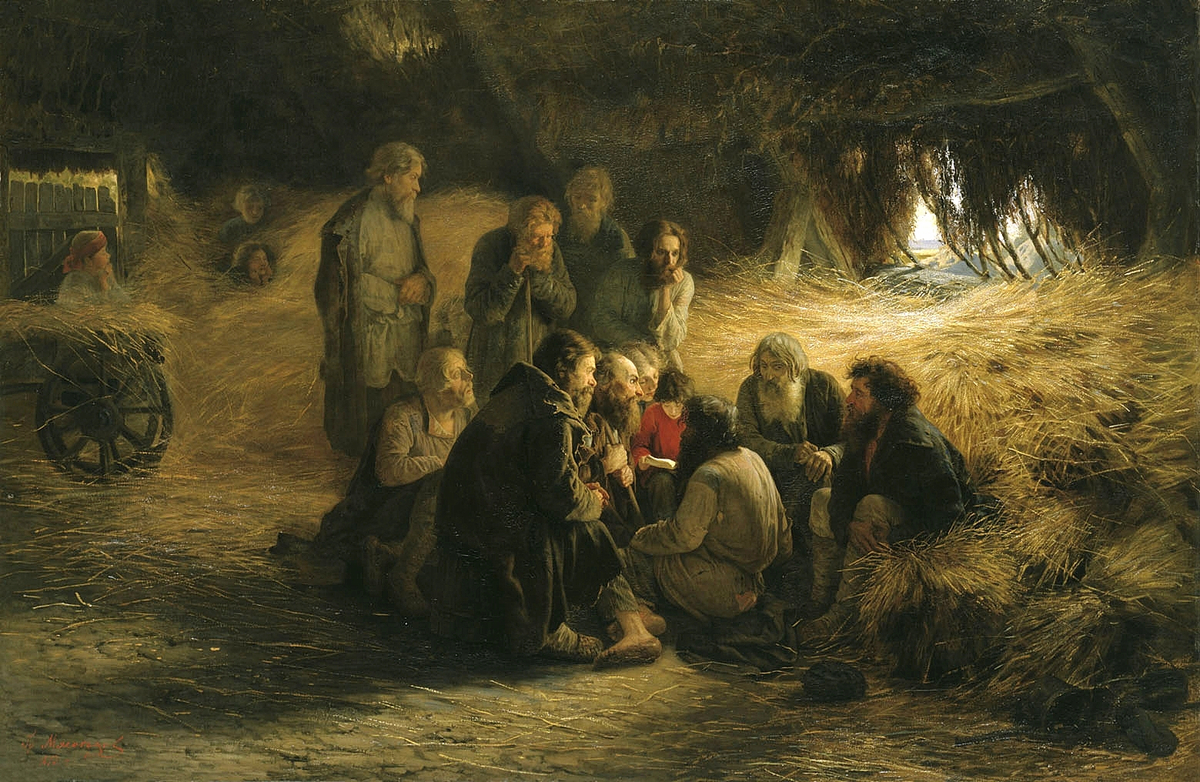
Emancipation of Serfs under Tsar Alexander II
Russia
Political
Social Reform
4 min read
Updated By: History Editorial Network (HEN)
Published:
During Tsar Alexander II's reign, Russia was undergoing significant social and political changes. One of the most transformative actions he took was the emancipation of the serfs. Before this event, serfs were essentially peasants bound to the land they worked on, with limited rights and freedoms. The move to abolish this system was propelled by a desire to modernize and stabilize the Russian economy and society.
The Emancipation Manifesto issued by Tsar Alexander II declared that over 20 million serfs would gain their freedom. However, the reality of the emancipation was complex. Serfs were granted personal freedoms, given the ability to own property, marry without their lord's permission, and seek employment elsewhere. In return, they had to pay for their freedom through redemption payments over a set number of years. This transition out of serfdom was not without challenges, as many serfs found themselves in difficult financial situations due to the redemption payments.
The impact of the emancipation was profound. It marked the end of an era in Russian history and paved the way for further reforms. The move towards a more modern and industrialized society was set in motion. It also led to a shift in the social structure of Russia, creating a new class of free peasants. Despite its limitations and challenges, the emancipation of the serfs was a crucial step towards modernization and progress in Russia.
The Emancipation of Serfs under Tsar Alexander II marked a turning point in Russian history, ushering in a new era of change and reform. It was a complex process that had a lasting impact on Russian society and economy. #RussianHistory #SocialReform #TsarAlexanderII

Explore the Life Moments of
 AI Twin