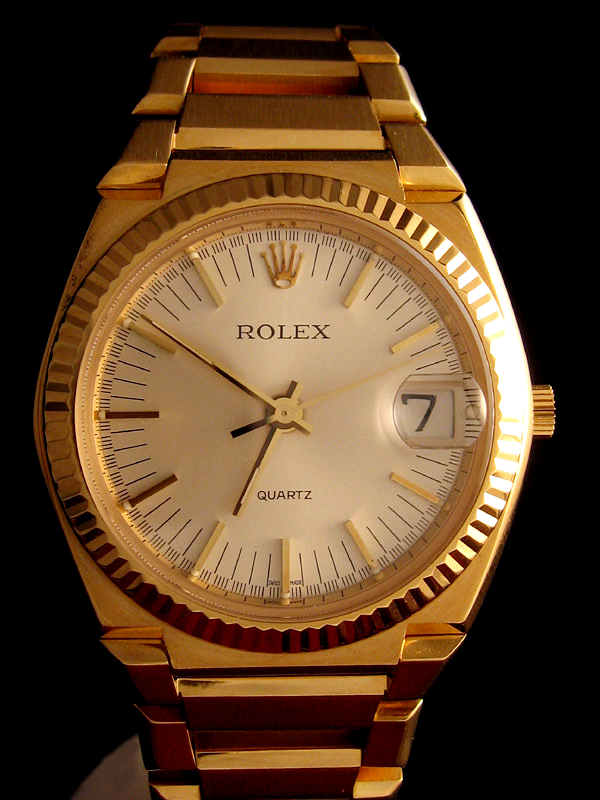
Rolex collaborates on Beta 21 quartz movement
United KIngdom
Watchmaking
Quartz Technology
Luxury Timepieces
4 min read
Updated By: History Editorial Network (HEN)
Published:
Updated:
Rolex's collaboration on the Beta 21 quartz movement marked a pivotal shift in the watchmaking industry. This initiative involved a consortium of 16 Swiss watch manufacturers, aiming to innovate and enhance the precision of timekeeping through quartz technology. The Beta 21 movement was a result of approximately five years of extensive research, design, and development. Rolex utilized this movement in its Rolex Quartz Date 5100 model, which was part of a broader trend among luxury watchmakers to adopt quartz technology, a significant departure from traditional mechanical movements. Other notable brands, such as Omega, also integrated the Beta 21 movement into their models, including the Omega Electroquartz, showcasing a collective effort to advance watch technology during this period.
The impact of the Beta 21 quartz movement extended beyond just Rolex and Omega; it represented a turning point in the watch industry, as quartz watches began to dominate the market due to their accuracy and lower production costs. Rolex further developed the technology, leading to the creation of the "clean-slate" 5035/5055 movement, which powered the Rolex Oysterquartz. This evolution not only solidified Rolex's position in the luxury watch segment but also highlighted the importance of innovation in maintaining competitiveness in a rapidly changing market. The collaboration on the Beta 21 movement is a testament to the adaptability of traditional watchmakers in the face of emerging technologies, ultimately shaping the future of horology.
#mooflife
#MomentOfLife
#Rolex
#Beta21
#QuartzMovement
#WatchIndustry
#SwissWatchManufacturers
Primary Reference
Beta 21

Explore the Life Moments of
 AI Twin