
Philips

Multinational Health Technology Company
About
#Philips
#Timeline
#MoofLife-Timeline
#PhilipsHistory
#Innovation
#HealthTechnology
#ConsumerElectronics
#MedicalTechnology
#DutchInnovation
#TechnologyHistory
#Healthcare
#GlobalBusiness
Life Classification
Health Technology Company
Life ID
OL3952306146709
Verified Name
philips
Life Type
Organization Life
Founder(s)
Gerard and Anton Philips
Date of Founding
1891-May-15
Founded In :
Eindhoven
Operating Status :
Operating
Life Editor(s)
History Editorial Network (HEN)
Life Privacy
Public
Subscription
Elite
Created On
2026-10-19
Updated On
2026-11-11
Profile Image
By Koninklijke Philips N.V. - Annual Report 2019, Public Domain, https://commons.wikimedia.org/w/index.php?curid=8910899
Cover Image
By Rosemoon - Own work, CC BY-SA 3.0, https://commons.wikimedia.org/w/index.php?curid=21569626
Connect
Related Lives

Mercedes-Benz
More Than a Drive

NATO
North Atlantic Treaty Organization

Ford Motor Company
Car manifacture

G7
Group of Seven

World Chess Championship
Battle of the Grandmasters

BBC
Public Broadcaster

Burberry
British luxury fashion house

Airbus
European Aerospace Corporation

2026
On May 15, 2026, Royal Philips celebrated its 135th anniversary, commemorating its remarkable transformation from a small electric light bulb manufacturer into one of the world's leading healthcare technology companies. Founded on May 15, 1891, by Frederik Philips and his son Gerard Philips in Eindhoven, Netherlands, the company began producing incandescent lamps before expanding into electronics, medical equipment, and consumer technology. To mark the anniversary, Philips highlighted its long history of innovation through a special retrospective published on May 13, 2026, by Philips Museum Director Freek Janssen. The celebration emphasized the company's enduring commitment to improving people's lives through meaningful technological advancements. By 2026, Philips had established itself as a global healthcare technology enterprise specializing in diagnostic imaging, image-guided therapy, patient monitoring, healthcare informatics, and personal health solutions.
The 135th anniversary represented a significant milestone in Philips' industrial heritage, recognizing more than a century of scientific discoveries, technological achievements, and international growth. Major innovations included the Metalix X-ray tube in 1924, the Philishave electric shaver in 1939, the compact audio cassette in 1963, and the Compact Disc developed with Sony during the early 1980s. Over subsequent decades, Philips progressively transformed its business portfolio, separating traditional consumer electronics and lighting operations while expanding its healthcare technology capabilities through research, strategic partnerships, and acquisitions. Under Chief Executive Officer Roy Jakobs, the company continued investing in artificial intelligence, advanced medical imaging, minimally invasive treatment systems, and connected healthcare platforms. Philips' anniversary highlighted its ambition to improve the lives of 2.5 billion people annually by 2030, reflecting its commitment to making healthcare more accessible, efficient, and personalized. The 135-year milestone celebrated Philips' journey from pioneering electric lighting to developing advanced technologies intended to shape the future of healthcare.
View detailsOn April 16, 2026, Royal Philips announced that its advanced Spectral CT Verida system had received 510(k) clearance from the U.S. Food and Drug Administration (FDA), marking an important regulatory milestone in the company's development of next-generation medical imaging technology. First unveiled in November 2025, Verida was introduced by Philips as the world's first AI-powered detector-based spectral CT system. The platform combines a third-generation Nano-panel Precise dual-layer detector with Spectral Precise Image, an artificial intelligence-based reconstruction technology designed to reduce image noise, enhance diagnostic image quality, and improve scanning efficiency. The system captures high- and low-energy X-ray information during a single examination, enabling physicians to obtain conventional and spectral imaging results without additional scans. Philips reported reconstruction speeds of up to 145 images per second, allowing complete examinations to be processed in less than 30 seconds under specified conditions.
The FDA clearance represented a significant achievement in Philips' continued expansion of artificial intelligence-enabled healthcare technologies and strengthened its position in the advanced diagnostic imaging market. Verida is intended to support a broad range of clinical applications, including radiology, cardiology, vascular imaging, oncology treatment planning, and low-dose lung cancer screening within established protocols. Its always-on spectral imaging capabilities provide additional information about tissue composition and material differences, helping clinicians make more informed diagnostic and treatment decisions. The platform also incorporates workflow improvements designed to increase examination efficiency, with Philips reporting a potential capacity of up to 270 examinations per day under specified operating conditions. The April 2026 clearance enabled Philips to introduce the system to the United States market and reinforced its strategic commitment to integrating artificial intelligence, advanced imaging hardware, and clinical software. This milestone demonstrated Philips' continued investment in precision diagnostics, efficient healthcare delivery, and technologies designed to support better patient care.
View detailsOn February 10, 2026, Royal Philips unveiled its new 2026–2028 strategic growth plan during its Capital Markets Day in London, United Kingdom, marking an important milestone in the company's transformation into a focused global healthcare technology leader. Under the leadership of Chief Executive Officer Roy Jakobs, Philips introduced a strategy centered on healthcare innovation, artificial intelligence, platform-based solutions, disciplined execution, and profitable growth. The company identified three strategic priorities: developing targeted growth strategies for each business segment, accelerating innovation, and maintaining strong operational discipline. Philips also announced financial targets, including mid-single-digit annual comparable sales growth over the three-year period and a mid-teens adjusted EBITA profit margin by 2028. These objectives reflected the company's ambition to strengthen its competitive position while delivering advanced healthcare and personal health solutions.
The 2026–2028 strategy represents a significant new chapter in Philips' evolution as a global leader in healthcare technology. Building on its previous transformation efforts, the company outlined plans to expand AI-enabled healthcare platforms, strengthen diagnostic imaging and image-guided therapy, advance connected patient monitoring, and develop innovative personal health products. Philips emphasized integrating medical hardware, software, data, and artificial intelligence to support more efficient clinical workflows and personalized patient care. The company also targeted approximately €4.5 billion to €5 billion in cumulative free cash flow over the three-year period, alongside improvements in productivity and profitability. These ambitions reflected Philips' commitment to sustainable growth, technological innovation, and delivering long-term value to healthcare providers, patients, consumers, and shareholders. The February 2026 announcement established an important roadmap for the company's next phase of growth through 2028.
View details2025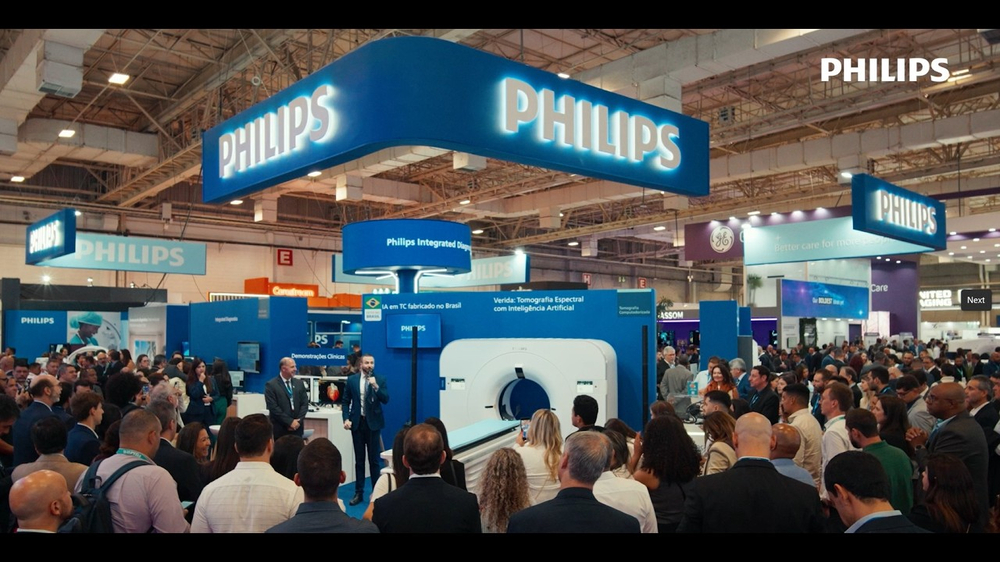
On November 30, 2025, Royal Philips announced the launch of Verida, an advanced artificial intelligence-powered spectral computed tomography (CT) system, at the Radiological Society of North America's annual meeting (RSNA 2025) in Chicago, United States. Philips introduced Verida as the world's first detector-based spectral CT system fully powered by AI, representing a major advancement in diagnostic imaging technology. The system combines Philips' third-generation Nano-panel Precise dual-layer detector with its Spectral Precise Image deep-learning reconstruction technology, enabling detailed imaging and improved differentiation of tissues and materials. By integrating artificial intelligence throughout the imaging process, Verida is designed to reduce image noise, improve diagnostic clarity, optimize radiation dose, and accelerate scanning workflows. Philips reported reconstruction speeds of up to 145 images per second, allowing complete examinations to be processed in less than 30 seconds under specified conditions.
The introduction of Verida became an important milestone in Philips' continued development as a global leader in healthcare technology and advanced medical imaging. Building on more than a decade of experience in detector-based spectral CT, the platform was designed to support radiologists and clinicians in identifying and characterizing diseases more accurately, particularly in cardiology, oncology, and general diagnostic imaging. Its always-on spectral imaging capabilities allow healthcare professionals to obtain detailed information about tissue composition from a single scan without requiring additional spectral acquisitions. Philips also highlighted the system's potential to improve departmental efficiency, reduce energy consumption, and support high patient volumes, with a stated capacity of up to 270 examinations per day under specified operating conditions. The November 2025 announcement demonstrated Philips' commitment to integrating artificial intelligence with established imaging technologies and advancing more efficient, personalized, and data-driven healthcare.
View details2024
On May 9, 2024, Philips Respironics, a subsidiary of Royal Philips, reached a USD 1.075 billion settlement agreement to resolve eligible personal injury claims in the United States associated with certain recalled sleep apnea and respiratory care devices. The agreement followed the voluntary recall initiated in June 2021 involving specific continuous positive airway pressure (CPAP) machines, bilevel ventilation devices, and mechanical ventilators. The settlement allocated USD 1.05 billion to a personal injury compensation fund and USD 25 million to notification and administrative expenses. Eligible claimants could participate voluntarily in exchange for resolving their covered claims. Importantly, the agreement did not constitute an admission of liability, wrongdoing, or that the devices had caused the alleged injuries.
The settlement represented an important milestone in Philips' efforts to address recall-related legal proceedings and strengthen its commitment to patient safety, product quality, and regulatory compliance. Under the leadership of Chief Executive Officer Roy Jakobs, Philips continued implementing improvements in quality management, manufacturing processes, and medical device testing while supporting affected patients and healthcare providers. The agreement provided a structured process for resolving eligible claims and helped reduce uncertainty surrounding the company's U.S. litigation. The settlement became final after registrations exceeded the required 95% participation threshold by January 31, 2025, with payments taking place during the first half of 2025. This development formed part of Philips' broader strategy to reinforce operational performance, rebuild stakeholder confidence, and maintain its focus on healthcare innovation and reliable medical technologies.
View details2022
On October 15, 2022, Roy Jakobs officially became President and Chief Executive Officer of Royal Philips, succeeding Frans van Houten, who had led the company since 2011. His appointment was announced on August 16, 2022, and approved by shareholders at an Extraordinary General Meeting on September 30. Jakobs brought extensive international leadership experience, having joined Philips in 2010 and held senior management positions across its healthcare businesses, including Connected Care and Personal Health. His appointment marked the beginning of a new leadership phase focused on strengthening patient safety, improving product quality, restoring operational performance, and rebuilding confidence among customers, healthcare professionals, and shareholders.
Roy Jakobs' appointment became an important milestone in Philips' continuing transformation into a globally focused healthcare technology company. Under his leadership, Philips placed greater emphasis on quality management, regulatory compliance, operational efficiency, and customer-focused innovation. His strategic priorities included strengthening medical imaging, image-guided therapy, patient monitoring, and connected healthcare solutions while improving the company's ability to deliver reliable medical technologies. Jakobs also promoted a more accountable organizational culture and closer collaboration with healthcare providers, regulators, and business partners. In 2023, Philips introduced a new operating model designed to simplify its structure, strengthen execution, and support sustainable growth. The October 2022 leadership transition represented a significant step toward reinforcing Philips' long-term commitment to healthcare innovation, patient well-being, and technological excellence.
View details2021
On September 2, 2021, Royal Philips announced the successful completion of the sale of its Domestic Appliances business to Hillhouse Investment, marking a major milestone in its strategic transformation. Originally announced on March 25, 2021, the transaction valued the business at approximately €3.7 billion, with Philips receiving around €3 billion in net cash proceeds after taxes and transaction-related costs. The total deal value reached approximately €4.4 billion, including a 15-year licensing agreement allowing the domestic appliances business to continue using the Philips brand. The division, which generated €2.2 billion in sales during 2020, included kitchen appliances, coffee machines, garment care products, and home cleaning equipment. The sale enabled Philips to concentrate more fully on healthcare technology, medical systems, and personal health solutions.
The completion of the Domestic Appliances sale became one of the most significant milestones in Philips' evolution from a diversified electronics manufacturer into a specialized global healthcare technology company. Under the leadership of Chief Executive Officer Frans van Houten, the transaction concluded a series of major divestments, following the separation of Philips' television operations, lighting business, and other traditional consumer electronics activities. The newly independent Domestic Appliances business retained its Netherlands headquarters and continued developing household products under the Philips brand through its licensing agreement. For Royal Philips, the divestment provided greater financial flexibility and strengthened its strategic focus on diagnostic imaging, image-guided therapy, patient monitoring, connected healthcare, and personal health technologies. Philips also continued investing in oral healthcare, personal grooming, and mother-and-child care products. The September 2021 transaction represented a defining step in the company's long-term transformation toward healthcare innovation and integrated medical solutions.
View detailsOn June 14, 2021, Royal Philips announced a voluntary recall notification in the United States and a field safety notice internationally for certain sleep apnea and respiratory care devices manufactured by its subsidiary, Philips Respironics. The action involved specific continuous positive airway pressure (CPAP) machines, bilevel positive airway pressure (BiPAP) devices, and mechanical ventilators, including models from the first-generation DreamStation product family. The recall addressed potential health risks associated with polyester-based polyurethane (PE-PUR) sound-abatement foam used to reduce noise and vibration inside the devices. Testing indicated that the foam could deteriorate into particles or release certain chemicals into the airflow, potentially exposing users through inhalation or ingestion. Philips initiated the recall to notify patients and healthcare providers, provide safety guidance, and establish a repair and replacement program for affected equipment.
The June 2021 recall became a major milestone in Philips' healthcare technology history, prompting an extensive international effort to evaluate device safety, support patients, and improve product quality. The action affected millions of sleep therapy and respiratory care devices worldwide, making close cooperation with medical professionals, regulatory agencies, and healthcare organizations essential. Philips expanded its repair and replacement operations, conducted additional laboratory testing, and worked with independent specialists to investigate the potential risks associated with foam degradation and chemical emissions. The U.S. Food and Drug Administration continued monitoring the recall and providing recommendations for affected patients and healthcare providers. The event reinforced the importance of rigorous medical device testing, transparent safety communication, regulatory oversight, and ongoing quality improvement. It also became an important part of Philips' broader efforts to strengthen patient safety and confidence in its healthcare technologies.
View details2019
On September 19, 2019, Royal Philips announced the successful sale of its remaining shares in Signify, officially completing its ownership exit from the lighting business that had defined the company since its founding in 1891. The transaction involved the sale of 13.8 million shares, representing approximately 10.7% of Signify's issued share capital, to institutional investors at €25.90 per share. The offering generated approximately €357 million in proceeds for Royal Philips, with settlement scheduled for September 24, 2019. The divestment followed several earlier share sales after Philips Lighting's initial public offering in May 2016 and its subsequent rebranding as Signify in 2018. By selling its final ownership stake, Philips completed a major strategic restructuring and strengthened its focus on healthcare technology, medical imaging, patient monitoring, and connected health solutions.
The completion of Philips' ownership exit from Signify marked a historic turning point in the company's 128-year history, symbolizing its transformation from an electric lighting manufacturer into a specialized global healthcare technology enterprise. Philips originally began producing incandescent light bulbs in Eindhoven, Netherlands, in 1891, and lighting remained central to its business for more than a century. Following the separation, Signify continued operating independently as a global leader in LED lighting, connected illumination, and smart lighting systems, while retaining permission to use the Philips brand for certain lighting products under licensing agreements. For Royal Philips, the divestment allowed greater strategic concentration on diagnostic imaging, image-guided therapy, healthcare informatics, patient monitoring, and personal health technologies. The September 2019 transaction represented the culmination of years of corporate restructuring and established a clear distinction between Philips' historical lighting heritage and its modern identity as a healthcare technology company.
View details2018
On May 16, 2018, Philips Lighting officially changed its corporate name to Signify, marking an important milestone in its development as an independent global lighting company. The renaming followed approval by shareholders on May 15, 2018, and came nearly two years after Philips Lighting's initial public offering on the Euronext Amsterdam stock exchange in 2016. Under the leadership of Chief Executive Officer Eric Rondolat, the company introduced the Signify identity to reflect its expanding focus on LED technology, connected lighting, and intelligent illumination systems. The name represented the company's vision of light as a means of communication and connection in an increasingly digital world. Despite the corporate name change, Signify continued using the globally recognized Philips brand for its lighting products under an existing licensing agreement with Royal Philips.
The transformation into Signify became a defining moment in the history of Philips' original lighting business, which began in Eindhoven, Netherlands, in 1891 with the manufacturing of incandescent light bulbs. By 2018, Signify had grown into a global lighting leader, employing approximately 32,000 people across more than 70 countries and generating around €7 billion in annual sales in 2017. The new corporate identity strengthened its independence while preserving its historical connection to Philips through established product branding. Signify continued developing innovative lighting solutions, including Philips Hue smart lighting, energy-efficient LED systems, connected street lighting, and intelligent lighting technologies for homes, businesses, and cities. The 2018 renaming also represented an important step in Royal Philips' strategic transformation toward healthcare technology, allowing the two companies to pursue specialized business strategies. The establishment of Signify as a distinct global brand demonstrated how Philips' original lighting heritage evolved into a modern enterprise focused on connected, sustainable, and intelligent illumination.
View details2017
On August 9, 2017, Royal Philips completed its acquisition of Spectranetics Corporation, a leading American medical technology company headquartered in Colorado Springs, Colorado. Announced on June 28, 2017, the transaction was valued at approximately €1.9 billion ($2.2 billion), marking a significant expansion of Philips' Image-Guided Therapy business. Spectranetics specialized in minimally invasive vascular intervention devices, including laser atherectomy catheters, drug-coated balloons, and technologies for removing implanted pacemaker and defibrillator leads. Employing more than 900 people, the company brought extensive expertise in treating coronary and peripheral artery disease. The acquisition strengthened Philips' portfolio of interventional medical devices and expanded its ability to provide advanced solutions for cardiovascular diagnosis and treatment.
The acquisition of Spectranetics became an important milestone in Philips' transformation into a leading global healthcare technology company, particularly in minimally invasive cardiovascular treatment. By combining Spectranetics' specialized catheters, laser technologies, and vascular intervention devices with Philips' existing imaging systems and its earlier acquisition of Volcano Corporation in 2015, the company expanded its ability to support physicians throughout complex medical procedures. Spectranetics' technologies complemented Philips' interventional X-ray platforms, enabling clinicians to visualize blood vessels, assess vascular conditions, and perform targeted treatments using integrated equipment. The acquisition also strengthened Philips' position in the international image-guided therapy market and supported further innovation in coronary interventions, peripheral vascular treatments, and cardiac device management. This strategic investment reinforced Philips' long-term commitment to advanced medical technology, minimally invasive procedures, and improving patient care through integrated diagnostic and therapeutic solutions.
View details2016
On May 31, 2016, Royal Philips officially completed the initial public offering (IPO) of its lighting division, establishing Philips Lighting as a separately listed company. Philips Lighting had begun trading on the Euronext Amsterdam stock exchange on May 27, 2016, under the ticker symbol LIGHT, with the IPO formally settling four days later. The offering involved the sale of 37.5 million shares, representing 25% of the company's share capital, at €20 per share, generating approximately €750 million in gross proceeds for Royal Philips. Led by Chief Executive Officer Eric Rondolat, Philips Lighting continued developing conventional lighting, energy-efficient LED products, and connected lighting systems. The transaction represented a decisive milestone in Royal Philips' transformation into a company increasingly focused on healthcare technology, medical imaging, patient monitoring, and personal health solutions.
The Philips Lighting IPO became one of the most significant milestones in the company's 125-year history, formally separating the lighting operations that had been central to Philips since its founding in Eindhoven in 1891. The offering was Europe's largest IPO of 2016 up to that date and provided Philips Lighting with greater independence to pursue innovation in LED technology, smart lighting, connected systems, and energy-efficient illumination. Royal Philips initially retained a majority ownership stake, which it planned to reduce progressively while concentrating its resources on healthcare technology and integrated medical solutions. On May 16, 2018, Philips Lighting adopted the corporate name Signify, while continuing to use the Philips brand for its lighting products under a licensing agreement. The 2016 IPO marked a historic turning point, allowing both businesses to pursue specialized strategies and strengthening Philips' transformation into a globally focused health technology company.
View details2015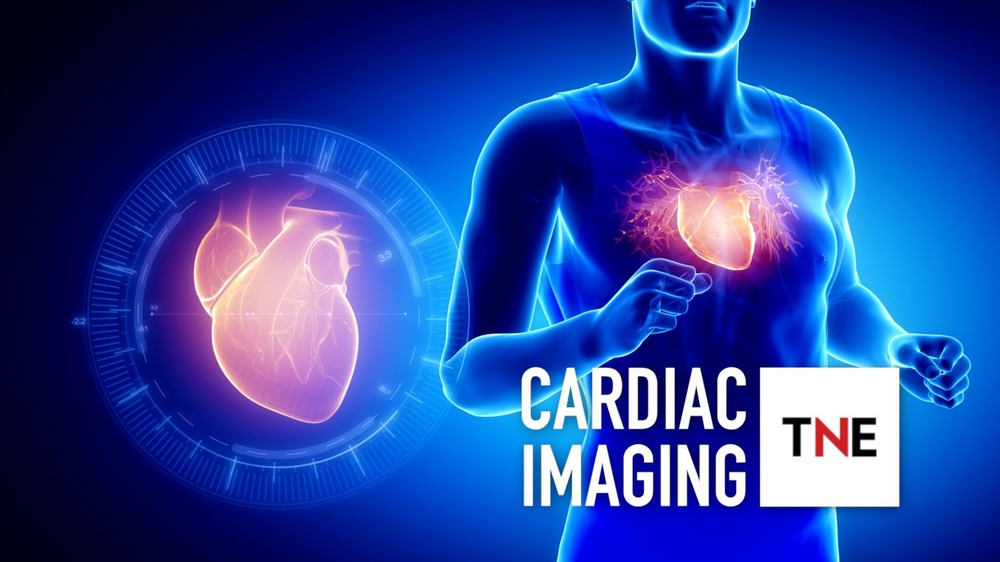
On February 17, 2015, Royal Philips completed its acquisition of Volcano Corporation, a leading medical technology manufacturer headquartered in San Diego, California. Announced in December 2014, the transaction was valued at approximately $1.2 billion, significantly expanding Philips' capabilities in minimally invasive cardiovascular procedures. Volcano specialized in intravascular ultrasound (IVUS), fractional flow reserve (FFR) measurement systems, and advanced catheter-based imaging technologies that allow physicians to examine blood vessels and assess blood flow. With approximately 1,800 employees and annual sales of around $400 million in 2014, Volcano brought extensive expertise in cardiovascular diagnostics and interventional medical devices. The acquisition strengthened Philips' Image-Guided Therapy business by combining advanced catheter technologies with its existing X-ray imaging systems and clinical software solutions.
The acquisition of Volcano became a major milestone in Philips' transformation into a leading global healthcare technology company, particularly in image-guided minimally invasive treatment. By integrating Volcano's specialized imaging and measurement catheters with Philips' interventional X-ray equipment, the company expanded its ability to support physicians during complex cardiovascular procedures. The combined technologies helped clinicians visualize the interior of blood vessels, evaluate coronary artery blockages, and make more informed treatment decisions. The acquisition also strengthened Philips' position in the growing image-guided therapy market and supported further development of integrated diagnostic and therapeutic solutions. Under CEO Frans van Houten, the transaction reinforced Philips' strategic emphasis on advanced healthcare technology, clinical innovation, and improving patient outcomes. The 2015 acquisition laid an important foundation for Philips' continued expansion in interventional cardiology, vascular imaging, and minimally invasive medical procedures worldwide.
View details2013
On May 15, 2013, Royal Philips officially changed its corporate name from Koninklijke Philips Electronics N.V. to Koninklijke Philips N.V. (Royal Philips), marking an important milestone in its strategic transformation. The decision to remove “Electronics” reflected the company's evolution from a traditional electronics manufacturer into a diversified technology enterprise increasingly focused on healthcare, personal well-being, and innovative consumer solutions. Under the leadership of Chief Executive Officer Frans van Houten, Philips was restructuring its business portfolio to emphasize meaningful innovation, advanced healthcare systems, and technologies designed to improve people's lives. The name change reinforced the company's commitment to a more focused global identity while preserving its Dutch heritage and internationally recognized Philips brand.
The adoption of the Royal Philips name became a defining step in the company's long-term transformation toward healthcare technology and human-centered innovation. In November 2013, Philips introduced its new global brand positioning, “Innovation and You,” alongside a redesigned version of its iconic Philips shield. The updated identity emphasized the company's ambition to deliver technologies that addressed people's everyday needs and improved quality of life. During this period, Philips continued expanding its activities in medical imaging, patient monitoring, connected healthcare, personal care, and energy-efficient lighting. These developments laid the foundation for the company's subsequent separation of its lighting operations in 2016 and its stronger focus on health technology. The 2013 name change symbolized Philips' transition from a broad electronics conglomerate toward a more specialized, innovation-driven global healthcare technology company.
View details2011
On April 1, 2011, Frans van Houten officially became President and Chief Executive Officer of Royal Philips Electronics, succeeding Gerard Kleisterlee, who had led the company since 2001. Van Houten brought extensive international management experience, having previously held senior leadership positions within Philips and served as Chief Executive Officer of NXP Semiconductors. His appointment marked the beginning of a major strategic transformation focused on improving operational efficiency, accelerating innovation, and strengthening Philips' competitiveness in global markets. Under his leadership, the company introduced the Accelerate! transformation program in 2011, designed to simplify organizational structures, improve business performance, and create a more customer-focused enterprise. These initiatives aimed to position Philips for long-term growth in healthcare technology, energy-efficient lighting, and consumer lifestyle products.
Frans van Houten's appointment became a defining milestone in Philips' evolution from a diversified electronics manufacturer into a company increasingly focused on healthcare technology. During his leadership, Philips gradually shifted its business portfolio by transferring its television operations to a joint venture in 2012, exiting major audio and video product businesses, and separating its lighting division through an initial public offering in 2016. These strategic changes allowed Philips to concentrate more heavily on medical imaging, patient monitoring, connected healthcare, and personal health technologies. Van Houten also emphasized digital innovation, international partnerships, and the development of integrated healthcare solutions. His leadership helped establish the foundations of Philips' modern identity as a global health technology company, making the 2011 leadership transition one of the most significant turning points in the company's recent history.
View details2008
On March 17, 2008, Royal Philips Electronics officially announced the completion of its acquisition of Respironics, a leading American medical technology company headquartered in Murrysville, Pennsylvania. The acquisition, valued at approximately $5.1 billion (€3.6 billion) when announced in December 2007, significantly expanded Philips' capabilities in sleep therapy, respiratory care, and patient monitoring. Respironics specialized in continuous positive airway pressure (CPAP) devices, noninvasive ventilation systems, home oxygen therapy equipment, and respiratory monitoring technologies. The transaction closed for accounting purposes on March 10, 2008, and gave Philips full ownership of Respironics, strengthening its position in the global healthcare technology industry and expanding its ability to provide advanced medical solutions for hospitals and home-based patient care.
The completion of the Respironics acquisition became a defining milestone in Philips' transformation into a leading global healthcare technology company. By combining Respironics' expertise in sleep apnea treatment and respiratory therapy with Philips' existing strengths in medical imaging, patient monitoring, and healthcare information systems, the company significantly broadened its medical technology portfolio. The acquisition established a strong foundation for Philips' Home Healthcare Solutions business and strengthened its position in respiratory care, oxygen therapy, and noninvasive ventilation. It also expanded Philips' presence in the United States and provided opportunities to develop integrated healthcare solutions connecting hospital treatment with long-term care at home. This strategic investment helped advance Philips' ambition to improve patient outcomes, support healthcare professionals, and make advanced medical technologies more accessible across different care settings.
View details2007
On December 21, 2007, Royal Philips Electronics announced an agreement to acquire Respironics, a leading American manufacturer of sleep and respiratory care equipment headquartered in Murrysville, Pennsylvania. The acquisition, valued at approximately $5.1 billion (€3.6 billion), represented one of Philips' largest investments in healthcare technology. Respironics specialized in continuous positive airway pressure (CPAP) devices, noninvasive ventilation systems, respiratory monitoring equipment, and home oxygen therapy solutions. Employing more than 5,300 people and operating in approximately 141 countries, the company brought extensive technological expertise and an established international customer network. The agreement aimed to strengthen Philips' position in sleep apnea treatment, respiratory therapy, and home healthcare.
The acquisition became a major milestone in Philips' transformation from a diversified electronics manufacturer into a global healthcare technology leader. Completed in March 2008, the transaction significantly expanded Philips Healthcare's capabilities in sleep therapy, respiratory monitoring, and home-based medical treatment. By combining Respironics' specialized respiratory technologies with Philips' existing medical imaging, patient monitoring, and healthcare information systems, the company strengthened its ability to provide integrated solutions across hospitals and patients' homes. The acquisition also expanded Philips' presence in the United States and created opportunities for international growth in sleep apnea management and respiratory care. Respironics became a central part of Philips' Home Healthcare Solutions business, supporting the company's long-term strategy of developing innovative medical technologies that improve patient care and quality of life.
View details2006
On September 29, 2006, Royal Philips Electronics completed the sale of an 80.1% controlling stake in its semiconductor division to a private equity consortium led by Kohlberg Kravis Roberts & Co. (KKR), alongside Silver Lake Partners, Bain Capital, Apax Partners, and AlpInvest Partners. The transaction valued the business at approximately €8.3 billion and resulted in the formation of NXP Semiconductors, an independent semiconductor company headquartered in the Netherlands. Philips initially retained a 19.9% ownership interest while receiving approximately €6.4 billion in net cash proceeds. The divestment represented a major strategic restructuring, allowing Philips to concentrate its resources on healthcare technology, lighting solutions, and consumer lifestyle products.
The separation of Philips' semiconductor business became one of the most significant milestones in the company's transformation into a more focused international technology enterprise. The division had developed advanced electronic components for more than five decades, contributing to innovations in integrated circuits, communications technology, consumer electronics, and automotive systems. As an independent company, NXP gained greater flexibility to pursue semiconductor research, manufacturing, and international partnerships, eventually becoming an important supplier of automotive, industrial, and secure connectivity technologies. For Philips, the transaction provided substantial financial resources to support investments and acquisitions in medical imaging, patient monitoring, home healthcare, and energy-efficient lighting. The 2006 divestment helped lay the foundation for Philips' long-term transition away from traditional consumer electronics toward healthcare technology and connected medical solutions.
View details2004
In September 2004, Royal Philips Electronics launched its global “sense and simplicity” branding initiative, marking an important transformation in the company's marketing strategy and corporate identity. Introduced under the leadership of Chief Executive Officer Gerard Kleisterlee, the campaign emphasized Philips' commitment to developing advanced technologies that were intuitive, accessible, and easy to use. The new slogan replaced the company's previous “Let's Make Things Better” message and reflected its ambition to become a more customer-focused organization. Supported by a global advertising investment of approximately €80 million, the initiative promoted Philips' products and services across healthcare, consumer electronics, lighting, and lifestyle technology. Its central message emphasized that technological innovation should simplify everyday activities rather than introduce unnecessary complexity.
The introduction of “sense and simplicity” became a defining milestone in Philips' evolution toward human-centered innovation and modern product design. More than a traditional advertising campaign, the initiative established three guiding principles for Philips' products and services: advanced technology, ease of use, and design based on people's needs. These principles influenced the development and presentation of products such as Ambilight televisions, Sonicare toothbrushes, medical imaging equipment, and personal care appliances. The campaign also helped create a consistent international brand identity across Philips' diverse business divisions, strengthening its recognition among consumers and healthcare professionals. By emphasizing practical innovation and meaningful user experiences, Philips reinforced its ambition to improve people's quality of life through technology. The 2004 campaign laid an important foundation for the company's subsequent brand development, including the introduction of its “Innovation and You” positioning in 2013.
View details2001
On August 1, 2001, Royal Philips Electronics completed the acquisition of Agilent Technologies' Healthcare Solutions Group (HSG) for approximately $1.7 billion, marking a major milestone in its expansion into medical technology. Originally announced on November 17, 2000, the transaction significantly strengthened Philips Medical Systems by adding advanced capabilities in cardiovascular ultrasound imaging, patient monitoring, electrocardiography, resuscitation equipment, and healthcare information management. Agilent's healthcare division employed approximately 5,000 people and operated in more than 100 countries, providing Philips with an established international customer network and valuable medical engineering expertise. The acquisition also expanded Philips' presence in hospitals, emergency departments, outpatient facilities, and home healthcare markets, reinforcing its position as a leading global supplier of diagnostic and patient-care technologies.
The acquisition became one of the most significant developments in Philips' transformation from a diversified electronics manufacturer into a global healthcare technology leader. By integrating Agilent's established medical technologies with its existing diagnostic imaging portfolio, Philips strengthened its capabilities in ultrasound, cardiac care, patient monitoring, and connected healthcare solutions. The transaction complemented earlier investments in medical imaging and helped broaden the company's ability to serve healthcare professionals throughout the patient-care process, from diagnosis to treatment and monitoring. It also reinforced Philips' competitive position in North America and accelerated its expansion into emerging healthcare markets, including remote patient monitoring and home-based medical services. The 2001 acquisition laid an important foundation for Philips' long-term strategic focus on healthcare innovation, advanced medical equipment, and integrated patient-care technology.
View details1997
In 1997, Philips prepared for an important corporate transformation that strengthened its identity as one of the Netherlands' most internationally recognized industrial enterprises. The company adopted the official name Koninklijke Philips Electronics N.V. (Royal Philips Electronics) on April 1, 1998, reflecting its Royal designation and longstanding association with Dutch technological innovation. Founded in 1891 by Frederik and Gerard Philips in Eindhoven, the company had grown from a small electric light bulb manufacturer into a global electronics corporation. The new corporate identity emphasized Philips' international reputation, extensive technological achievements, and important contributions to Dutch industry. During this period, Philips also began relocating its corporate headquarters from Eindhoven to Amsterdam, reinforcing its position as a modern multinational enterprise.
The adoption of the Royal Philips Electronics name became a significant milestone in the company's history, symbolizing more than a century of industrial growth, scientific research, and international expansion. By the late 1990s, Philips had established a worldwide presence through innovations in electric lighting, radio, television, medical imaging, semiconductors, and digital audio technology. Its contributions included the compact audio cassette, the Compact Disc developed with Sony, and numerous advances in healthcare equipment. The Royal identity strengthened the company's connection to its Dutch heritage while supporting its reputation as a global technology leader. In 2013, the company simplified its official name to Koninklijke Philips N.V. (Royal Philips), reflecting its evolving focus on healthcare, technology, and improving people's lives. This corporate milestone remains an important chapter in Philips' transformation from a pioneering Dutch manufacturer into a globally recognized innovation company.
View detailsIn January 1927, Philips completed its acquisition of Mullard, a leading British manufacturer of vacuum tubes and electronic components. Founded in London in 1920 by Captain Stanley Robert Mullard, the company specialized in thermionic valves used in radio receivers, broadcasting equipment, and telecommunications systems. Philips had first acquired a 50% stake in Mullard in January 1925, providing financial support and access to advanced manufacturing technology. By purchasing the remaining shares in January 1927, Philips gained full ownership of the company, significantly strengthening its position in the British electronics industry. The acquisition expanded Philips' manufacturing capabilities, technological expertise, and access to the rapidly growing United Kingdom radio market.
The acquisition of Mullard became an important milestone in Philips' international expansion and its development into a major European electronics manufacturer. Under Philips' ownership, Mullard expanded its production facilities and developed increasingly advanced electronic components for radio, television, telecommunications, and industrial applications. In 1928, Mullard introduced pentode valves to the British market, followed by a new manufacturing plant in Mitcham, Surrey, in 1929. The company later established a major factory in Blackburn, Lancashire, which became one of Europe's leading centers for vacuum tube production. Mullard also contributed to developments in cathode-ray tubes, semiconductor technology, and electronic research. Its close relationship with Philips helped combine Dutch scientific innovation with British manufacturing expertise, strengthening both companies' positions in international electronics markets. The 1927 acquisition remains a significant chapter in Philips' history, illustrating how strategic investment and technological collaboration supported its transformation into a globally influential electronics enterprise.
View details1991
In 1991, Philips undertook a major corporate restructuring aimed at strengthening its global identity and simplifying its organizational structure. The company announced plans to adopt the name Philips Electronics N.V., reflecting its transformation from an electric light bulb manufacturer into a diversified international electronics enterprise. Under the leadership of Chief Executive Officer Jan Timmer, Philips introduced extensive organizational reforms through a program known as Operation Centurion, designed to improve efficiency, strengthen business operations, and increase international competitiveness. The restructuring also involved simplifying the company's holding structure and reorganizing its global activities. Although the new identity was associated with the changes announced in 1991, Philips' official corporate records establish May 6, 1994, as the date the legal entity formally adopted the name Philips Electronics N.V.
The corporate restructuring of the early 1990s became an important milestone in Philips' evolution into a modern multinational technology company. Operation Centurion encouraged more focused management, streamlined decision-making, and greater attention to businesses such as consumer electronics, lighting, semiconductors, and medical systems. The adoption of the Philips Electronics name reinforced the company's identity as a global electronics leader rather than solely a manufacturer of electric lamps. Subsequent developments included the introduction of new digital entertainment products, the expansion of advanced medical technologies, and further international growth. In 1998, the company adopted the name Koninklijke Philips Electronics N.V., emphasizing its Dutch Royal designation and international standing. These changes laid important foundations for Philips' later transformation into a company increasingly focused on healthcare technology and innovation.
View details1982
On October 1, 1982, the Compact Disc (CD) system, jointly developed by Philips and Sony, officially entered the commercial market in Japan, marking a major breakthrough in digital audio technology. Sony introduced the CDP-101, the world's first commercially released compact disc player, alongside approximately 50 prerecorded music titles. Philips subsequently launched its Compact Disc Digital Audio system in Europe on March 1, 1983, introducing its innovative CD100 player. Unlike traditional vinyl records and magnetic cassette tapes, compact discs stored music as digital information that was read by a laser beam without physical contact with the recording surface. The new format offered clear sound reproduction, convenient track selection, and greater resistance to playback-related wear, transforming how consumers experienced recorded music.
The commercial introduction of the Compact Disc became one of the most influential milestones in the history of consumer electronics and recorded music. By establishing a unified international digital audio standard, Philips and Sony created a format that could be adopted by manufacturers and record companies worldwide. Throughout the 1980s, compact discs gained popularity as consumers embraced their excellent sound quality, durability, portability, and ability to access individual tracks without rewinding or manually positioning a record needle. The technology eventually transformed the global music industry, helping digital recordings replace analog formats as the dominant method of music distribution during the 1990s. Its success also paved the way for later optical storage technologies, including CD-ROM, DVD, and Blu-ray discs. The Compact Disc strengthened Philips' reputation as a pioneer in digital audio and demonstrated how international technological collaboration could revolutionize entertainment, information storage, and consumer electronics.
View details1979
In 1979, Philips and Sony began a landmark collaboration to develop a unified technical standard for the Compact Disc (CD), marking an important advancement in digital audio technology. Philips had already demonstrated a prototype optical audio disc in March 1979, drawing on years of research into laser-based storage and sound reproduction. Recognizing the potential of digital music, the two companies combined Philips' expertise in optical disc technology with Sony's advanced digital audio processing capabilities. Their engineering teams worked together to establish essential specifications, including a 12-centimeter disc diameter, 16-bit digital audio resolution, and a sampling frequency of 44.1 kHz. The partnership resulted in the Red Book Compact Disc Digital Audio standard in June 1980, creating a common format that manufacturers could adopt internationally.
The Philips–Sony collaboration became one of the most influential partnerships in consumer electronics history, laying the foundation for the worldwide digital music revolution. By establishing a standardized format, the companies ensured that compact discs could be played on compatible equipment produced by different manufacturers, encouraging widespread industry adoption. The first commercial CD players and discs reached the Japanese market in 1982, followed by launches in Europe and the United States in 1983. Compact discs offered high-quality digital sound, convenient playback, and greater resistance to everyday wear than traditional vinyl records. During the following decades, the CD became a dominant music distribution format and helped inspire further innovations in optical storage, including CD-ROM, DVD, and Blu-ray technology. The partnership strengthened both companies' reputations as pioneers of digital entertainment and demonstrated how international technological cooperation could transform an entire industry.
View details1972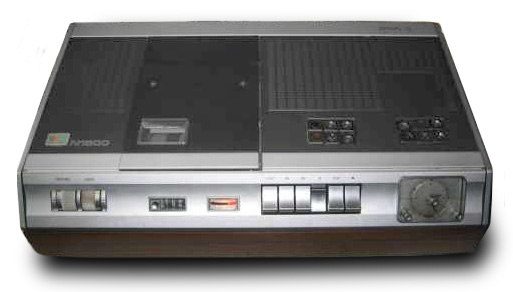
In 1972, Philips brought its pioneering N1500 video cassette recorder to the consumer market, marking an important milestone in the development of home entertainment technology. Originally introduced in 1971, the N1500 was one of the world's first practical domestic video cassette recorders, allowing television programs to be recorded and played back using magnetic videotape enclosed in a cassette. The machine featured a built-in television tuner, an automatic recording timer, and the ability to capture color television broadcasts. Its original cassettes provided approximately 60 minutes of recording time, offering households a new way to enjoy television programs beyond their scheduled broadcast times. Developed under Philips' Video Cassette Recording (VCR) format, the system demonstrated the company's expertise in magnetic recording and electronic engineering.
The introduction of the Philips N1500 became a significant achievement in consumer electronics history, helping establish home video recording as an emerging technology. Its cassette-based design eliminated the complicated tape-threading procedures associated with earlier reel-to-reel video recorders, making recording more convenient for everyday users. Philips continued improving its video recording systems throughout the 1970s, introducing models such as the N1502 and the N1700, which offered greater reliability and longer recording times. These developments contributed to the company's later introduction of the Video 2000 system in 1979, a technologically advanced but incompatible successor developed with Grundig. Although competing formats eventually became more widespread, Philips' early VCR technology helped establish the foundations of domestic video recording and influenced the evolution of home entertainment throughout the following decades.
View details1971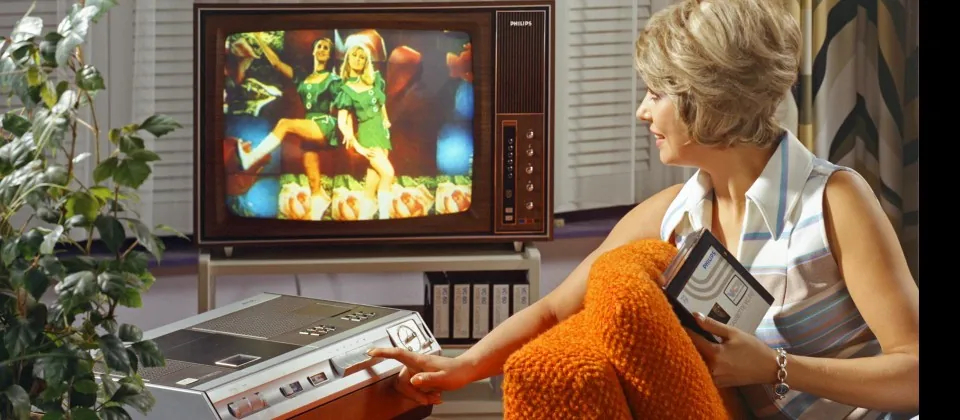
In 1971, Philips introduced its first Video Cassette Recording (VCR) system, followed by the commercial launch of the Philips N1500 recorder in 1972. Developed in the Netherlands, the N1500 became one of the earliest practical home video recording systems, allowing users to record television broadcasts and watch them later at their convenience. The machine featured a built-in television tuner, a programmable timer, and a cassette-based magnetic tape recording system capable of capturing color television programs. Its initial recording capacity was approximately 60 minutes, representing a major technological achievement for the period. Although the equipment was relatively expensive and initially attracted institutional and professional users, it introduced a new level of convenience and flexibility in television viewing, establishing Philips as an important pioneer in home video technology.
The introduction of the Philips N1500 became a significant milestone in the evolution of home entertainment and video recording technology. For the first time, consumers could use a relatively self-contained video cassette system to record television broadcasts automatically, creating new possibilities for time-shifted viewing and personal video collections. Philips continued improving its recording technology throughout the 1970s, introducing upgraded VCR models with longer recording times and improved performance. The company's early innovations helped establish the foundations of the home video industry, which later expanded rapidly through competing formats such as Betamax and VHS. Philips also developed the Video 2000 system in 1979, demonstrating its continued commitment to advancing magnetic video recording. The launch of the N1500 remains an important achievement in consumer electronics history, illustrating how Philips helped transform television from a scheduled broadcasting experience into a more flexible form of personal entertainment.
View details1963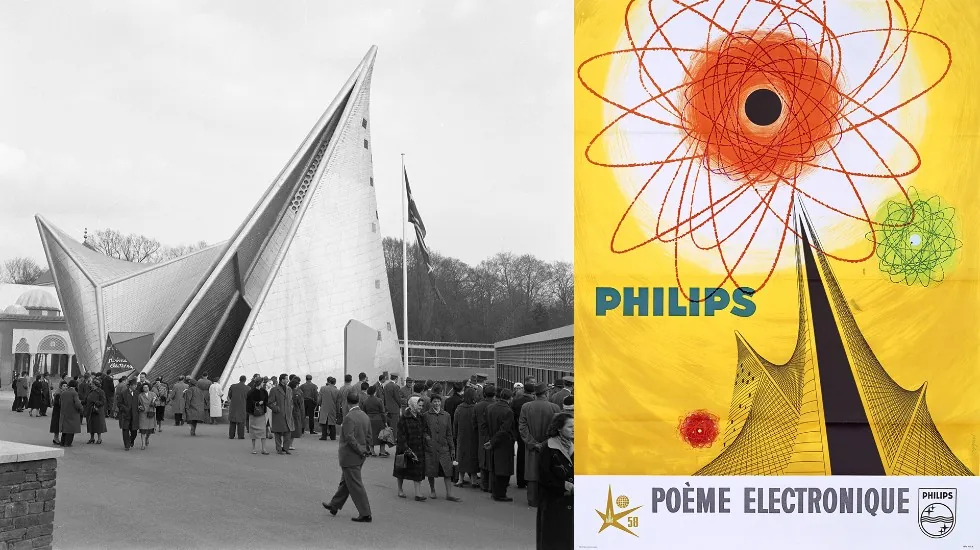
On August 30, 1963, Philips introduced its revolutionary Compact Audio Cassette system at the International Radio Exhibition (IFA) in Berlin, Germany, marking a major breakthrough in sound recording technology. Developed by a team of engineers led by Lou Ottens at the Philips factory in Hasselt, Belgium, the compact cassette offered a smaller, simpler, and more affordable alternative to traditional reel-to-reel tape recorders. The system featured magnetic recording tape enclosed within a lightweight plastic casing, eliminating the need for manually threading tape reels. Philips also introduced the EL 3300 portable cassette recorder, allowing users to record and play back sound with greater convenience. Originally designed primarily for voice recording, the technology quickly demonstrated its potential for music and everyday audio applications.
The introduction of the compact cassette became one of Philips' most influential innovations, transforming how people recorded, shared, and enjoyed music worldwide. P
View details1958
In 1958, at the Brussels World’s Fair (Expo 58), Philips presented the Poème Électronique, an ambitious multimedia installation housed in the striking Philips Pavilion. Designed by architect Le Corbusier, with important contributions from composer Edgard Varèse and architect-composer Iannis Xenakis, the project combined architecture, music, projected images, and lighting effects into a single immersive experience. Visitors moved through the pavilion while synchronized electronic sound and visual sequences were played around them, creating a futuristic environment unlike a conventional exhibition display. The presentation showed that Philips was interested not only in manufacturing electronic products, but also in exploring how technology could shape modern art, culture, and human experience.
The Poème Électronique became one of the most famous artistic and technological attractions of Expo 58 and remains an important landmark in the history of multimedia design. It demonstrated Philips’ willingness to collaborate with leading creative figures and to present itself as an innovator in sound, communication, and modern living. The pavilion itself became a symbol of postwar optimism and experimental design, while Varèse’s electronic composition helped establish new possibilities for music in architectural spaces. Through this project, Philips strengthened its reputation as a company whose ambitions extended beyond lamps, radios, and appliances into the broader world of technological imagination and cultural innovation.
View details1950
In 1950, Philips established its dedicated recorded-music business, Philips Phonografische Industrie (PPI), in the Netherlands, marking a significant expansion into the international music industry. Building on its earlier involvement in gramophones, audio equipment, and record manufacturing, Philips consolidated its recording and production operations under the new organization. The Philips Records label began releasing classical music recordings in June 1950 and gradually expanded into popular music and other genres. Based in Baarn, Netherlands, the business focused on producing, manufacturing, and distributing high-quality recordings for domestic and international markets. The initiative combined Philips' technical expertise in sound reproduction with the growing commercial demand for recorded music, establishing the company as an important participant in the rapidly developing global recording industry.
The establishment of Philips Records became a major milestone in the company's diversification into music production, entertainment, and audio technology. During the 1950s, the label expanded internationally, releasing recordings by prominent classical performers and popular artists while developing distribution partnerships with established record companies, including Columbia Records in the United States. Philips also played an important role in introducing long-playing vinyl records to European audiences, helping expand the market for recorded music. In 1962, Philips' recording business joined forces with Deutsche Grammophon to establish a major European music group that eventually became known as PolyGram in 1972. PolyGram grew into one of the world's leading record companies before becoming part of Universal Music Group in 1998. The founding of Philips Records in 1950 remains an important chapter in the history of the international music industry, demonstrating how Philips combined technological innovation, recording expertise, and commercial expansion to influence modern music distribution and entertainment.
View details