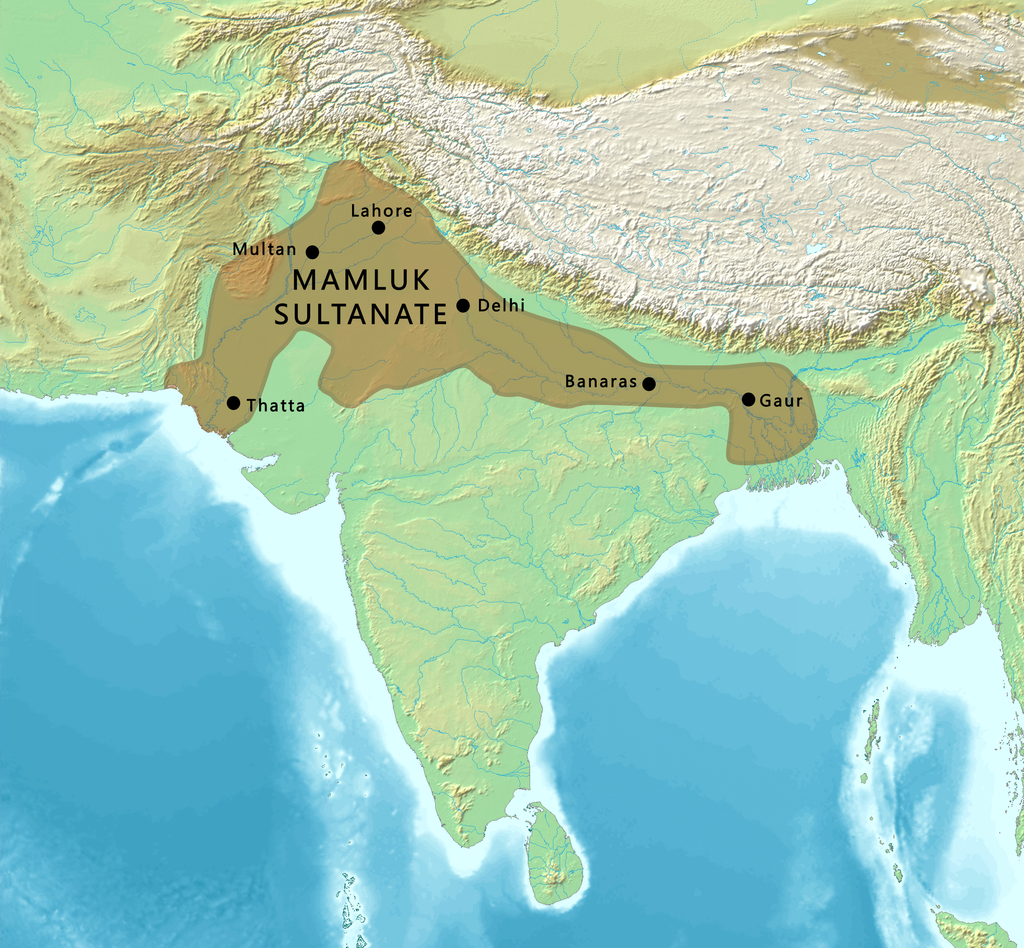
Qutb al-Din Aibak's Delhi Sultanate and the Slave Dynasty in Indian Subcontinent
Pakistan
4 min read
Updated By: History Editorial Network (HEN)
Published:
In the early 13th century, Qutb al-Din Aibak, a prominent military commander of the Ghurid Empire, seized control of Delhi, establishing the Delhi Sultanate and beginning the Slave Dynasty in the Indian subcontinent. This marked the start of a significant chapter in the region's history, as the Sultanate expanded its rule over parts of present-day Pakistan, further consolidating its power.
Aibak's reign as the first Sultan of Delhi saw the introduction of Turkish influence in the region, shaping the architectural and cultural landscape of the subcontinent. Under his leadership, prominent historical landmarks like the Qutb Minar were constructed, reflecting the fusion of Islamic and Indian architectural styles. The Sultanate under the Slave Dynasty fostered a period of societal and economic development, with advancements in trade and agriculture contributing to the region's prosperity.
The establishment of the Delhi Sultanate by Qutb al-Din Aibak had a lasting impact on the Indian subcontinent, laying the groundwork for subsequent dynasties and shaping the political dynamics of the region for centuries to come. The Slave Dynasty's rule laid the foundation for the Sultanate's future growth and expansion, setting the stage for future rulers to assert their influence over the vast and diverse territories under their control.
This event signifies a pivotal moment in the history of the Indian subcontinent, highlighting the enduring legacy of Qutb al-Din Aibak and the Slave Dynasty in shaping the cultural, architectural, and political landscape of present-day Pakistan and beyond. #DelhiSultanate #SlaveDynasty #QutbAlDinAibak #PakistanHistory
Primary Reference
Delhi Sultanate - Wikipedia

Explore the Life Moments of
 AI Twin