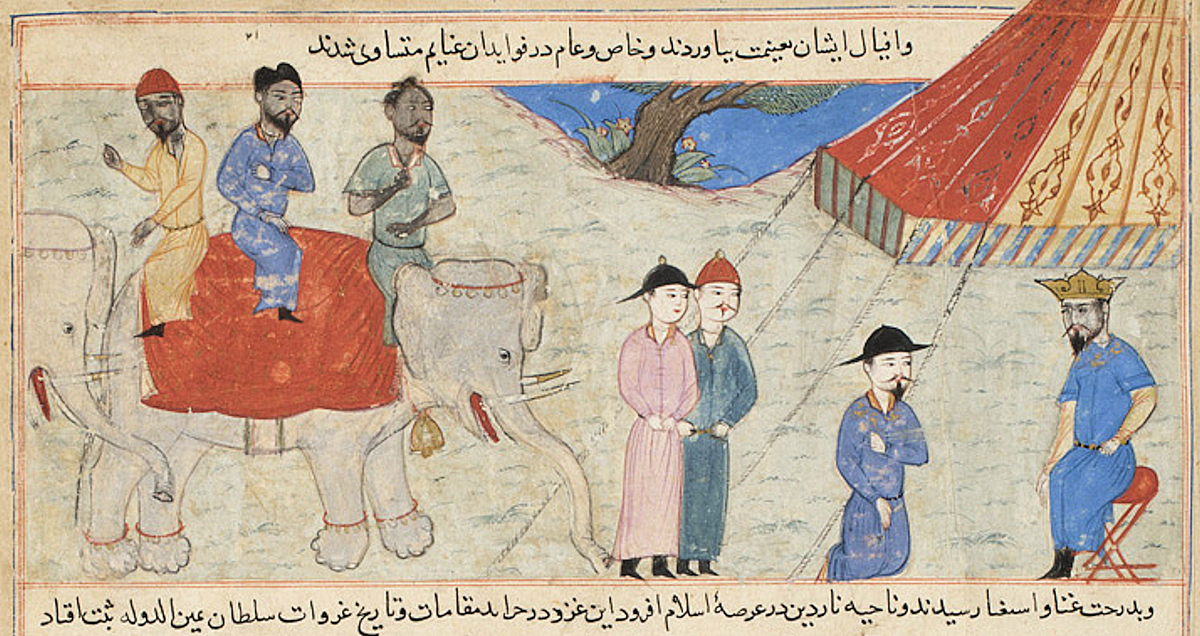
Mahmud of Ghazni: Arrival & Ghaznavid Rule in Indian Subcontinent
Pakistan

Cultural Exchange
4 min read
Updated By: History Editorial Network (HEN)
Published:
In the early 11th century, Mahmud of Ghazni, a formidable ruler from present-day Afghanistan, embarked on a series of invasions into the Indian subcontinent, aiming to expand his empire and acquire wealth. His arrival in the region marked the beginning of the Ghaznavid rule, which had a profound impact on the Indian subcontinent.
Mahmud of Ghazni's military campaigns saw the plundering of numerous cities and temples, most notably the iconic Somnath Temple in Gujarat. These incursions not only resulted in the accumulation of immense riches for Mahmud and his empire but also left a lasting imprint on the socio-political landscape of the subcontinent. The Ghaznavid rule ushered in a period of cultural exchange, with the introduction of Persian influences in art, architecture, and governance.
The Ghaznavid dynasty's reign in the Indian subcontinent lasted for several centuries, with subsequent rulers continuing Mahmud's legacy of conquest and consolidation. This era saw the flourishing of Indo-Islamic architecture and the establishment of new trade routes that connected the region with Central Asia and the Middle East.
The arrival of Mahmud of Ghazni in the Indian subcontinent not only altered the course of history in the region but also set the stage for future dynasties to assert their dominance. The Ghaznavid rule brought about a fusion of cultures and ideas, shaping the cultural identity of present-day Pakistan and its surrounding regions.
#MahmudofGhazni #GhaznavidRule #IndianSubcontinent #CulturalExchange #IndoIslamicArchitecture #DynasticHistory #PakistanHistory
Primary Reference
Muslim conquests in the Indian subcontinent - Wikipedia

Explore the Life Moments of
 AI Twin