Pakistan's Nuclear Testing Milestone
Pakistan

Political
Security
4 min read
Updated By: History Editorial Network (HEN)
Published:
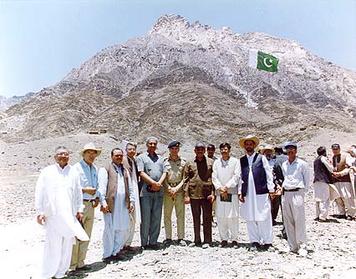
In history, Pakistan successfully conducted a series of nuclear tests, marking its entry into the exclusive club of nuclear powers. The decision to conduct the tests was influenced by security threats and regional tensions, particularly with neighboring India. The tests were carried out in response to India's nuclear tests, highlighting the nuclear arms race between the two countries.
Pakistan's emergence as a nuclear power had far-reaching consequences, impacting regional and global dynamics. It altered the security landscape in South Asia, leading to increased military tensions between India and Pakistan. The international community responded with condemnation and concerns over nuclear proliferation, urging both countries to exercise restraint and engage in dialogue to prevent a nuclear conflict.
The nuclear tests sparked debates on nuclear deterrence, security doctrines, and non-proliferation efforts. Pakistan's nuclear capabilities were seen as a deterrent against potential aggression, while also raising concerns about the risks of nuclear escalation. The event underscored the importance of nuclear non-proliferation agreements and the need for diplomatic solutions to regional conflicts.
In the aftermath of the tests, Pakistan faced economic sanctions and diplomatic isolation, but also received domestic support for achieving nuclear capability. The event shaped Pakistan's national identity and strategic posture, emphasizing the role of nuclear weapons in its security strategy. Despite the controversies and challenges, Pakistan's nuclear status remains a significant aspect of its foreign policy and national security.
#Pakistan #nuclear #security #SouthAsia #diplomacy #nonproliferation #conflict #deterrence

Explore the Life Moments of
 AI Twin