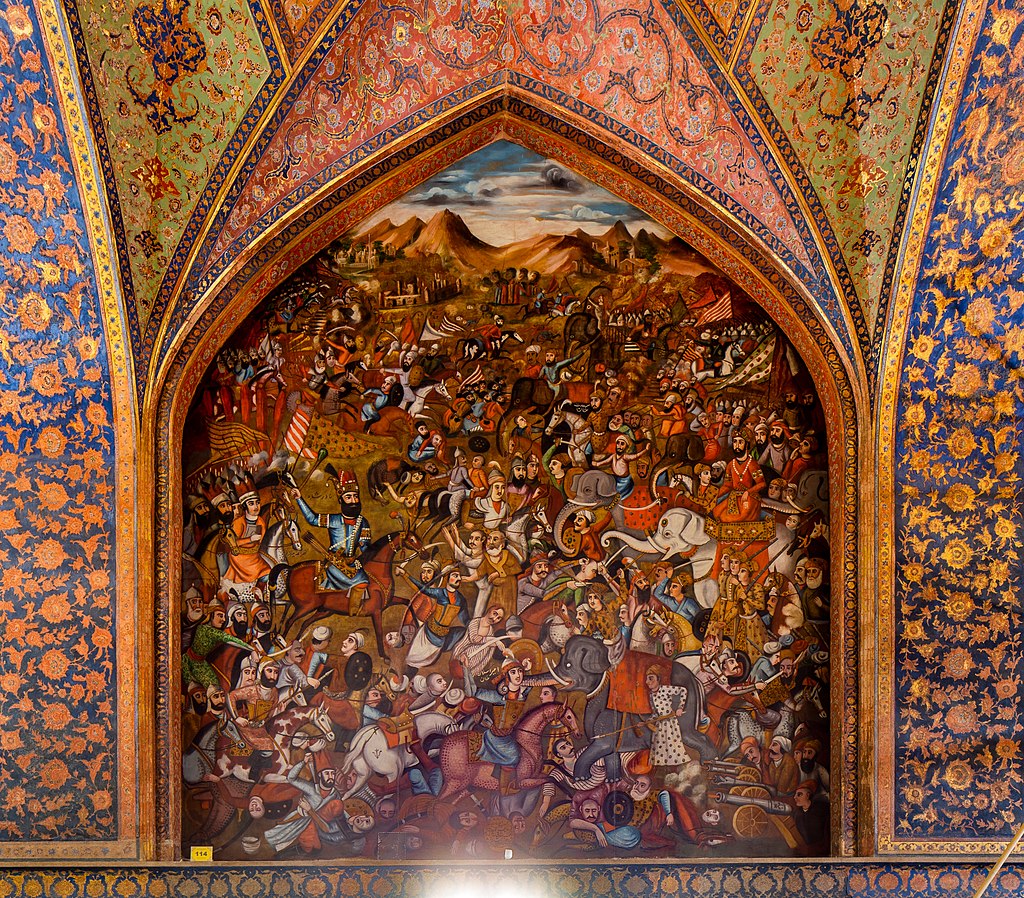
Battle of Karnal: Persian Victory
Pakistan
Political
4 min read
Updated By: History Editorial Network (HEN)
Published:
In 1739, the Battle of Karnal unfolded, marking a significant clash between the Mughal Empire and the Persian Empire. The confrontation was a pivotal moment in the history of the region, with far-reaching consequences.
The Mughal Empire, once a formidable power in the Indian subcontinent, was in a state of decline due to internal strife and external pressures. In contrast, the Persian Empire, under the leadership of Nader Shah, was on the rise and seeking to expand its influence. The battle was a culmination of tensions between the two empires over territorial disputes and Mughal support for Nader Shah's enemies.
As the armies met on the battlefield, Nader Shah's forces demonstrated superior tactics and military prowess, leading to a decisive victory over the Mughal forces. The aftermath of the battle was devastating for the Mughal Empire, as they suffered heavy losses in terms of territory, wealth, and prestige. Nader Shah went on to plunder Delhi, seizing treasures and weakening the Mughal Empire even further.
The Battle of Karnal had a profound impact on the balance of power in the region. It marked the decline of the Mughal Empire as a dominant force and established the Persian Empire as a formidable player in South Asian politics. The plunder of Delhi by Nader Shah not only weakened the Mughal Empire but also had long-lasting effects on the economic and political landscape of the region.
Overall, the Battle of Karnal was a turning point in the history of the Indian subcontinent, with repercussions that reverberated for years to come. It underscored the importance of military strength and strategic alliances in shaping the destiny of empires in the region.
#BattleofKarnal #MughalEmpire #PersianEmpire #NaderShah #Decline #Consequences #TurningPoint

Explore the Life Moments of
 AI Twin