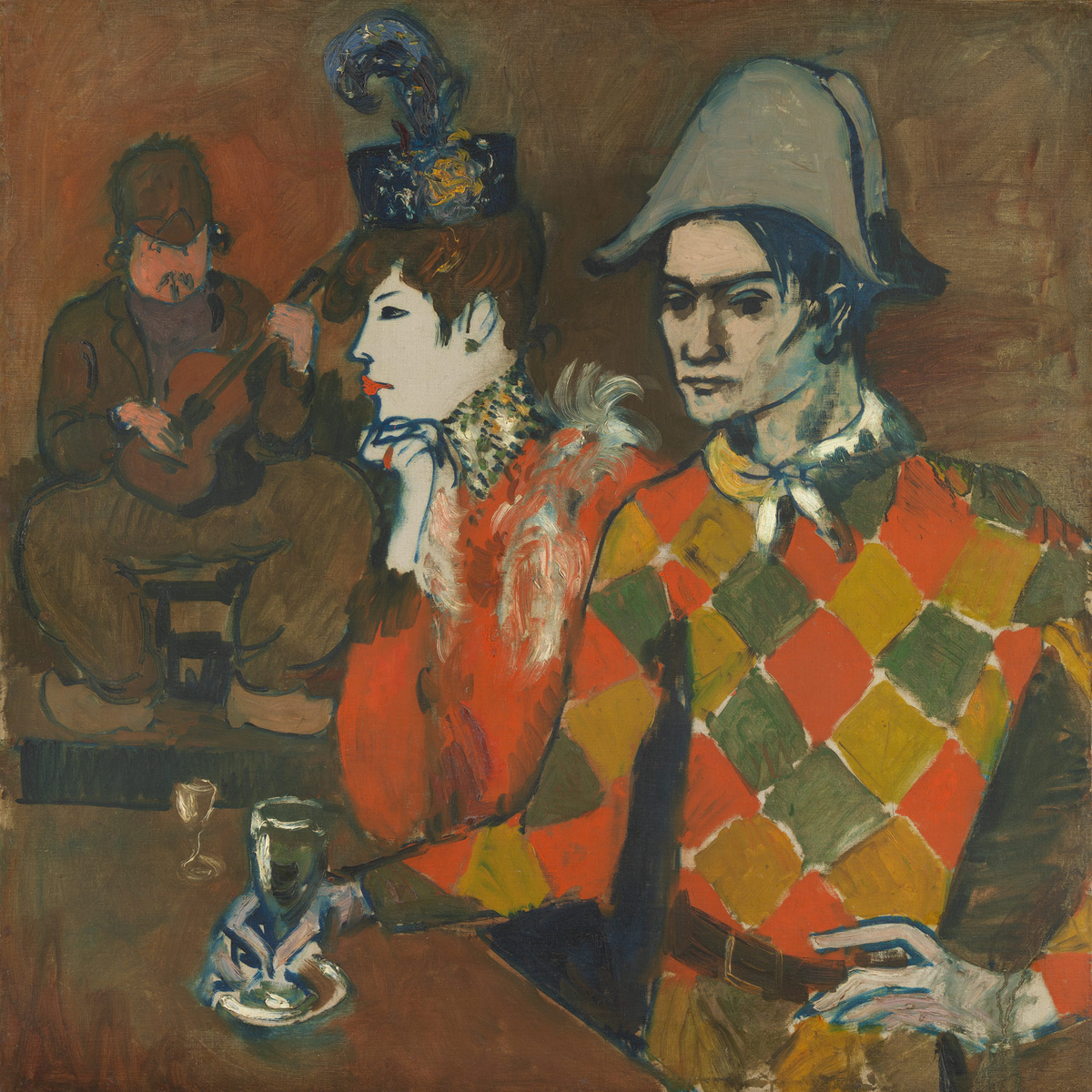
Transition from Blue to Rose Period: Picasso's pivotal painting at Au Lapin Agile.
Spain
Art
Culture
4 min read
Updated By: History Editorial Network (HEN)
Published:
Pablo Picasso's painting of Au Lapin Agile marked a pivotal point in his artistic career. The work reflected his transition from the Blue Period to the Rose Period. The Blue Period was characterized by somber tones and melancholic subjects, largely influenced by the artist's personal struggles and observations of those living on society's margins. In contrast, the Rose Period saw a shift to warmer hues and more cheerful themes.
Picasso's time at Au Lapin Agile, a Parisian cabaret located in Montmartre, played a significant role in this transition. The cabaret was a hub for artists, writers, and musicians, fostering a dynamic exchange of ideas and creativity. It was here that Picasso garnered inspiration, moving towards themes of circus performers, acrobats, and harlequins, which became prominent in his Rose Period works.
The painting itself depicted the lively atmosphere of Au Lapin Agile, featuring the artist himself as the harlequin—a frequent subject in his Rose Period paintings. This self-representation indicated his own immersion in the bohemian culture of Montmartre. The Rose Period marked a departure from his earlier, darker works, signifying both personal and artistic transformation.
Picasso’s work from this period received critical acclaim, cementing his reputation in the art world. The stylistic shift not only broadened his appeal but also laid the groundwork for future innovations, including the development of Cubism. This period saw a higher valuation of his works in the art market, reflecting increased demand and recognition.
#Picasso #RosePeriod #ArtHistory #Montmartre #ParisianArtScene #MoofLife
Primary Reference
Cubism and Fauvism Research Summary – OCA Art History 1 ...
Explore the Life Moments of
 AI Twin