Pablo Picasso's Early Life and Artistic Influence in Málaga, Spain
Spain
Art
4 min read
Updated By: History Editorial Network (HEN)
Published:
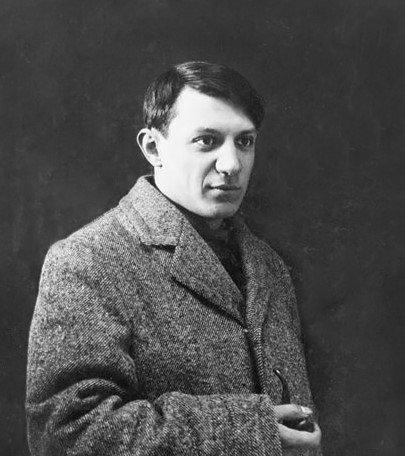
In Málaga, Spain, Pablo Picasso entered the world, the first child of Don José Ruiz y Blasco, an artist and art teacher, and María Picasso y López. His birthplace was a city known for its historical and cultural significance. The family’s home environment, enriched with artistic influence, played a pivotal role in shaping Picasso’s early exposure to art.
Don José's work as an art instructor provided young Pablo with access to formal training and materials from an early age. By the time he was seven, Picasso was already receiving art lessons from his father, who was reputedly a strict and traditional teacher. These early lessons laid the groundwork for Picasso's later innovations in the art world.
Pablo Picasso would go on to become one of the most influential artists of the 20th century, co-founding the Cubist movement and making significant contributions to Surrealism and Symbolism. Over his lifetime, he created approximately 13,500 paintings, 100,000 prints and engravings, 34,000 illustrations, and 300 sculptures and ceramics. His diverse body of work not only reflected his prodigious talent but also his relentless drive to explore different artistic styles and forms.
Picasso’s early artistic environment and his parents' support were instrumental to his development, eventually leading to a profound impact on modern art and culture. His innovations in art techniques and his role in various artistic movements made him a seminal figure in art history.
#PabloPicasso #ArtHistory #MoofLife #MálagaSpain #CulturalImpact #ArtisticLegacy #Cubism
Primary Reference
Picasso, Pablo: 1881-1973: Artist | Encyclopedia.com
Explore the Life Moments of
 AI Twin