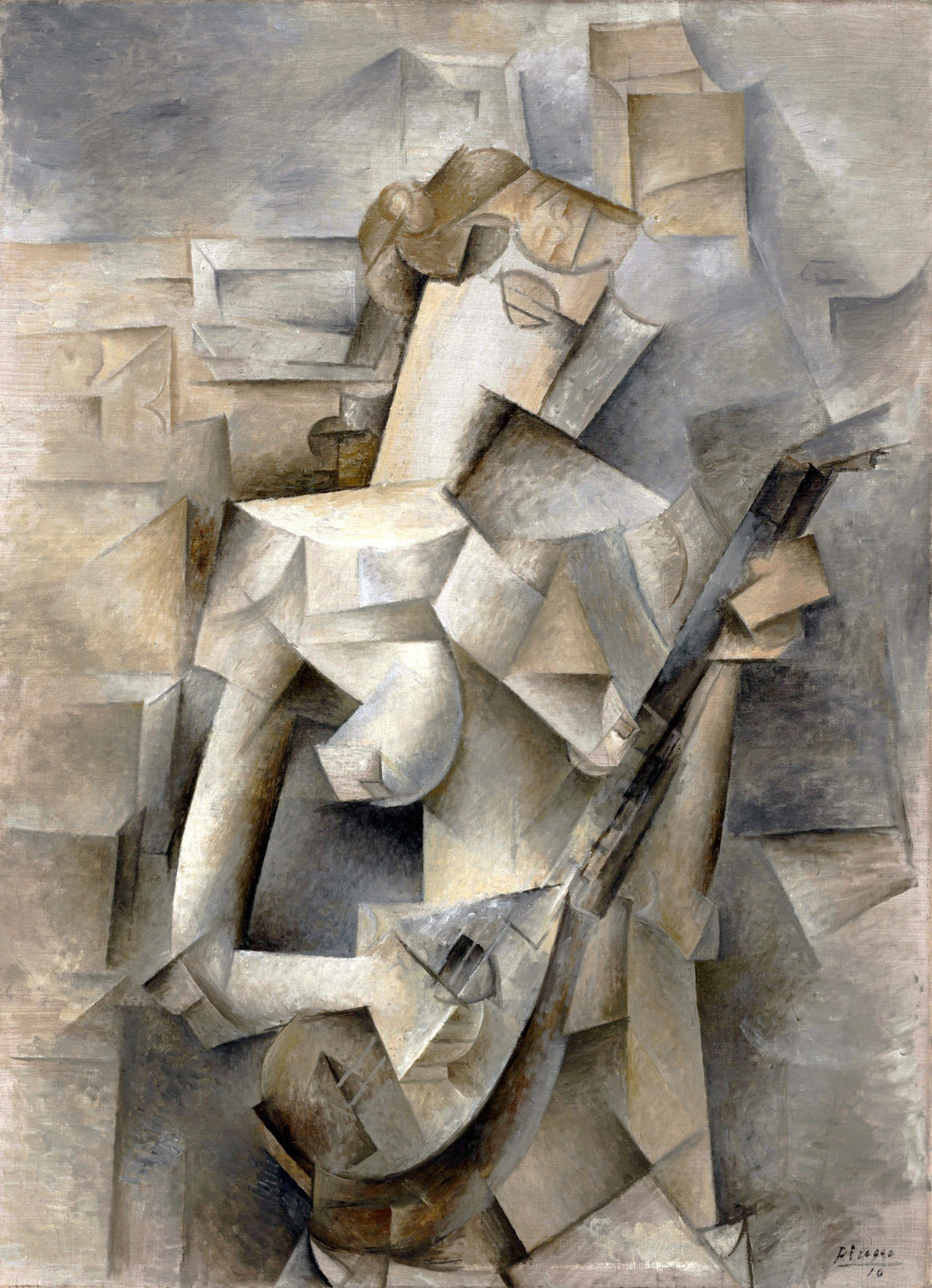
Pablo Picasso's "L'Homme aux cartes": Transformative Cubist masterpiece challenges traditions in art.
Spain
Art
Modern Art
3 min read
Updated By: History Editorial Network (HEN)
Published:
Pablo Picasso's creation of "L'Homme aux cartes" (Card Player) marked a transformative event in the art world. The painting emerged in a period of intense experimentation for Picasso, coinciding with the height of the Cubist movement, which he co-pioneered alongside Georges Braque. The painting diverged from traditional representation, employing fragmented and abstract forms to represent a man engaged in the act of playing cards.
"L'Homme aux cartes" made a significant contribution to modern art by challenging conventional perceptions of time and space in visual representation. Its geometric composition exemplified Cubism's analytical approach, breaking down the subject into a series of planes and angles. The artwork became a part of the collection at the Museum of Modern Art in New York, one of the leading institutions supporting contemporary art.
Upon its display, the painting stimulated discourse among critics and enthusiasts about the nature and future of art. It reflected the broader socio-cultural shifts of the early 20th century as artists sought to transcend the limitations of realistic portrayal and explore new dimensions of human experience. The presence of such avant-garde work within a prominent museum's collection further cemented Picasso's influence and elevated the status of Cubism in the global art scene.
#PabloPicasso #Cubism #ArtMovement #ModernArt #MoMA #MoofLife
Primary Reference
Pablo Picasso. Card Player. Paris, winter 1913-14 | MoMA
Explore the Life Moments of
 AI Twin