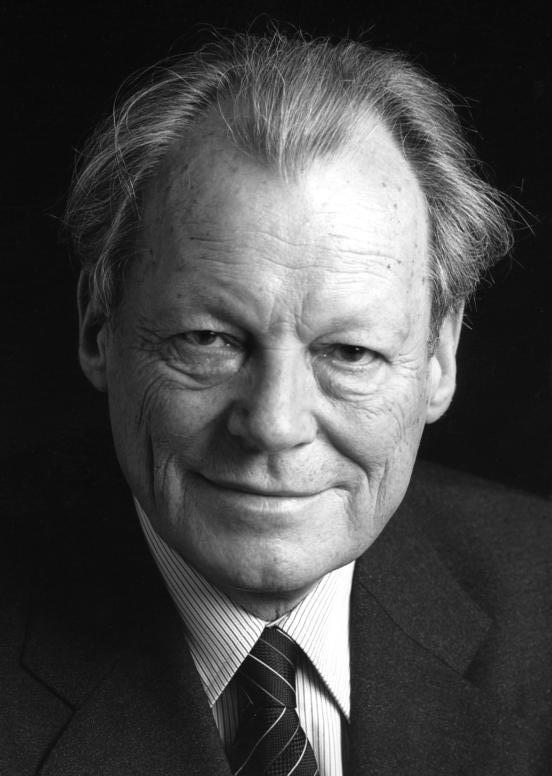
Nobel Peace Prize winner Willy Brandt's "Ostpolitik" eased Cold War tensions in Europe.
Sweden
Political
Global Trade
4 min read
Updated By: History Editorial Network (HEN)
Published:
Willy Brandt, then Chancellor of West Germany, was awarded the Nobel Peace Prize for his efforts to bridge the divide between East and West during the Cold War. His "Ostpolitik" policy emphasized open dialogue and cooperation with Eastern Bloc countries, aiming to reduce tensions and promote peace in Europe. This policy marked a significant shift from previous West German strategies that were more confrontational towards the Communist East.
One of Brandt's key achievements under "Ostpolitik" was the signing of the Treaty of Moscow and the Treaty of Warsaw. These treaties acknowledged existing borders between Germany and Poland, and the Soviet Union, promoting mutual recognition and a commitment to peaceful resolution of conflicts. By fostering direct communication channels and détente, Brandt's diplomatic initiatives eased the strained relations between NATO allies and Warsaw Pact nations.
Brandt's approach enabled a thaw in Cold War dynamics, significantly benefiting international relations. His work facilitated the eventual broader processes of détente that culminated in the Helsinki Accords, which further bolstered peace and stability across Europe. The Nobel Committee recognized Brandt for his practical steps towards easing global tensions and his role in fostering a more harmonious international environment.
The award highlighted the importance of dialogue and negotiation in achieving lasting peace, and Brandt's diplomatic efforts left a lasting legacy in East-West relations. His recognition by the Nobel Committee underscores the impact strategic diplomacy can have on global affairs.
#NobelPeacePrize #WillyBrandt #Ostpolitik #ColdWarDiplomacy #EastWestRelations #InternationalPeace #MoofLife
Primary Reference
Willy Brandt – Facts - NobelPrize.org
Explore the Life Moments of
 AI Twin