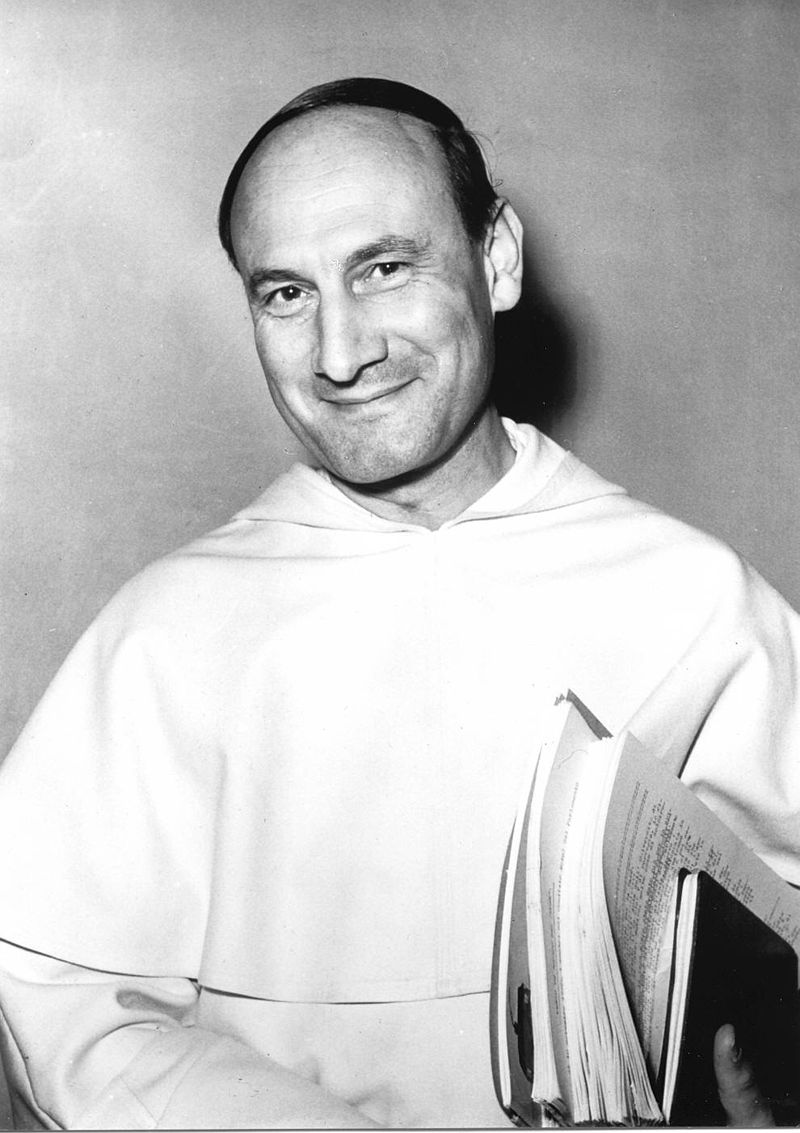
Georges Pire: Nobel Peace Prize winner for aiding refugees post-WWII; promoting self-sufficiency and dignity.
Sweden
Social
Humanitarian
4 min read
Updated By: History Editorial Network (HEN)
Published:
Georges Pire, a Belgian Dominican friar, was recognized with the Nobel Peace Prize for his substantial contributions to assisting post-WWII refugees. Pire dedicated his efforts to helping these displaced individuals transition from refugee camps to lives of autonomy and respect. His initiatives focused on providing practical support and resources, facilitating resettlement, and ensuring social integration. Pire’s work directly impacted the lives of many European refugees by offering them opportunities for education, employment, and housing, which were essential for their reintegration into society.
Through his organization, Aid to Displaced Persons, he implemented projects that built small villages, schools, and homes for refugees. Leveraging international cooperation and funding, his projects symbolized hope and tangible assistance. Pire’s approach centered on fostering human dignity and self-sufficiency, rather than mere temporary relief. His pragmatic and structured assistance programs highlighted the importance of long-term solutions in addressing the refugee crisis.
Notable outcomes of Pire's work include improved living conditions for thousands of displaced persons and a broader recognition of the need for durable refugee solutions among global policymakers. Pire’s efforts helped transform international perspectives on refugee assistance, emphasizing the necessity of helping refugees rebuild stable, independent lives. His enduring legacy is reflected in subsequent refugee aid policies and practices globally.
#NobelPeacePrize #RefugeeAssistance #HumanDignity #SocialIntegration #GeorgesPire #HumanitarianEfforts #MoofLife
Primary Reference
The Nobel Peace Prize 1958 - Award ceremony speech ...
Explore the Life Moments of
 AI Twin