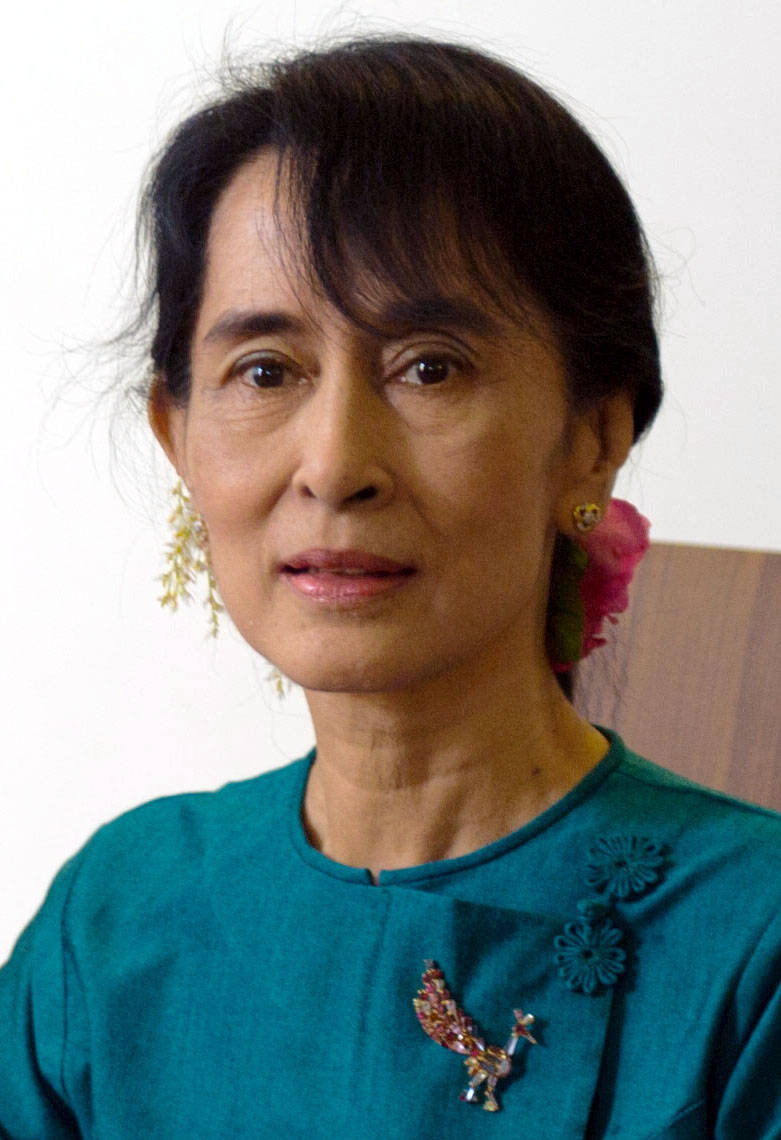
Aung San Suu Kyi's Nobel Peace Prize: Symbol of Myanmar's Democratic Struggle
Sweden
Political
Human Rights
3 min read
Updated By: History Editorial Network (HEN)
Published:
Aung San Suu Kyi, the Burmese opposition leader, was honored with the Nobel Peace Prize. This recognition highlighted her commitment to advocating for democracy and human rights in Myanmar through peaceful means. At the time, Myanmar was under a repressive military regime that severely limited political freedoms and civil liberties. Suu Kyi emerged as a key figure in the pro-democracy movement, leading the National League for Democracy (NLD).
Having been placed under house arrest multiple times, Suu Kyi's ability to inspire and mobilize people, despite her limited freedom, drew international attention. Her philosophy was deeply influenced by Mahatma Gandhi's principles of non-violent resistance.
The Nobel Committee noted her enduring struggle against dictatorship and her efforts to bring democracy to her country. This award significantly raised global awareness of Myanmar's political situation and increased international pressure on its military junta. The acknowledgment also provided moral support to activists within Myanmar fighting for democratic reforms.
The win did not immediately lead to political change in Myanmar, but it played a crucial role in sustaining the international community's focus on the country's human rights issues. This moment was a pivotal point in galvanizing support for Myanmar’s democracy movement.
#NobelPeacePrize #DemocraticStruggle #HumanRights #NonViolence #AungSanSuuKyi #PoliticalChange #Myanmar #MoofLife
Primary Reference
Aung San Suu Kyi – Facts - NobelPrize.org
Explore the Life Moments of
 AI Twin