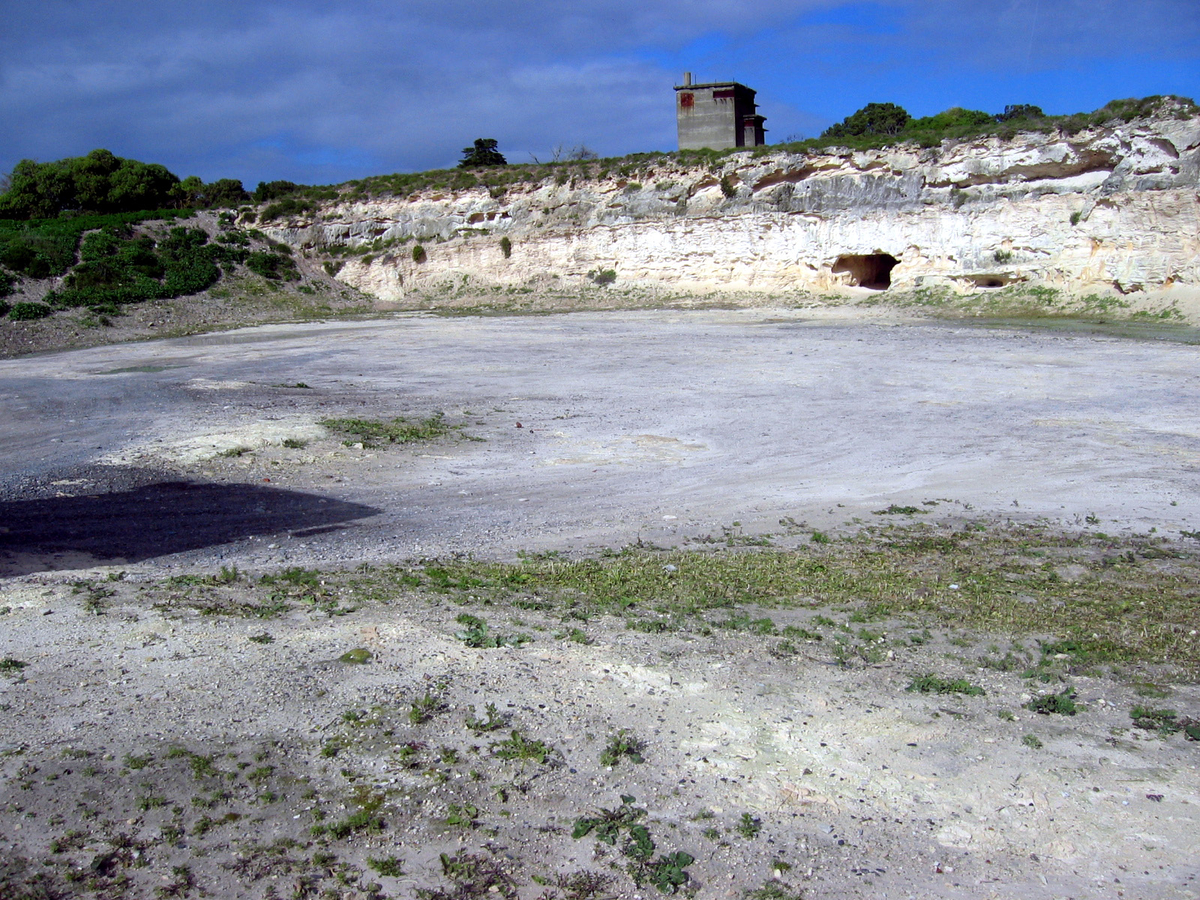
Mandela and his co-accused were transferred from Pretoria to the prison on Robben Island
United States
6 min read
Updated By: History Editorial Network (HEN)
Published:
Updated:
Mandela and his co-accused were tranIn June 1964, Nelson Mandela and several of his co-accused from the Rivonia Trial were transferred from Pretoria to the maximum security prison on Robben Island following their conviction and sentencing by the apartheid government of South Africa. The transfer marked the beginning of a lengthy period of imprisonment for many of the country's most prominent anti-apartheid leaders.
On 11/06/1964, Judge Quartus de Wet found Mandela and several members of the African National Congress (ANC) and Umkhonto we Sizwe (MK) guilty of sabotage and related charges during the Rivonia Trial. On 12/06/1964, Mandela, Walter Sisulu, Govan Mbeki, Ahmed Kathrada, Raymond Mhlaba, Elias Motsoaledi and Andrew Mlangeni were sentenced to life imprisonment. Denis Goldberg, the only white defendant convicted in the case, was sent to Pretoria Central Prison because apartheid prison regulations separated prisoners by race.
Following the sentencing, Mandela and his fellow prisoners were transported from Pretoria to Robben Island, a prison located in Table Bay off the coast of Cape Town. Robben Island had become a key detention site for political prisoners under the apartheid regime. Mandela would spend approximately 18 years there before being transferred to Pollsmoor Prison in 1982. The prisoners were held under harsh conditions, subjected to hard labor, restricted communication with family members, and strict censorship. Many worked in the island's lime quarry, where prolonged exposure to the bright limestone caused lasting health problems, including damage to Mandela's eyesight.
The Rivonia Trial drew international attention and became one of the most closely watched political trials of the twentieth century. During the proceedings, Mandela delivered his famous "Speech from the Dock" on 20/04/1964, declaring his commitment to a democratic and nonracial South Africa. Although prosecutors sought severe punishment, the defendants avoided the death penalty and instead received life sentences. Their imprisonment turned Robben Island into a globally recognized symbol of resistance to apartheid.
Historical Significance
The transfer of Mandela and his co-accused to Robben Island removed several leading figures of the anti-apartheid movement from public life, but it did not end opposition to apartheid. Over the following decades, their imprisonment became a focal point for international campaigns demanding political reform and the release of political prisoners in South Africa.
#NelsonMandela #RobbenIsland #RivoniaTrial #Apartheid #SouthAfrica #ANC #AhmedKathrada #WalterSisulusferred from Pretoria to the prison on Robben Island
Primary Reference
Nelson Mandela

Explore the Life Moments of
 AI Twin