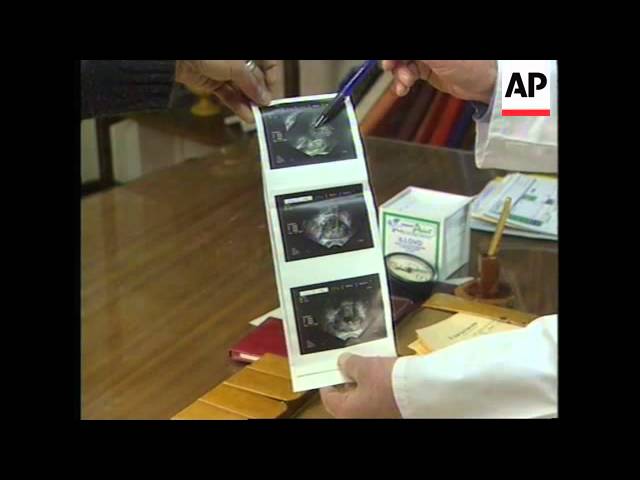
Mandela Diagnosed with Prostate Cancer
Johannesburg, South Africa
Health
Cancer
Biography
6 min read
Updated By: History Editorial Network (HEN)
Published:
Updated:
On 24/07/2001, the office of former South African President Nelson Mandela announced that the 83 year old anti apartheid leader had been diagnosed with prostate cancer. The announcement was made publicly in Johannesburg after doctors identified the condition during routine medical examinations. Mandela’s office stated that the cancer had been detected early and that he would begin treatment immediately.
The announcement attracted global attention because Mandela remained one of the world’s most recognized political and humanitarian figures even after leaving the South African presidency in 1999. At the time, Mandela had continued an active schedule involving charitable work, international diplomacy, and advocacy campaigns, particularly through the Nelson Mandela Foundation and humanitarian initiatives linked to children’s welfare and conflict resolution.
Mandela underwent radiation treatment following the diagnosis. His medical team indicated that the cancer was localized and manageable, and officials expressed confidence in the effectiveness of the treatment plan. Public updates from Mandela’s office reassured supporters that he remained in good spirits during the medical process. Despite his age, Mandela continued limited public activities while receiving treatment.
The diagnosis also contributed to increased public awareness surrounding prostate cancer, particularly among older men in South Africa and internationally. Media coverage of Mandela’s condition led to broader discussion about early screening and treatment, especially because Mandela chose to handle the diagnosis openly rather than privately. His willingness to publicly discuss serious health issues later became even more visible during his HIV/AIDS advocacy work in the 2000s.
International leaders, supporters, and organizations sent messages of encouragement following the announcement. Mandela’s stature as a symbol of reconciliation and democratic transition meant that news about his health was followed closely across the world. The diagnosis came during a period when he remained heavily involved in global humanitarian efforts despite gradually reducing some of his public commitments after retirement from the presidency.
Mandela responded well to treatment and continued participating in selected public initiatives in the years that followed. His recovery allowed him to remain active in humanitarian causes, including peace initiatives, educational programs, and campaigns addressing HIV/AIDS and poverty across Africa.
Why This Moment Matters :
Mandela’s public disclosure of his prostate cancer diagnosis reflected his broader approach to leadership through openness and public engagement. The announcement also helped bring wider attention to cancer awareness and early detection while demonstrating Mandela’s continued public influence years after leaving political office.
#mooflife
#MomentOfLife
#NelsonMandela
#ProstateCancer
#HealthAwareness
#Hiv/aidsCampaign
#Men'sHealth
Primary Reference
Nelson Mandela

Explore the Life Moments of
 AI Twin