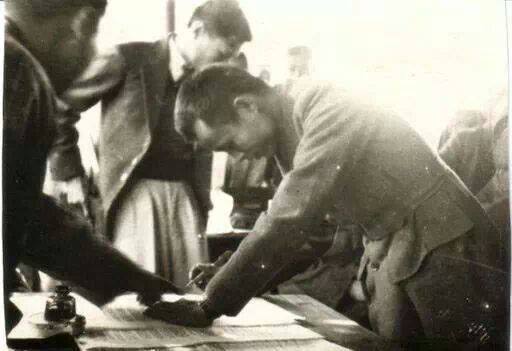
Aung San's Agreement for a Unified Burma with Ethnic Minorities
Myanmar
Politics
Burma
3 min read
Updated By: History Editorial Network (HEN)
Published:
Updated:
The Panglong Conference marked a pivotal moment in the history of Burma, where Aung San, a prominent leader, successfully negotiated an agreement with various ethnic minority groups. This conference brought together key figures such as U Aung Zan Wai, U Pe Khin, Myoma U Than Kywe, Major Aung, Sir Maung Gyi, and Dr. Sein Mya Maung, who played crucial roles in the discussions. The agreement aimed to establish a unified Burma, recognizing the rights and autonomy of ethnic minorities within the framework of a single nation. This was a significant step towards national unity, as it acknowledged the diverse ethnic landscape of the country and sought to address the concerns of various groups regarding governance and representation.
The impact of the Panglong Agreement has been profound, shaping the political landscape of Burma for decades. It laid the groundwork for the formation of the Union of Burma, which aimed to create a federal structure that would allow for greater self-determination among ethnic groups. However, the implementation of the agreement faced numerous challenges, leading to ongoing tensions and conflicts in the region. The aspirations for unity and equality among the ethnic minorities remain a critical issue in contemporary Burmese politics, as the legacy of the Panglong Conference continues to influence discussions on federalism and ethnic rights in the country.
#mooflife
#MomentOfLife
#AungSan
#PanglongConference
#Burma
#EthnicMinorities
#UnionDay

Explore the Life Moments of
 AI Twin