Saint Paul's shipwreck: arrival and misfortune
Malta

Religious
5 min read
Updated By: History Editorial Network (HEN)
Published:
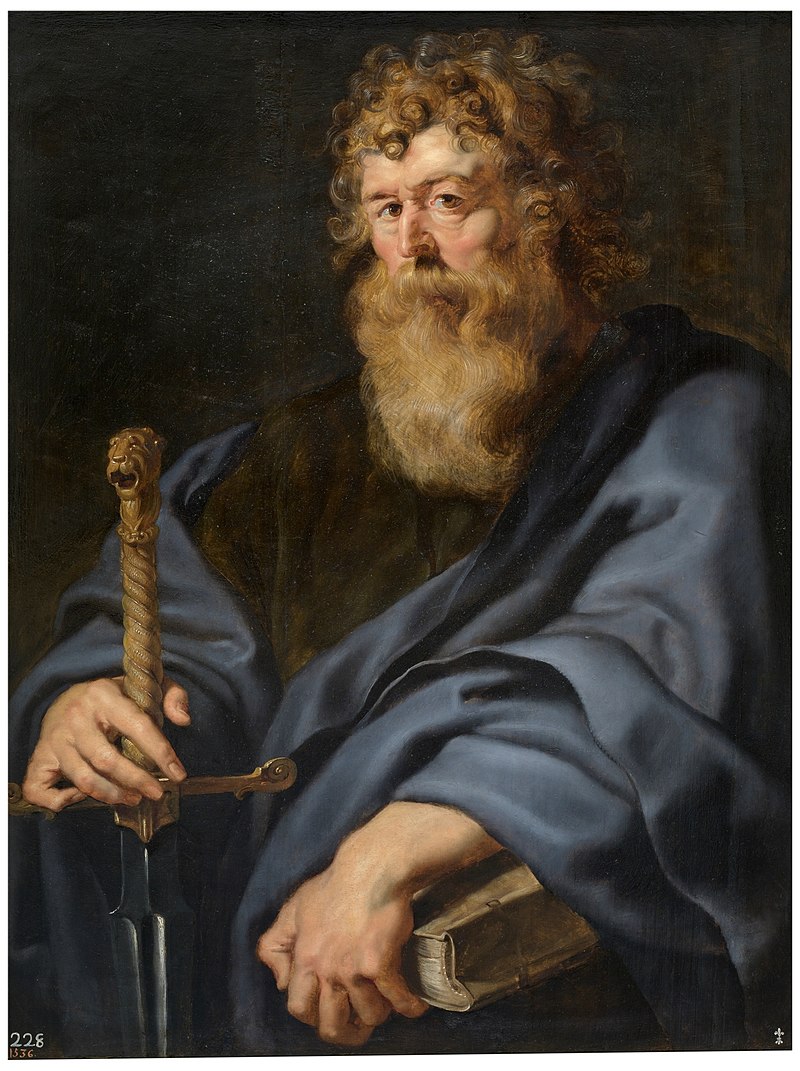
Saint Paul, a pivotal figure in early Christianity, experienced a notable maritime incident during his voyage to Rome. While aboard an Alexandrian ship, navigating a perilous journey as a prisoner bound for trial, his ship encountered an intense storm in the Mediterranean. After two weeks of being adrift, the vessel was eventually driven ashore on the island known today as Malta.
Eyewitness accounts, documented in the Acts of the Apostles, detail how Paul's leadership and composed demeanor played a crucial role during the crisis. As the ship struck a sandbar and started breaking apart, Paul urged everyone onboard, totaling 276 individuals, to stay together and ensured their subsequent safe swim or float to shore.
Upon landing, the islanders, referred to as the Maltese, showed remarkable hospitality to the survivors, offering warmth and aid. During their time on the island, a remarkable event further solidified Paul's influence and the spread of Christianity. When Paul was bitten by a viper but exhibited no ill effects, the islanders initially saw him as a deity. Though Paul refuted this, the incident led many to listen to his teachings and convert, contributing to Malta’s early Christian heritage.
Paul's stay on Malta lasted three months during which he also performed a series of healings, including curing Publius, the chief official of the island, from a fever. These acts increased the reverence towards Paul and helped integrate Christian principles among the local population.
The impact of Paul's shipwreck on Malta is profoundly rooted in Maltese culture and religious history. The event is commemorated through various traditions, places of worship, and is considered a cornerstone in the introduction of Christianity to the island.
Today, this episode remains integral to Malta’s identity, celebrated annually and studied for its historical and religious significance. Key themes from this event include resilience, leadership, faith, and the fusion of cultures.
#MaritimeIncident #PaulInMalta #FaithAndHistory #CulturalIntegration #MoofLife
Primary Reference
Maltese History Timeline - Important Dates & People - On This Day

Explore the Life Moments of
 AI Twin