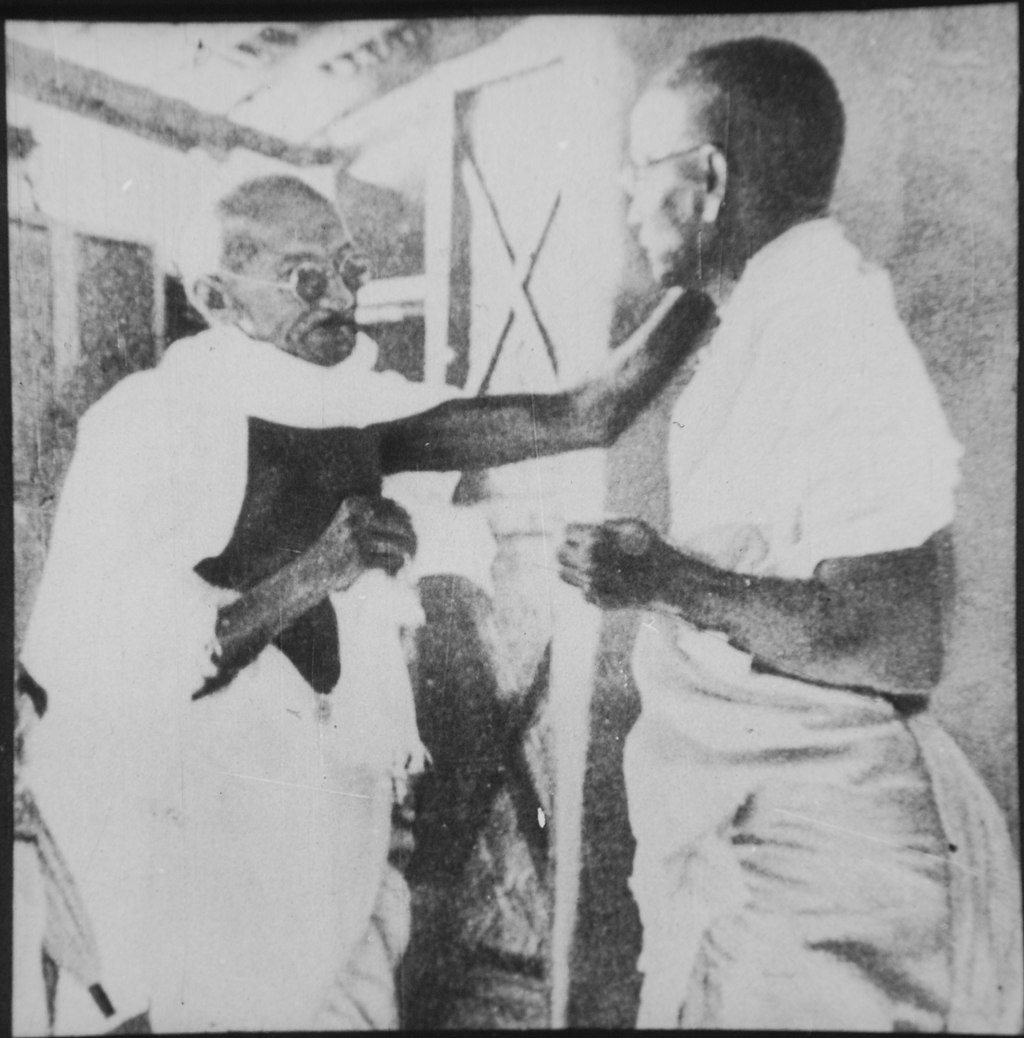
Vinoba Chosen as First Individual Satyagrahi
India
Political
6 min read
Updated By: History Editorial Network (HEN)
Published:
During a crucial period in India's struggle for independence, Mahatma Gandhi introduced the concept of Individual Satyagraha, a method of nonviolent resistance. This decision was made in response to the pressing need to challenge British authority without resorting to mass civil disobedience, which Gandhi believed could lead to widespread violent reprisals.
To set the motion, Gandhi meticulously selected the first individual satyagrahi whose actions would encapsulate the essence of this nonviolent resistance. Vinoba Bhave, a dedicated follower of Gandhi and a profound advocate of nonviolence, was chosen. Bhave's selection was not solely based on his adherence to the principles of satyagraha but also on his commitment to upholding peace and truth under any circumstance.
Vinoba Bhave's role was to act as the voice of a restrained yet firm opposition to British rule. His intention was to convey, through peaceful demonstration, the Indian populace’s discontent with the colonial government's policies and actions, especially those impinging on civil liberties. Bhave's choice demonstrated a strategic approach to nonviolent protest, aiming to provoke thought within the colonial establishment and among Indians about the moral imperative for self-rule.
The impact of Bhave stepping forward as the first individual satyagrahi had several dimensions. It highlighted the strength of moral force over physical force, gained international attention, and underlined the resolve of Indian leaders to pursue their objectives through nonviolent means. His arrest, inevitable under the British regime's laws, was anticipated to inspire further acts of peaceful resistance. Consequently, the movement saw the engagement of other prominent individuals who carried forward the message through their own satyagrahas, creating a ripple effect across the nation.
Statistically, the Individual Satyagraha did not involve mass arrests or widespread unrest but marked numerous personal, nonviolent protests. Each arrest served to illustrate the extent of commitment to the cause, enhancing the legitimacy and moral standing of the Indian freedom movement.
This strategic method of resistance reinforced the underlying principles of Gandhi's broader strategy to attain independence through peace. By choosing Vinoba Bhave, Gandhi also underscored his continual focus on inner strength and ethical conduct as vehicles of change.
#Nonviolence #Satyagraha #IndianIndependence #VinobaBhave #MahatmaGandhi #MoofLife
Explore the Life Moments of
 AI Twin