Arrest of Gandhiji and Shankerlal Banker
India
Political
6 min read
Updated By: History Editorial Network (HEN)
Published:
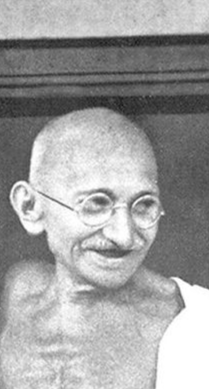
The Indian independence movement under the leadership of Mahatma Gandhi was characterized by non-violent resistance and civil disobedience. On 10 March 1922, one pivotal incident dramatically marked this struggle: the arrest of Mahatma Gandhi and Shankerlal Banker. This event occurred against the backdrop of growing discontent with British colonial rule in India.
Mahatma Gandhi, a pivotal figure in the Indian independence movement, had launched several campaigns aimed at achieving self-rule or 'Swaraj'. Among them, the Non-Cooperation Movement had garnered widespread participation. This movement encouraged Indians to withdraw their support from British institutions and to boycott British goods. Shankerlal Banker, an ardent supporter and close associate of Gandhi, was actively involved in these efforts.
Following the Chauri Chaura incident, where a violent clash resulted in the deaths of police officers, Gandhi decided to call off the Non-Cooperation Movement. Despite this act of concession, the British authorities viewed the movement as a threat to their governance and aimed to suppress it by targeting its leaders. Gandhi and Banker were apprehended, and their subsequent arrests were based on accusations of sedition under Section 124A of the Indian Penal Code.
Gandhi was tried in the court at Ahmedabad, where, in a significant act of civil resistance, he accepted the charges against him. He used the trial as a platform to articulate his philosophy and the reasons behind his actions, emphasizing his commitment to non-violence and the moral imperative to oppose unjust laws. His statements during the trial found a resonance beyond the courtroom, further galvanizing the Indian population against colonial rule.
The arrest and trial of Gandhi and Banker had a profound impact. It highlighted the British government's harsh measures against peaceful protesters and solidified Gandhi's role as the moral leader of the independence movement. The campaign for India's freedom saw intensified efforts despite the suppression attempts by the British authorities.
The consequences of the arrests were felt widely. They led to increased global attention on India's struggle and served as a catalyst for future actions by freedom fighters across the country. Gandhi's non-violent resistance philosophy gained further credence, ultimately contributing to India’s eventual path to independence.
#Gandhiji #ShankerlalBanker #Arrests #NonCooperation #Swaraj #IndianIndependence #CivilDisobedience #MoofLife
Primary Reference
Gandhi Timeline - Life Chronology of Mahatma Gandhi
Explore the Life Moments of
 AI Twin