

About
#USPS
#UnitedStatesPostalService
#PostalService
#USMail
#MailHistory
#PostalHistory
#AmericanHistory
#USHistory
#PostOffice
#AmericanHeritage
#HistoryFacts
#OnThisDay
#MoofLife
Life Classification
Postal Service
Life ID
OL8917920342223
Verified Name
united-states-postal-service
Life Type
Organization Life
Founder(s)
U.S. federal government
Date of Founding
1971-Jul-01
Founded In :
Washington
Operating Status :
Operating
Life Editor(s)
History Editorial Network (HEN)
Life Privacy
Public
Subscription
Elite
Created On
2026-09-08
Updated On
2026-09-16
Profile Image
By United States Postal Service - United States Postal Service, Public Domain, https://commons.wikimedia.org/w/index.php
Cover Image
By File:US Postal Service Headquarters (53832134440).jpg: ajay_sureshderivative work: Georgfotoart - This file was deriv
Connect
Related Lives

Amazon
The World’s Largest Online Marketplace

Queen
A Kind of Magic

Alibaba Group
Connecting Commerce, Creating Change

Airbus
European Aerospace Corporation

IBM
Technology company

Arden Dies
Manufacturer of Die Cutting
Amazon
The World’s Largest Online Marketplace

Cadbury
Chocolate That Melts Hearts

2026
The U.S. Postal Service (USPS) has announced a planned increase in the price of First-Class Mail Forever stamps, which will rise from 78 cents to 82 cents. This decision follows a series of rate adjustments that have occurred since the Postal Regulatory Commission granted USPS greater authority to raise postage rates to meet its operational costs. The increase is part of a broader strategy to ensure the financial sustainability of the postal service amidst rising expenses and declining mail volumes. Between 2021 and 2023, USPS has implemented several rate hikes, reflecting ongoing challenges in maintaining service levels while managing financial pressures. The upcoming price change is expected to impact consumers and businesses that rely on First-Class Mail for communication and shipping needs, potentially leading to increased costs for mailing services across the board. As the USPS continues to adapt to changing market conditions, these adjustments in pricing are seen as necessary to support its operations and service commitments.
View details2024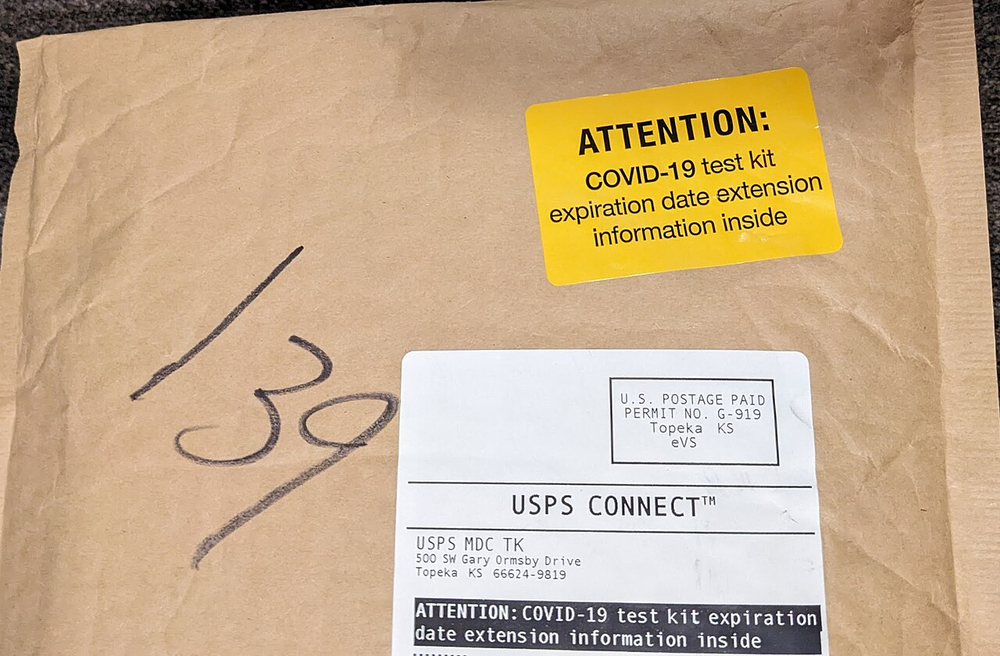
The distribution of free at-home COVID-19 tests has been a critical public health initiative aimed at increasing access to testing and controlling the spread of the virus. Initially launched in early 2022, the program saw the United States Postal Service (USPS) deliver approximately 380 million home test kits within the first few months. By the conclusion of the initial program, the USPS had successfully distributed over 1.8 billion test kits, significantly contributing to the nation's testing efforts. This widespread availability of tests allowed individuals to check for COVID-19 infections from the comfort of their homes, thereby facilitating timely isolation and reducing transmission rates. The program was particularly vital during surges in cases, as it provided a necessary resource for communities across the country.
View details2023
The opening of a new processing center in Gastonia, North Carolina, marks a strategic move by the Postal Service to enhance its operational efficiency. This facility spans 700,000 square feet and is part of a broader initiative to replace smaller, redundant processing centers across the region. The establishment of this center is expected to streamline mail processing and distribution, ultimately improving service delivery to customers. The Postal Service has been undergoing significant changes to adapt to evolving demands and to stabilize its workforce. Between October 2020 and September 2023, the organization converted 150,000 pre-career workers into full-time employees, reflecting its commitment to workforce stability and operational effectiveness. This new center is anticipated to play a crucial role in supporting these workforce changes and improving overall service capacity.
View detailsThe United States Postal Service (USPS) has significantly increased its package processing capacity, reaching approximately 70 million packages per day as of September 2023. This marks a notable rise from 53 million packages processed daily in 2021 and 60 million in 2022. The increase in processing capability is attributed to various strategic initiatives undertaken by the USPS, including the construction of new regional processing and distribution centers. In July 2022, the USPS announced plans to build 60 new facilities aimed at enhancing its operational efficiency and meeting the growing demand for package delivery services. This expansion is part of a broader effort to modernize the postal service and adapt to the evolving logistics landscape, particularly as e-commerce continues to thrive. The rise in package volume reflects changing consumer behaviors, with more individuals opting for online shopping, which has led to a surge in demand for reliable and efficient delivery services. The USPS's ability to process a higher volume of packages is crucial for maintaining its role as a key player in the logistics and delivery sector, especially during peak seasons when package volumes typically increase significantly.
View detailsThe United States Postal Service (USPS) made a significant change to its package delivery services by eliminating the First-Class Package Service and introducing the USPS Ground Advantage. This decision reflects a strategic shift in the USPS's approach to package delivery, aiming to streamline operations and reduce costs. The USPS Ground Advantage is designed to provide a more economical option for shipping packages, particularly for lightweight items that previously qualified for First-Class service. This change is part of a broader trend within the postal service to adapt to evolving market demands and competition from private carriers.
In addition to the elimination of the First-Class Package Service, the USPS has also reduced its reliance on air transportation for First-Class Mail letters and flats. This move is expected to lower operational costs and improve efficiency in the delivery process. The USPS has been facing financial challenges and increased competition, prompting the need for such adjustments. By focusing on ground transportation, the USPS aims to enhance its service reliability while managing expenses more effectively. The impact of these changes on customers and businesses that rely on USPS for shipping will be closely monitored as the new service structure is implemented.
View details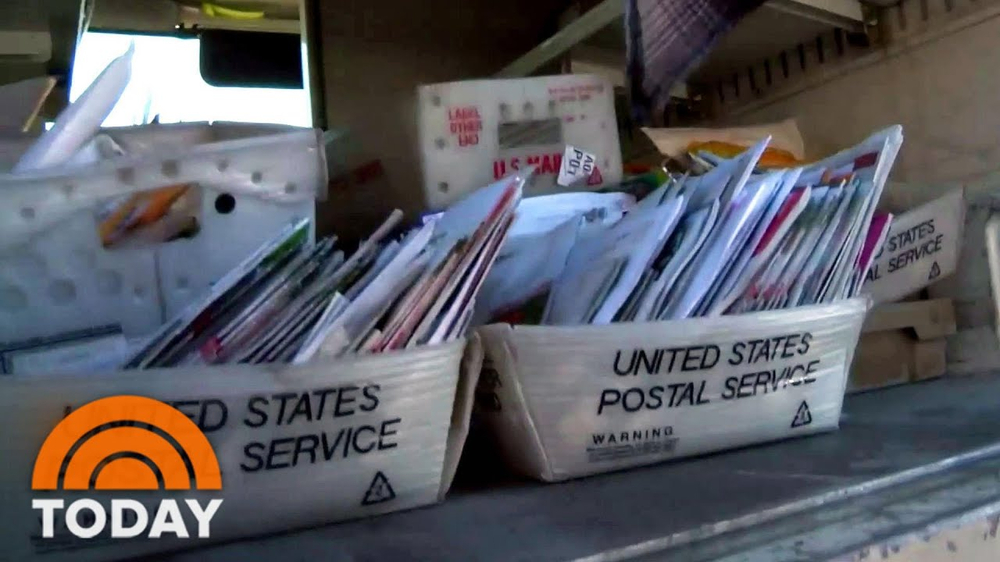
The United States Postal Service (USPS) reported a loss of $2.5 billion for the first quarter of the fiscal year, with around $500 million attributed to controllable costs. This financial setback highlights ongoing challenges faced by the agency, which has been grappling with declining mail volumes and rising operational expenses. The USPS has been under pressure to adapt to a changing landscape, where digital communication increasingly replaces traditional mail services. Despite these losses, the agency has made strides in addressing its long-term financial outlook, reducing projected ten-year losses from $160 billion to $70 billion. This adjustment reflects efforts to implement cost-saving measures and improve operational efficiency, although the path to financial stability remains complex and uncertain.
View details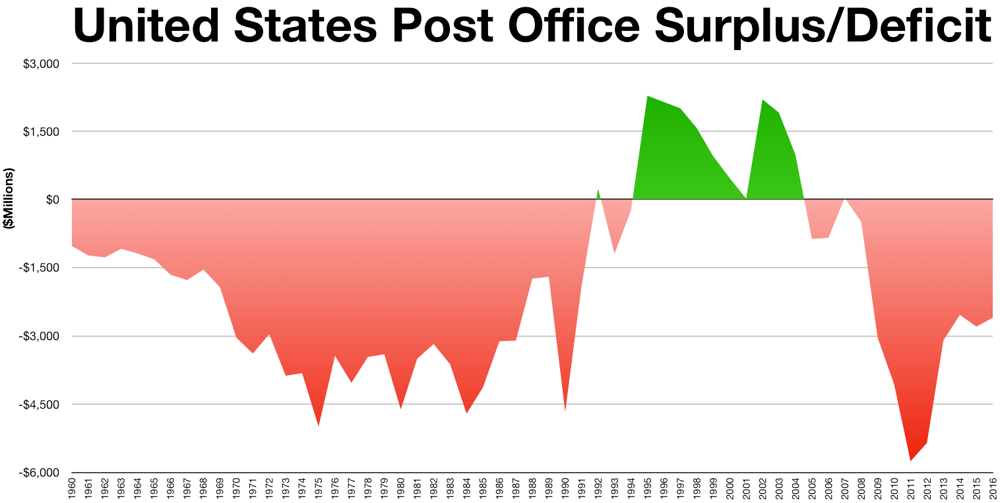
The United States Postal Service (USPS) has announced a transition to an all-electric delivery fleet, with plans to purchase only electric vehicles for its delivery trucks starting in 2026. This decision is influenced by several factors, including increasing scrutiny from the Environmental Protection Agency (EPA) and a related environmental lawsuit. The USPS aims to reduce its carbon footprint and align with broader environmental goals, responding to public and governmental pressure for more sustainable practices. The transition to electric vehicles is also supported by new funding from the Inflation Reduction Act, which allocates $3 billion specifically for the procurement of electric vehicles for the USPS. This funding is part of a larger initiative to promote clean energy and reduce greenhouse gas emissions across various sectors, including transportation.
The impact of this decision is expected to be significant, as the USPS operates one of the largest vehicle fleets in the United States. By shifting to electric vehicles, the USPS not only aims to decrease its operational emissions but also to set a precedent for other government agencies and private companies to follow suit. The move is anticipated to enhance the agency's efficiency and reduce long-term operational costs associated with fuel and maintenance. Furthermore, the transition aligns with national goals to increase the adoption of electric vehicles, contributing to a reduction in reliance on fossil fuels and promoting cleaner air. As the USPS embarks on this transition, it will likely face challenges related to infrastructure, such as the need for charging stations and maintenance facilities tailored for electric vehicles, but the long-term benefits are projected to outweigh these initial hurdles.
View details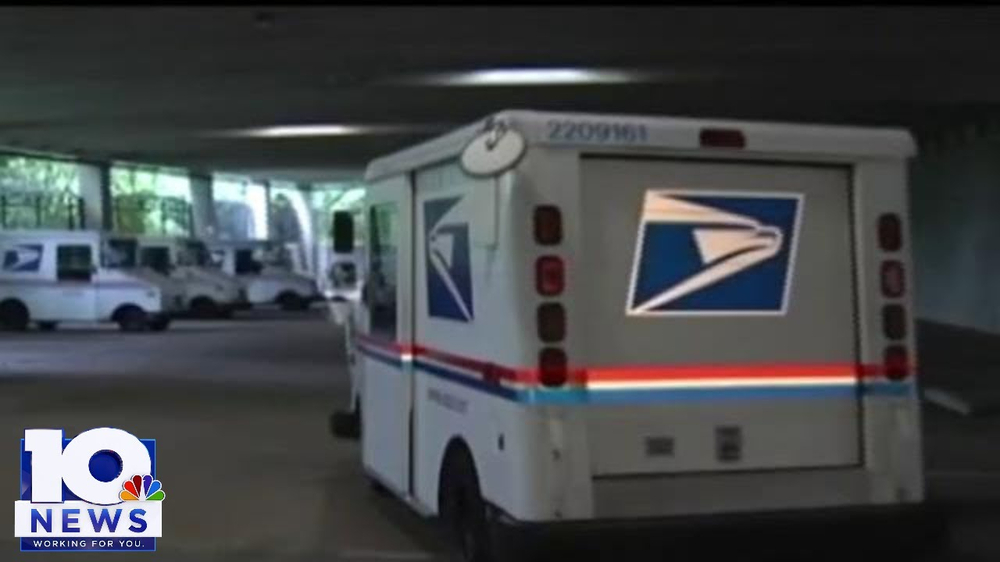
The United States Postal Service (USPS) has made a substantial commitment to electrifying its delivery fleet by announcing the purchase of 9,250 electric vehicles (EVs) from Ford. This initiative is part of a broader strategy to modernize its operations and reduce its carbon footprint. In addition to the Ford EVs, the USPS is acquiring 11,750 commercial off-the-shelf EVs and 45,000 Oshkosh Next Generation Delivery Vehicles. This move aligns with the growing trend among government agencies and corporations to transition to electric vehicles, which are seen as a more sustainable alternative to traditional gasoline-powered vehicles. The USPS's decision is expected to significantly impact its operational efficiency and environmental sustainability efforts.
To support this transition, the USPS is also investing in infrastructure by purchasing 14,000 electric vehicle charging stations. This infrastructure is crucial for ensuring that the new electric fleet can operate effectively without interruptions. The electrification of the USPS fleet is anticipated to not only lower greenhouse gas emissions but also reduce fuel costs over time. As the USPS implements this plan, it will contribute to the broader goals of reducing reliance on fossil fuels and promoting cleaner transportation options across the country. The overall investment in electric vehicles and charging infrastructure represents a significant step towards a more sustainable future for postal services.
View details2022
The Postal Service Reform Act aims to address the financial challenges faced by the United States Postal Service (USPS). This legislation forgave $57 billion in debt, which significantly alleviated the financial burden on the USPS. One of the key provisions of the act was the cancellation of the requirement for the Postal Service to pre-fund retiree health benefits, a mandate that had contributed to its financial difficulties. By removing this obligation, the act allows the USPS to allocate resources more effectively and focus on its core operations. Additionally, the act introduced new performance metrics and delivery timing requirements, which are intended to enhance accountability and service quality. Furthermore, it permits the Postal Service to diversify its offerings by providing certain non-mail services, potentially creating new revenue streams and improving overall sustainability.
The impact of the Postal Service Reform Act is expected to be substantial, as it aims to stabilize the USPS's financial situation and improve service delivery. The act reflects a recognition of the essential role that the Postal Service plays in American society, particularly in rural and underserved areas. By addressing long-standing financial issues and allowing for operational flexibility, the legislation seeks to ensure that the USPS can continue to serve the public effectively. The reforms are anticipated to enhance the reliability of mail delivery and expand service options, which could lead to increased customer satisfaction and trust in the Postal Service. Overall, the Postal Service Reform Act represents a significant step towards modernizing and revitalizing an institution that is vital to the nation's communication and commerce.
View details2021
The Postal Service's report on mail voting during the 2020 election highlights its critical role in facilitating the electoral process. The report indicates that the Postal Service managed around 135 million pieces of election-related mail during the period from early September to early November. This included mail-in ballots and registration materials, which were essential for voters, especially in the context of the COVID-19 pandemic that prompted many to opt for mail voting as a safer alternative to in-person voting. The efficiency of the Postal Service in handling this volume of mail was significant, as it ensured that a large number of voters could participate in the election process without facing delays or complications.
View detailsThe United States Postal Service (USPS) initiated a comprehensive reform plan known as Delivering for America, aimed at addressing long-standing challenges related to financial stability, service reliability, and operational efficiency. This 10-year strategy is underpinned by a substantial investment of $40 billion, which is earmarked for enhancing technology and upgrading facilities across the postal network. The plan is designed to modernize the USPS infrastructure, ensuring that it can meet the evolving demands of the public and adapt to the increasing competition from private delivery services. By focusing on these key areas, the USPS aims to restore its financial health and improve the overall customer experience, which has been impacted by service delays and operational inefficiencies in recent years.
In conjunction with the Delivering for America plan, legislative support was bolstered by the Postal Service Reform Act, which alleviated some of the financial burdens that had historically constrained the agency. This act is expected to provide the USPS with greater flexibility in managing its operations and finances, allowing it to implement the necessary changes outlined in the reform plan. The combination of strategic investments and legislative support is anticipated to position the USPS for a more sustainable future, enhancing its ability to serve the American public effectively while navigating the challenges of a rapidly changing delivery landscape.
View detailsThe United States Postal Service (USPS) has made a significant investment in modernizing its delivery fleet by awarding a contract to Oshkosh Defense. This contract, valued at $6 billion, aims to design and produce 165,000 new delivery vehicles over a span of ten years. The initiative is part of a broader strategy to enhance operational efficiency and reduce the environmental impact of postal services. The new vehicles, known as Next Generation Delivery Vehicles (NGDVs), will feature both gasoline and battery electric options, with an emphasis on sustainability. Specifically, the plan includes the deployment of 50,000 vehicles, half of which will be electric, aligning with the goals set forth by the Biden Administration and Postmaster General Louis DeJoy to transition towards a greener fleet. This move is supported by funding from the Inflation Reduction Act, which allocated $3 billion specifically for electric USPS vehicles, facilitating the addition of 66,000 electric vehicles to the fleet by 2028. The transition to electric vehicles is expected to significantly reduce greenhouse gas emissions and operational costs in the long run, marking a pivotal shift in the USPS's approach to its delivery services.
View details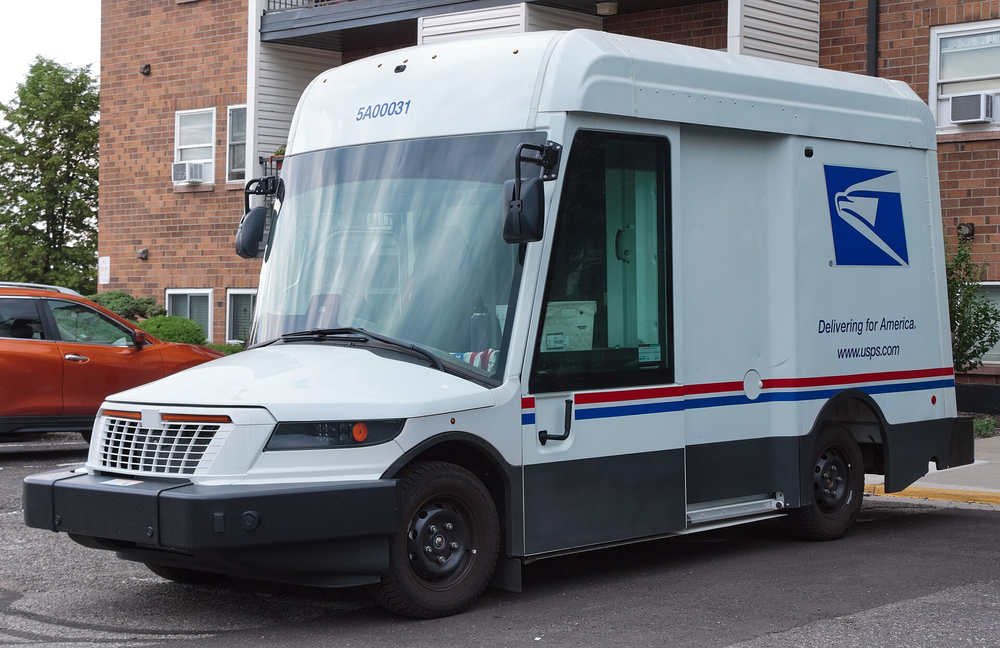
2020
The Consolidated Appropriations Act, a comprehensive piece of legislation, included provisions that had a significant impact on federal funding and financial relief measures. Among its various components, the Act addressed the financial challenges faced by the United States Postal Service (USPS) by forgiving a $10 billion loan that had been previously extended to the agency. This loan forgiveness was crucial for the USPS, which had been struggling with financial deficits exacerbated by declining mail volumes and increased operational costs. The decision to forgive the loan was part of a broader effort to stabilize the USPS and ensure its continued operation amidst the challenges posed by the COVID-19 pandemic and changing consumer behaviors. The Act aimed to provide the USPS with the necessary financial relief to maintain its services and avoid drastic measures such as service reductions or layoffs, which could have further impacted its operations and the communities it serves.
View detailsIn response to widespread criticism and legal challenges, the Postmaster General announced a rollback of operational changes that had been implemented within the United States Postal Service. These changes included the removal of mail sorting machines and reductions in service hours, which had raised concerns about the potential impact on mail delivery, particularly in the context of an upcoming election. The announcement came after significant public outcry and lawsuits filed against the Postal Service and the Postmaster General, highlighting the urgency of the situation. The decision to halt these changes was framed as a measure to ensure the integrity and efficiency of mail services during a critical period when many voters were expected to rely on mail-in ballots.
Despite the announcement to reinstate overtime hours and reverse service reductions, it was noted that a substantial portion of the mail sorting machines had already been dismantled prior to this decision. Specifically, approximately 95% of the machines slated for removal had been taken out of service, raising questions about the long-term implications for mail processing capabilities. The rollback was seen as a temporary measure, aimed at alleviating public concern and ensuring that the Postal Service could adequately handle the increased volume of mail during the election period. This situation underscored the intersection of postal operations with electoral processes and the critical role of the Postal Service in facilitating democratic participation.
View detailsLouis DeJoy was appointed as Postmaster General by the Board of Governors of the United States Postal Service, marking a notable shift as he was the first individual in two decades to be selected from outside the postal service. Before his appointment, DeJoy was the founder and CEO of New Breed Logistics, a logistics and freight company. His background in the logistics sector provided him with insights into operational efficiencies, which he aimed to implement within the Postal Service. Additionally, DeJoy was known for his significant financial contributions to the Republican Party and his fundraising efforts for Donald Trump, which positioned him as a politically influential figure at the time of his appointment.
Upon taking office, DeJoy initiated several cost-reduction measures, including the prohibition of overtime and limiting extra trips for mail delivery. These actions were controversial as they led to acknowledged delays in mail service, which he argued were necessary for long-term improvements in efficiency. The impact of his policies sparked widespread debate about the future of the Postal Service, especially in the context of increasing demand for mail services during election periods and the COVID-19 pandemic. DeJoy's leadership has been characterized by a focus on restructuring the Postal Service's operations, which has drawn both support and criticism from various stakeholders, including lawmakers and postal workers.
View details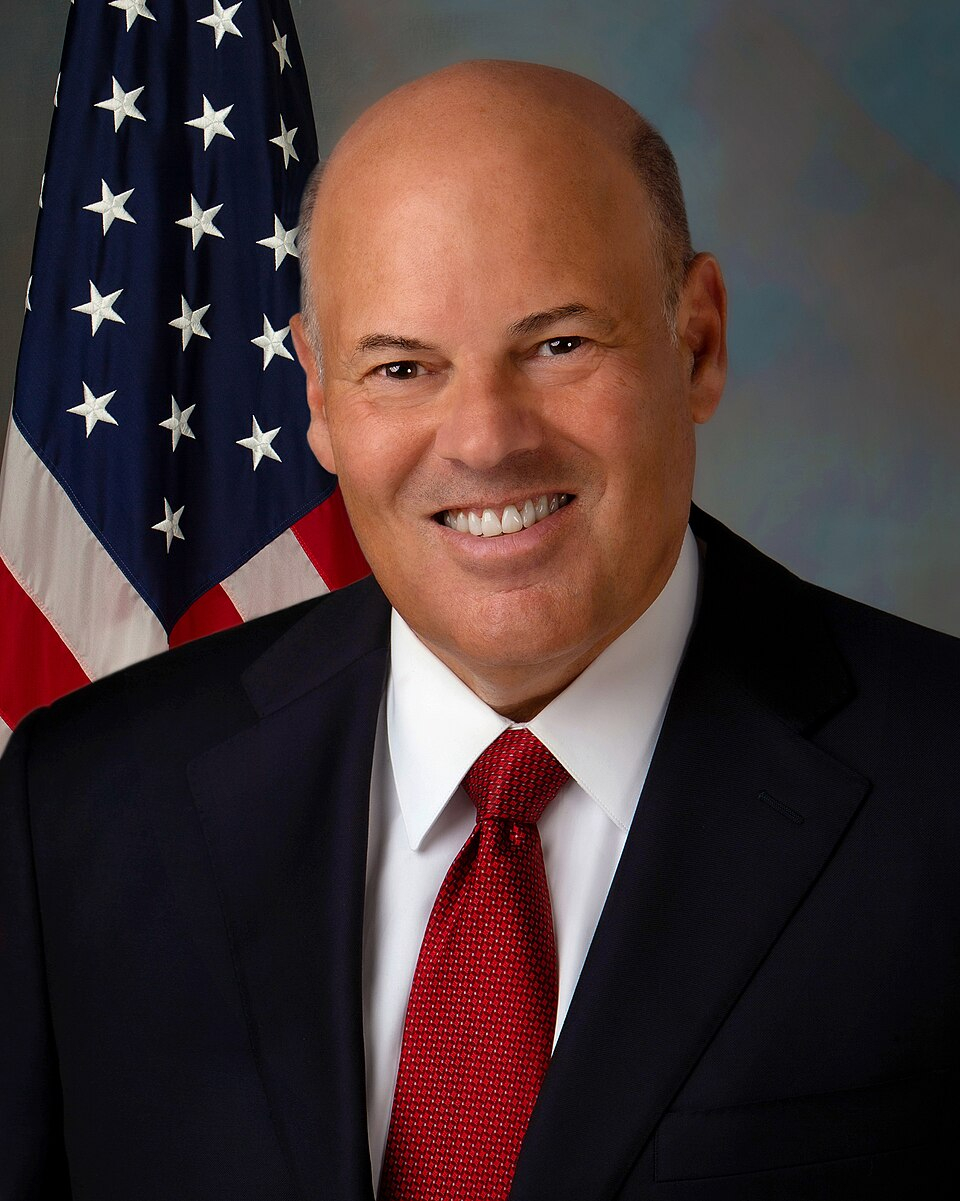
The USPS Fairness Act was introduced as a legislative response to the financial challenges faced by the United States Postal Service (USPS). The Act aimed to address the burdensome requirement for the USPS to pre-fund retiree health benefits, a mandate that has significantly strained the agency's finances. This pre-funding obligation has been a point of contention since it was established, contributing to substantial financial losses for the USPS over the years. The introduction of the USPS Fairness Act in Congress was part of a broader discussion on postal reform, which included various proposals to alleviate the financial pressures on the USPS and ensure its long-term viability. The Act garnered attention as it sought to eliminate the pension funding obligation, which many lawmakers and stakeholders viewed as an outdated and unsustainable requirement that hindered the USPS's ability to operate effectively in a changing market.
View details2015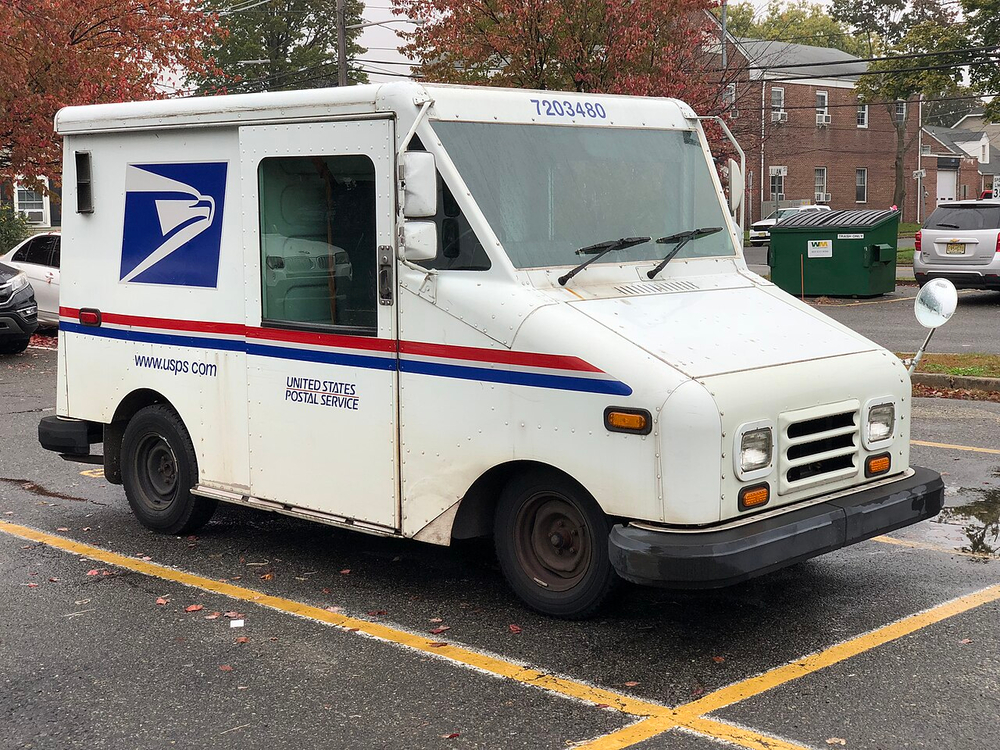
The United States Postal Service (USPS) initiated the replacement process for its Long-Life Vehicles (LLVs) due to the aging fleet that was originally manufactured between 1987 and 1994. These vehicles, which were designed for a 24-year lifespan, began to show their limitations as they lacked essential modern features such as air conditioning, airbags, and anti-lock brakes. Additionally, the LLVs were not equipped to handle the increasing volume of e-commerce packages, which has surged in recent years. The need for a more efficient and safer delivery vehicle became apparent as the USPS sought to modernize its fleet to meet contemporary delivery demands and improve operational safety.
View details2014
The United States Postal Service (USPS) has faced significant financial challenges over the years, particularly concerning its obligations to fund retirement benefits for its employees. The Civil Service Retirement System (CSRS) requires most employees to contribute a percentage of their wages towards their retirement, with new employees typically enrolling in the Federal Employee Retirement System (FERS). The financial strain on USPS has been exacerbated by its inability to meet these retirement payment obligations. A notable instance occurred when USPS failed to make a $5.7 billion payment, marking its fourth default on retirement payments. This failure to meet financial obligations has raised concerns about the long-term sustainability of the postal service and its ability to fulfill retirement commitments to its employees. The defaults have not only affected the financial health of USPS but have also had broader implications for the employees relying on these retirement benefits, leading to uncertainty about their future financial security.
View details2013
The introduction of Sunday package delivery for Amazon customers marked a significant shift in the logistics and delivery landscape. Initially launched by the Postal Service in select urban areas, the service began in New York and Los Angeles, catering to the growing demand for faster delivery options. This initiative was part of a broader strategy to enhance customer satisfaction and compete with other delivery services that offered weekend delivery. Following its initial rollout, the service expanded to 15 additional cities, reflecting the increasing reliance on e-commerce and the need for flexible delivery schedules. By extending Sunday delivery to most major markets, the Postal Service aimed to accommodate the shopping habits of consumers who increasingly expect quick and convenient access to their purchases, especially during weekends when they are more likely to be at home to receive packages.
The impact of Sunday delivery has been notable in the e-commerce sector, as it allows Amazon to provide a competitive edge over traditional retail and other online platforms. The ability to receive packages on Sundays has changed consumer behavior, encouraging more online shopping and increasing overall sales for retailers. Statistics indicate that a significant percentage of consumers prefer weekend delivery options, which has prompted logistics companies to adapt their operations accordingly. This shift not only benefits consumers but also enhances the efficiency of supply chains, as companies strive to meet the demands of a 24/7 economy. The expansion of Sunday delivery services illustrates the evolving nature of retail and the importance of logistics in meeting consumer expectations.
View details2012
The United States Postal Service (USPS) faced a critical financial crisis when it defaulted on retirement benefit payments, first occurring in August and September. This situation arose as the Postal Service struggled to meet its payroll obligations and maintain ongoing operations. The defaults were not isolated incidents; they marked the beginning of a troubling trend that continued into subsequent years. By September, the USPS had defaulted on payments for the fourth time, highlighting the severity of its financial difficulties. The ongoing defaults prompted the Postal Service to seek legislative relief from Congress, aiming to address the burdensome funding obligations that contributed to its financial instability. In response to these challenges, various reform proposals were introduced in Congress, reflecting the urgency of the situation and the need for a sustainable solution to the USPS's financial woes. The defaults on retirement payments not only affected the financial security of retirees but also raised concerns about the long-term viability of the Postal Service itself, which plays a crucial role in the nation's communication and delivery infrastructure.
View detailsThe United States Postal Service (USPS) has faced challenges in maintaining its rural post office network due to declining mail volumes and financial pressures. In response to these challenges, the USPS announced a modification to its plan concerning rural post offices. Rather than closing these facilities, the USPS decided to keep them operational but with reduced retail hours. This adjustment meant that some rural post offices would operate for as little as two hours each day. The decision was made with the intention of preserving access to postal services in rural communities while also addressing the need for cost reductions. The USPS indicated that the reduced hours would be implemented unless there was a strong community preference for an alternative solution, allowing local input to guide the operational changes. This approach aimed to balance the need for service availability with the financial realities facing the postal service, reflecting a commitment to adapt to the evolving needs of rural populations.
View details
2011
The announcement of post office closures by the United States Postal Service (USPS) marked a pivotal moment in the evolution of mail delivery services. The USPS revealed plans to close over half of its mail processing centers, a decision that would lead to the elimination of approximately 28,000 jobs. This move was part of a broader strategy to address financial challenges faced by the USPS, which had been struggling with declining mail volumes and increasing operational costs. The closures were expected to significantly impact the efficiency of mail processing and delivery, particularly affecting the overnight delivery of First-Class Mail. The decision was met with considerable public concern, as many communities relied heavily on local post offices for their mailing needs. The potential for reduced service levels raised alarms about the accessibility of postal services, especially in rural areas where alternatives were limited.
View details2009
The United States Postal Service (USPS) announced a significant reduction in its workforce, which included job cuts and early retirements, alongside a freeze on construction projects. This decision was driven by ongoing financial challenges faced by the USPS, which had been struggling with declining mail volumes and increasing operational costs. The job cuts were part of a broader strategy to stabilize the agency's finances and adapt to the changing landscape of communication and delivery services. The construction freeze indicated a shift in priorities, focusing on immediate financial health rather than expansion or modernization of facilities. The USPS's financial difficulties were exacerbated by the rise of digital communication, which led to a decrease in traditional mail services, prompting the need for drastic measures to ensure sustainability.
View detailsPostmaster General John E. Potter provided testimony regarding the financial challenges faced by the United States Postal Service (USPS) during a Senate hearing. He highlighted the critical issue of the Postal Accountability and Enhancement Act of 2006, which mandated that the USPS pre-fund its retiree health benefits. This requirement placed a significant financial burden on the agency, leading to concerns about its operational viability. Potter indicated that if the USPS could not adjust its payment obligations related to these retiree health benefits, it would have to consider reducing mail delivery to five days a week during the summer months. This potential reduction in service was presented as a necessary measure to address the financial constraints imposed by the pre-funding requirement, which was seen as unsustainable given the USPS's declining revenues and increasing operational costs. The testimony underscored the urgent need for legislative reform to alleviate the financial pressures on the USPS and ensure its continued ability to provide reliable mail services to the public.
View details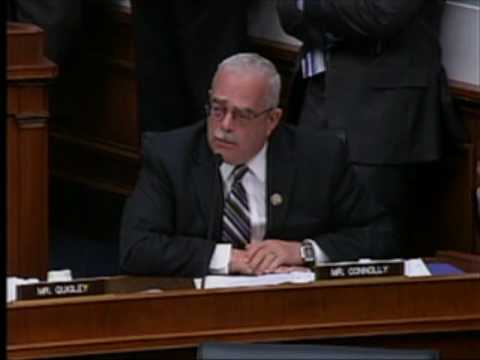
2007
The restructuring of international service names by the United States Postal Service (USPS) aimed to align international shipping options with domestic services, enhancing clarity for customers. Previously, USPS international services included categories such as Airmail (Letter Post), Economy (Surface) Parcel Post, Airmail Parcel Post, Global Priority, Global Express, and Global Express Guaranteed Mail. The reorganization led to the renaming of these services to better reflect their domestic counterparts. For instance, Airmail (Letter Post) was rebranded as First-Class Mail International, which accommodates small packages weighing up to four pounds (1.8 kg). Meanwhile, Economy Parcel Post was eliminated from international offerings, and Airmail Parcel Post transitioned to Priority Mail International. This change allowed for a more streamlined service experience, particularly with the introduction of Priority Mail International Flat-Rate packaging, which maintained the service conditions previously associated with Global Priority.
Additionally, Global Express was redefined as Priority Mail Express International, while the Global Express Guaranteed service remained unchanged. A notable feature of all international package services is the inclusion of USPS tracking, which is available until the package leaves the United States. However, tracking capabilities may vary based on the destination country. It is important to note that First-Class Mail letters and flats do not offer tracking, which could impact customer expectations regarding service transparency. This restructuring not only simplified the service offerings but also aimed to improve customer understanding and accessibility of international shipping options.
View details2006
The Postal Accountability and Enhancement Act (PAEA) established a framework for the United States Postal Service (USPS) to manage its financial obligations more effectively. One of the key provisions of the PAEA was the requirement for the USPS to pre-fund its retirement benefits, specifically the present value of earned retirement obligations. This mandate aimed to ensure that the USPS could meet its future pension liabilities, which had been a growing concern due to the increasing costs associated with retirement benefits. The act set a ten-year timeline for the USPS to fully fund these obligations, which significantly impacted its financial planning and operational strategies.
The implementation of the PAEA had far-reaching consequences for the USPS. By requiring the pre-funding of retirement benefits, the act placed a substantial financial burden on the postal service, which was already facing declining mail volumes and revenue. This obligation led to significant cash flow challenges, prompting the USPS to explore various cost-cutting measures, including service reductions and workforce adjustments. The act also aimed to enhance the accountability of the USPS by introducing more rigorous financial reporting and performance metrics. Overall, the PAEA represented a pivotal shift in how the USPS managed its finances, with long-term implications for its operational sustainability and service delivery.
View detailsThe Postal Accountability and Enhancement Act was a pivotal piece of legislation that reshaped the operational framework of the United States Postal Service (USPS). This act imposed restrictions on the services that USPS could offer, confining it to existing services and preventing the introduction of new ones. One of the key provisions of the act was the requirement for the USPS to pre-fund retiree health benefits, a mandate that significantly impacted its financial stability. This pre-funding requirement necessitated that the Postal Service set aside substantial funds to cover the medical benefits of future retirees, which created a financial burden that was unprecedented in the public sector. As a result, the USPS faced challenges in maintaining its operations while adhering to these stringent financial obligations.
The implications of the Postal Accountability and Enhancement Act were far-reaching. By limiting the services offered and imposing financial constraints, the act contributed to the ongoing financial struggles of the USPS. The requirement to pre-fund retiree health benefits led to significant deficits, as the Postal Service was forced to allocate a large portion of its revenue to meet these obligations. This situation was exacerbated by declining mail volumes due to the rise of digital communication, which further strained the USPS's financial resources. The act's restrictions and financial mandates have been a focal point of discussions regarding postal reform, as stakeholders continue to seek solutions to ensure the long-term viability of the Postal Service while fulfilling its mandate to provide universal service to all Americans.
View details2004
The United States Postal Service (USPS) operates as an independent establishment of the executive branch of the U.S. government, which significantly influences its legal standing regarding antitrust laws. In a landmark ruling, the U.S. Supreme Court determined that the USPS is not subject to antitrust liability, establishing that it functions as an integral part of the government rather than as a separate commercial entity. This ruling clarified that the USPS does not fall under the jurisdiction of antitrust laws, including the Sherman Antitrust Act, which was enacted to prevent monopolistic practices and promote competition in the marketplace. The court's unanimous decision emphasized that the USPS lacks a conventional ownership structure typical of private enterprises, which further distances it from the standard regulations that govern commercial businesses.
The implications of this ruling are significant for the USPS and the broader postal and delivery service landscape. By being exempt from antitrust scrutiny, the USPS can operate without the constraints that typically apply to private companies, allowing it to maintain its unique role in providing universal mail service across the nation. This exemption has raised discussions about the competitive dynamics between the USPS and private delivery services, as the latter must adhere to antitrust regulations while the USPS does not. The ruling has also sparked debates about the future of postal services, especially in the context of evolving technology and changing consumer preferences. As the USPS continues to adapt to these challenges, its antitrust immunity remains a critical factor in shaping its operational strategies and market interactions.
View details1999
The Boeing 727-200, a significant aircraft in the fleet of the United States Postal Service (USPS), was utilized for mail delivery operations, particularly in the late 20th century. This aircraft model was known for its versatility and efficiency in transporting cargo over medium distances. At Miami International Airport, the presence of a USPS Boeing 727-200 highlighted the role of air transport in the logistics of mail delivery, especially in regions with high volumes of parcel forwarding and private interchange. The operational capabilities of the Boeing 727-200 allowed USPS to enhance its service offerings, ensuring timely delivery of mail across the country. The aircraft's design, featuring a trijet configuration, provided the necessary range and payload capacity to meet the demands of postal operations.
View details1990
The evolution of mail delivery in New York City reflects significant changes in urban infrastructure and service efficiency. In the late 19th century, the introduction of mailboxes marked a pivotal shift in how mail was handled, allowing postal carriers to save time by collecting mail from designated locations rather than delivering it directly to each recipient. This innovation was part of a broader effort to streamline postal services as the city expanded and the volume of mail increased. By the 1910s and 1920s, the use of mailboxes became a requirement for service, further enhancing the efficiency of mail delivery. As the city continued to grow, the demand for postal services evolved, leading to adjustments in delivery frequency.
During the mid-20th century, particularly in the 1940s, the frequency of mail deliveries began to decline, with reductions noted especially on Saturdays. This trend culminated in the elimination of the last twice-daily deliveries in New York City by 1990, marking a significant shift in postal service operations. Since then, the standard practice has been to deliver mail once a day to most private homes and businesses. This change reflects broader trends in urbanization, technological advancements, and shifts in consumer behavior, as the postal service adapted to the needs of a modern city while managing operational costs and efficiency.
View details