

Related Lives

Amazon
The World’s Largest Online Marketplace

Queen
A Kind of Magic

Alibaba Group
Connecting Commerce, Creating Change

Airbus
European Aerospace Corporation

Ford Motor Company
Car manifacture

The Ritz-Carlton Hotel Company
Luxury Hospitality Company

Netflix
The Streaming Giant


1982
The reclassification of postal stamps as products marked a pivotal shift in the operational framework of the United States Postal Service (USPS). Following the Postal Reorganization Act, which established the USPS as a self-financing entity, the agency was required to generate its own revenue through the sale of stamps and package deliveries. This change was significant as it eliminated the reliance on taxpayer funding, fundamentally altering the financial landscape of postal services in the country. The decision to categorize stamps as products rather than a form of taxation in 1982 reinforced this self-sustaining model, compelling the USPS to innovate and adapt to market demands to maintain its financial viability.
The implications of this reclassification have been profound. By positioning stamps as products, the USPS has had to compete in a marketplace that includes private delivery services. This shift has led to ongoing discussions about the future of the USPS, including proposals for privatization that have been debated since the 1990s. The need for the USPS to operate efficiently and profitably has driven changes in service offerings, pricing strategies, and operational practices. As a result, the USPS has had to navigate challenges such as declining mail volumes and increased competition, all while ensuring that it meets the universal service obligation to provide mail services to all Americans, regardless of location.
View details1971
The transformation of the U.S. Postal Service (USPS) structure began with the Postal Reorganization Act, which established the USPS as an independent establishment of the executive branch. This act mandated that the USPS operate on a self-financing basis, relying exclusively on revenue generated from the sale of stamps and package deliveries. This shift marked a significant departure from previous funding models, as the USPS no longer received taxpayer funding. In 1982, postal stamps were reclassified as products rather than a form of taxation, further solidifying the USPS's financial independence. This change aimed to enhance operational efficiency and accountability, compelling the USPS to adapt to market demands and consumer preferences.
View detailsThe United States Postal Service (USPS) emerged as an independent agency following the dissolution of the United States Post Office Department, which had been a Cabinet-level department. This transition marked a significant shift in how postal services were managed and operated in the United States. The USPS was established to enhance the efficiency and effectiveness of postal operations, responding to the growing demands of a changing society and economy. The agency is tasked with providing postal services across the United States, including its insular areas and associated states, ensuring that mail delivery remains accessible to all citizens. The USPS operates under a unique business model that combines elements of both government and private sector practices, allowing it to adapt to the evolving landscape of communication and logistics.
View details1970
The Postal Reorganization Act marked a pivotal change in the structure and operation of postal services in the United States. Prior to this act, the Post Office Department operated as a cabinet-level entity, which often limited its operational flexibility and financial independence. The act transitioned the Post Office Department into the United States Postal Service (USPS), a self-sustaining federal agency. This reorganization aimed to enhance efficiency, improve service delivery, and adapt to the evolving needs of the public in a rapidly changing communication landscape. The USPS was granted greater autonomy, allowing it to operate more like a business while still fulfilling its public service obligations. This shift was significant in addressing the financial challenges faced by the postal system, as it allowed for more innovative practices and the ability to set rates based on operational costs rather than political considerations.
The impact of the Postal Reorganization Act has been profound, as it established a framework for the USPS to operate independently while still being accountable to the federal government. This change has allowed the USPS to implement various reforms and adapt to technological advancements over the years. For instance, the USPS has been able to modernize its services, including the introduction of automated sorting systems and online tracking for packages. The act also set the stage for the USPS to face competition from private courier services, prompting it to enhance its service offerings. As a result, the USPS has played a crucial role in maintaining universal mail service across the nation, ensuring that even the most remote areas have access to postal services. The reorganization has also influenced postal policy discussions, particularly regarding funding and service standards, as the USPS continues to navigate the challenges of a digital age.
View detailsThe Postal Workers Strike in New York City began as a response to low wages and poor working conditions faced by postal employees. Initially, the strike was localized to New York City, but it quickly gained momentum, attracting the support of over 210,000 postal workers nationwide. This widespread participation highlighted the discontent among postal workers and brought national attention to their grievances. The strike was significant in that it marked a pivotal moment in labor relations within the postal service, as it demonstrated the collective power of workers to demand better conditions and pay. Although the strike concluded without any immediate concessions from the federal government, it set the stage for future negotiations between postal worker unions and the government. The aftermath of the strike led to the establishment of a framework for contract negotiations, which ultimately resulted in unions securing many of their demands, including improved wages and working conditions. This event underscored the importance of organized labor and the role of unions in advocating for workers' rights within the federal workforce.
View details1967
The United States Postal Savings System was established to provide a safe and accessible means for individuals to save money. It functioned similarly to a savings and loan association, allowing customers to deposit funds with the postal service. This system was particularly beneficial for those who lacked access to traditional banking services, offering a reliable alternative for savings. Over the years, the Postal Savings System attracted a significant number of depositors, reflecting the public's trust in the postal service as a financial institution. However, as the financial landscape evolved, the system faced increasing competition from emerging financial technologies and services. Companies like PayPal and Venmo began to offer electronic payment solutions that appealed to a more tech-savvy population, leading to a decline in the use of traditional money orders and postal savings accounts. The shift towards digital banking and electronic transactions ultimately contributed to the decision to discontinue the Postal Savings System, marking the end of an era for postal banking in the United States. The closure of this system highlighted the changing dynamics of financial services and the need for institutions to adapt to new consumer preferences and technological advancements.
View details1957
The suspension of Saturday Express Mail delivery has its roots in financial challenges faced by the postal service. Initially, in the mid-20th century, Saturday delivery was temporarily halted due to budget constraints. This decision was made in response to a significant lack of funds, which prompted the postal service to reevaluate its operational costs. However, the suspension was short-lived, as the service was quickly restored to meet public demand and maintain service standards. Over the years, the financial viability of Saturday delivery continued to be a topic of discussion, particularly as the postal service faced ongoing budgetary pressures.
In the early 21st century, the issue resurfaced as the postal service grappled with declining mail volumes and increasing operational costs. By the time discussions began around the possibility of eliminating Saturday delivery, the financial situation had become more critical. This led to a formal announcement regarding the reduction of regular mail services to five days a week. The decision to cut Saturday delivery was part of broader efforts to streamline operations and address the financial challenges that had been accumulating over the years. The impact of these changes was significant, as it altered the way consumers and businesses interacted with postal services, highlighting the ongoing evolution of mail delivery in response to economic realities.
View details1911
The United States Postal Savings System was established to provide a safe and accessible means for individuals to save money. This initiative was particularly significant during a time when traditional banking services were not widely available to all segments of the population. The system allowed individuals to deposit their savings at post offices, which functioned similarly to savings and loan associations. Deposits were limited to a certain amount, ensuring that the system remained manageable and secure. The Postal Savings System aimed to encourage saving among Americans, especially those who might not have had access to conventional banking services due to various barriers, including geographic and economic factors.
The impact of the Postal Savings System was notable, as it provided a reliable option for savings during its operation from 1911 to 1967. At its peak, the system attracted millions of depositors, reflecting a significant trust in the postal service as a financial institution. However, as banking practices evolved and more financial institutions emerged, the relevance of the Postal Savings System diminished. The rise of electronic payment systems and money transfer services further contributed to the decline of traditional savings methods, leading to the eventual discontinuation of the Postal Savings System. Despite its closure, the system played a crucial role in promoting financial literacy and savings habits among the American public during its operational years.
View details1891
The Rural Free Delivery (RFD) initiative was introduced to address the challenges faced by rural communities in accessing postal services. Prior to its implementation, residents in less populated areas often experienced delays in receiving mail due to the limitations of existing postal routes and the slow pace of long-distance transportation. The RFD experiments began in less densely populated regions, aiming to provide more reliable and frequent mail delivery. This was particularly important as the volume of mail increased, necessitating a more efficient system to handle deliveries. To adapt to the high mail volume, postal services implemented multiple delivery times throughout the day. In residential areas, deliveries could occur twice daily, while urban centers, such as Brooklyn, New York, saw deliveries as frequent as seven times a day. This shift not only improved access to mail for rural residents but also laid the groundwork for the modern postal system, which continues to evolve in response to the needs of the population.
View details1863
The introduction of city delivery in urban areas marked a pivotal shift in the way mail was distributed. Prior to this change, mail was primarily collected at post offices, requiring individuals to travel to these locations to retrieve their correspondence. The establishment of city delivery necessitated a series of infrastructural developments, including the naming of streets, numbering of houses, and the provision of sidewalks and street lighting. These enhancements were essential to facilitate efficient mail delivery directly to homes and businesses, making the process more convenient for residents. The decision to implement city delivery was driven by the presence of a sufficient customer base in urban areas, which made the service economically viable. As a result, the postal system began to adapt to the growing needs of urban populations, leading to an expansion of delivery routes over time. This evolution in mail delivery not only improved accessibility but also contributed to the overall development of urban infrastructure, as communities began to organize themselves around these new postal services.
View details1844
The development of public telegraph lines in America began with the establishment of the first operational telegraph line by the Post Office Department, which connected Washington, D.C., to Baltimore. This initial line was launched in 1844 and marked a significant advancement in communication technology, allowing for faster transmission of messages over long distances. Following the success of this line, the telegraph network expanded to include major cities such as New York, Boston, Buffalo, and Philadelphia. This expansion facilitated not only personal communication but also played a crucial role in business and government operations, enhancing the efficiency of information exchange across the nation.
In 1847, the telegraph system transitioned from public to private ownership, reflecting a shift towards privatization in the telecommunications sector. This change allowed private companies to manage and operate telegraph services, which led to increased competition and innovation in the industry. However, during World War I, the government temporarily regained control of the telegraph system to ensure effective communication for military and logistical purposes. The establishment and evolution of public telegraph lines laid the groundwork for modern communication systems, influencing the development of subsequent technologies such as the telephone and the internet, and highlighting the importance of reliable communication infrastructure in a growing nation.
View detailsLysander Spooner, an entrepreneur and legal theorist, made a notable impact on the postal service landscape by founding the American Letter Mail Company. This initiative emerged as a direct challenge to the United States Post Office's monopoly on mail delivery. Spooner's company aimed to provide lower rates and faster service, particularly between major cities, which attracted a significant customer base. The American Letter Mail Company represented a shift towards competition in the postal sector, highlighting the demand for more efficient and cost-effective mail services. Despite its popularity among consumers, the company faced substantial legal challenges from federal authorities. The government viewed Spooner's enterprise as a threat to the established postal monopoly, leading to increased legal pressure that ultimately resulted in the company's closure. This confrontation underscored the tension between government regulation and private enterprise, prompting Congress to take action to reinforce the postal monopoly shortly thereafter. Spooner's efforts not only illustrated the potential for competition in public services but also sparked discussions about the role of government in regulating such industries.
View details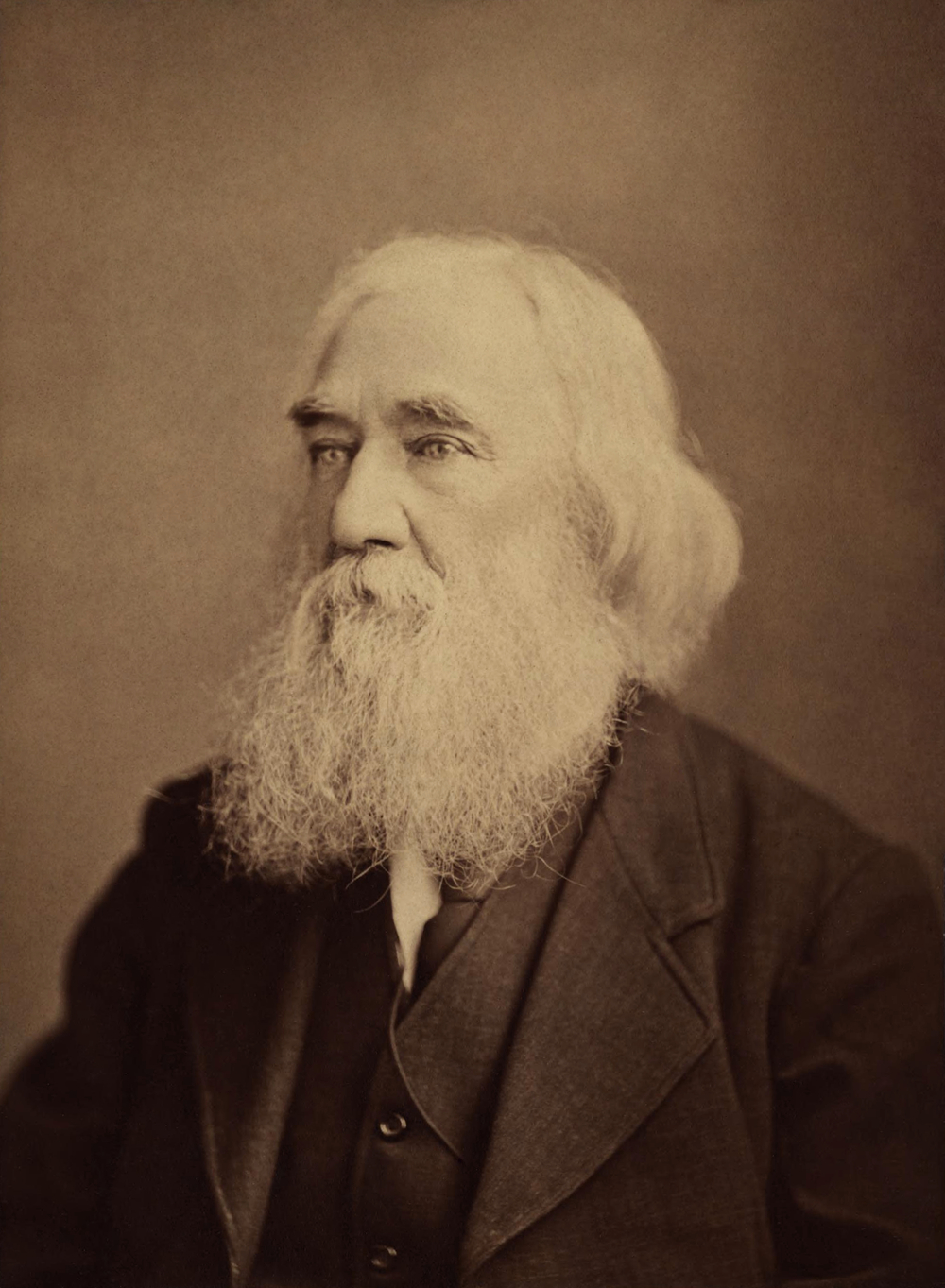
1810
Mail delivery in the United States underwent a significant change in the early 19th century when it began to be delivered seven days a week starting from 1810. This shift was largely driven by the growing demand for communication and the need for timely delivery of letters and packages. The practice of Sunday mail delivery continued for several decades, reflecting the evolving role of post offices in communities, which often served as social hubs. However, this change did not come without controversy. In 1828, local religious leaders raised concerns about the impact of Sunday mail delivery on church attendance, noting a decline in participation during Sunday morning services. They argued that the presence of post offices as gathering places on Sundays was detrimental to the community's religious practices and appealed to the government to close post offices on that day.
View details1792
The Post Office Department was established in 1792 following the enactment of the Postal Service Act. This act aimed to create a more organized and efficient postal system in the United States, addressing the growing need for reliable communication as the nation expanded. The department was responsible for overseeing postal services, including the management of mail delivery and the establishment of post offices across the country. The creation of the Post Office Department marked a significant step in the development of a national communication network, which was essential for connecting the diverse regions of the young nation. Over time, the department evolved to meet the changing demands of the public and advancements in technology.
In 1872, the Post Office Department was elevated to a cabinet-level department, reflecting its importance in the federal government. This elevation allowed for greater oversight and resources to be allocated to postal services. The department continued to adapt, and in 1970, it underwent a major transformation through the Postal Reorganization Act, which established the United States Postal Service (USPS) as an independent establishment of the executive branch. This reorganization aimed to improve efficiency and financial stability, allowing the USPS to operate more like a business while still fulfilling its public service obligations. Today, the USPS plays a crucial role in American society, providing mail services to millions of people and businesses, and is a vital component of the nation’s infrastructure.
View details1788
The Postal Clause in the United States Constitution, ratified in 1788, grants Congress the authority to establish post offices and post roads. This provision was designed to enhance communication across state lines, which was crucial for the fledgling nation’s development. At the time, effective communication was essential for governance, commerce, and the dissemination of information among the states. The establishment of a postal system was seen as a means to unify the country, allowing for the swift exchange of letters and goods, which in turn supported economic growth and political cohesion.
In addition to facilitating communication, the Postal Clause was also intended to generate revenue for the government. The early postal system operated on a fee-based model, where citizens paid for the delivery of their mail. This revenue stream was important for the financial stability of the new government, which faced numerous challenges in its formative years. Over time, the postal system evolved, becoming a vital infrastructure component that not only connected individuals but also supported the expansion of the nation. The Postal Clause remains a foundational element of federal authority, reflecting the importance of communication in a democratic society.
View details1775
The United States Post Office was established as the first national postal agency in the United States by the Second Continental Congress. This initiative took place in Philadelphia during the early stages of the American Revolution. The creation of a national postal service was a crucial step in unifying the colonies and facilitating communication among them, which was essential for coordinating efforts against British rule. Benjamin Franklin, a prominent figure in American history and a key leader in the revolution, was appointed as the first postmaster general. His experience in postal services, having previously served as postmaster of Philadelphia, contributed to the effective organization and operation of the new postal system.
The establishment of the United States Post Office had a significant impact on the development of the nation. It provided a reliable means of communication, which was vital for the dissemination of information, including news about military actions and political developments. The postal service also played a role in fostering a sense of national identity among the colonies. Over time, the Post Office expanded its services, adapting to the growing needs of the population and the evolving landscape of the country. Today, the United States Postal Service continues to be an essential institution, reflecting the enduring legacy of its founding during a pivotal moment in American history.
View details