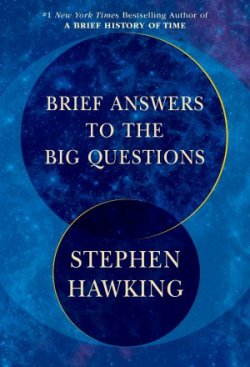
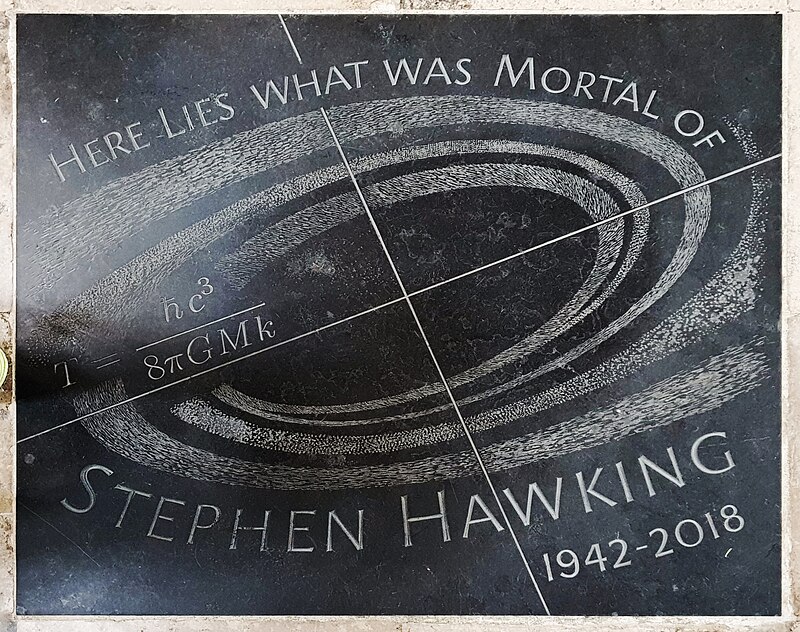
Stephen Hawking

The Mind That Explored the Universe
About
#StephenHawking
#GeniusOfTheUniverse
#CosmicMind
#ABriefHistoryOfTime
#BlackHoleTheory
Life Classifications
Theoretical physicist, Cosmologist, Author
Life ID
PL6001365156713
Verified Name
stephen-hawking
Life Type
Person Life
Birth
1942-Jan-08
Death
2018-Mar-13 ( at the age of 76 )
Life Editor(s)
History Editorial Network (HEN)
Life Privacy
Public
Subscription
Elite
Created On
2025-01-11
Updated On
2025-12-20
Connect
Related Lives

Genghis Khan
Scourge of God

Emily Brontë
The Enigmatic Voice of the Moors

Emilia Clarke
English Actress

Greg Abel
CEO of Berkshire Hathaway

Maya Angelou
The Voice of Strength and Hope

Jodie Foster
The Trailblazing Luminary

Emma Stone
Versatile screen gem
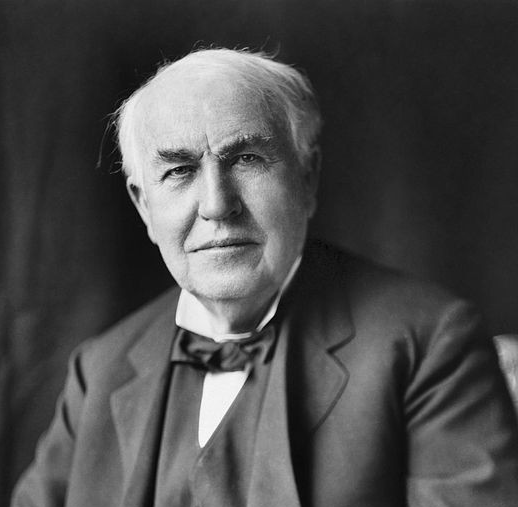
Thomas Edison
The Wizard of Invention