
Jensen Huang

CEO of NVIDIA
About
#JensenHuang
#NvidiaCEO
#TechInnovator
#AIExpert
#GraphicsGuru
#InnovativeLeader
#TechnologyVisionary
Life Classifications
Business executive, Electrical engineer, Philanthropist
Life ID
PL8335258906972
Verified Name
jensen-huang
Life Type
Person Life
Birth
1963-Feb-17
Age
63 years
Life Editor(s)
History Editorial Network (HEN)
Life Privacy
Public
Subscription
Elite
Created On
2024-09-20
Updated On
2026-11-20
Profile Image
wIkimedia / Masaru Kamikura
Connect
Related Lives

Bill Gates
Co-Founder of Microsoft, Philanthropist

JD Vance
Vice President of the United States

Wolfgang Amadeus Mozart
The Classical Wonderkid

Melania Trump
First Lady of the United States

2024
Jensen Huang, was elected to the National Academy of Engineering. This prestigious recognition highlights his significant contributions to the field of computer technology. Huang's innovative work in the development of graphics processing units (GPUs) has revolutionized industries such as artificial intelligence, gaming, and autonomous vehicles.
Huang's journey to this achievement began with his passion for computer science and artificial intelligence. #JensenHuang #NVIDIA #NationalAcademyofEngineering
View detailsOn June 1, Nvidia's market capitalization reached $3 trillion, making it the most valuable semiconductor company in the world. This milestone also boosted the net worth of Nvidia's CEO, Jensen Huang, to $100 billion. Nvidia, a company known for its graphics processing units (GPUs) and AI computing, had been steadily increasing its market share in both gaming and data center sectors.
Over the years, Nvidia's investment in research and development paid off as the demand for high-performance computing and artificial intelligence soared globally. With the rise in cloud computing, autonomous vehicles, and AI-based applications, Nvidia's products became indispensable in many technological advancements. The company’s GPUs were not just powering video games but had become crucial for scientific research, deep learning, and data analytics.
Jensen Huang, a Taiwanese-American entrepreneur, co-founded Nvidia in 1993. Under his leadership, the company transformed from a niche graphics company to a tech giant at the forefront of AI. Huang's strategic vision included significant acquisitions, such as Mellanox Technologies, which expanded Nvidia’s reach in the data center market.
The direct impact of Nvidia’s milestone was felt across the tech industry. Rival companies saw their stock prices drop as investors flocked to Nvidia, anticipating further growth. Financial analysts noted that Nvidia's valuation was higher than that of many established tech companies, solidifying its position as a leader in innovation.
Huang's net worth increase to $100 billion put him among the ranks of the world’s wealthiest individuals. His leadership style, focusing on long-term growth and technological advancement, was credited for Nvidia's success. Industry experts pointed out that Huang's ability to anticipate market needs and pivot accordingly was a significant factor in the company’s growth.
In summary, Nvidia achieving a market capitalization of $3 trillion and Jensen Huang's net worth growing to $100 billion was a pivotal event in the tech industry. This milestone underscored the importance of GPUs and AI in modern computing and showcased Nvidia's ascension as a dominant force in the technology landscape.
#Nvidia #JensenHuang #TechInnovation #MarketCap #NetWorth #MoofLife
View details
Jensen Huang's net worth increased to $90 billion following significant advances in the technology sector and strategic business decisions. As the CEO and co-founder of NVIDIA Corporation, Huang has been instrumental in positioning the company as a leader in graphics processing units (GPUs) and artificial intelligence (AI) technologies.
NVIDIA's stock saw continuous growth due to rising demand for high-performance computing, driven by sectors such as deep learning, autonomous vehicles, and supercomputing. Huang's focused efforts on AI and cloud computing allowed NVIDIA to secure partnerships with major tech companies and institutions, further boosting its market value.
NVIDIA's innovations in AI, particularly in natural language processing and computer vision, were pivotal. These advancements led to widespread adoption in diverse industries, including healthcare, automotive, and finance, amplifying NVIDIA's revenue streams. Additionally, Huang's ability to foresee the blockchain and cryptocurrency boom also contributed to NVIDIA’s profitability, as the company became a key supplier of GPU mining hardware.
This milestone reflected not only Huang’s visionary leadership but also the robust growth of NVIDIA under his tenure. By diversifying the applications of their core technologies, NVIDIA maintained its competitive edge, which translated into substantial financial gains for Huang. Moreover, the strategic acquisitions of smaller tech firms and continuous investment in R\u0026D fortified their market position, corroborating the surge in Huang’s net worth.
This event underscored the evolving landscape of technology where innovation, strategic foresight, and adaptability play crucial roles in exponential financial growth. The $90 billion valuation of Huang’s net worth represents not just personal financial success but also symbolizes the thriving ecosystem of technological advancement and strategic market positioning.
#TechLeadership #Innovation #AI #GPU #NVIDIA #FinancialGrowth #MarketLeadership #MoofLife
View details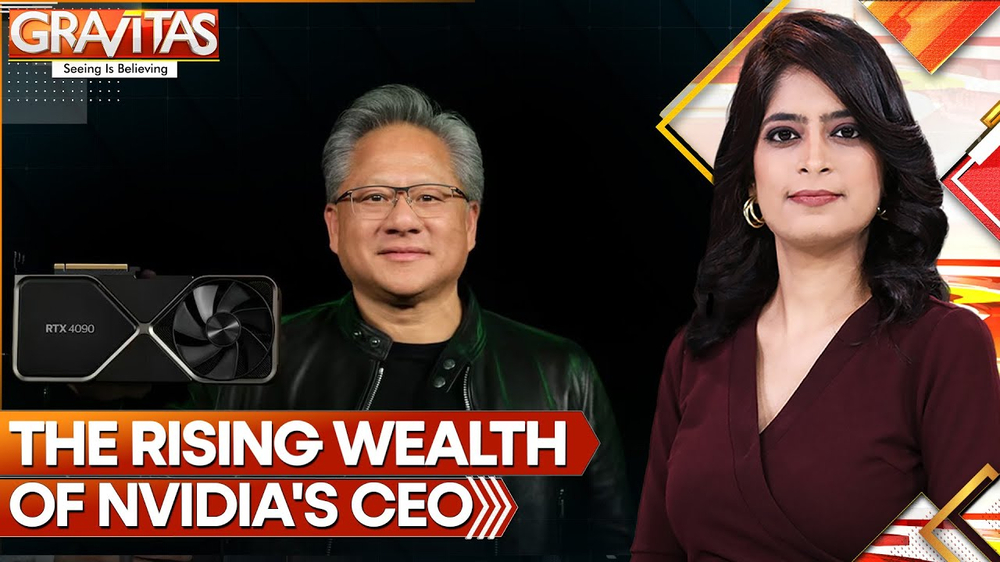
In March 2024, Mark Zuckerberg made waves on Instagram by referring to Nvidia CEO Jensen Huang as the "Taylor Swift of tech." Zuckerberg posted a photo featuring the two of them, humorously captioned "Jersey Swap," where they exchanged their iconic jackets—Zuckerberg wearing Huang's black leather jacket, and Huang sporting Zuckerberg's brown shearling. When a follower asked who Huang was, Zuckerberg responded by making the playful comparison, likening Huang's popularity and influence in the tech world to that of Taylor Swift in the music industry.
The remark wasn't just a lighthearted quip. It reflected Huang's rising stature due to Nvidia's crucial role in the development of AI technology, including Meta’s reliance on Nvidia GPUs to advance its artificial intelligence projects. Nvidia’s GPUs are central to training and deploying AI models, making Huang a key player in the tech world’s ongoing AI boom. This comparison also showcased the significant public admiration surrounding Huang, much like the global following Taylor Swift commands.
Zuckerberg’s comment highlighted the evolving relationship between major tech leaders and the mutual reliance among their companies to push forward cutting-edge technology. Source: (South China Morning Post)(India Today).
#MomentsOfLife #MoofLife_Moment #MoofLife #MarkZuckerberg #JensenHuang #TaylorSwiftOfTech #Nvidia #AI
View details
2023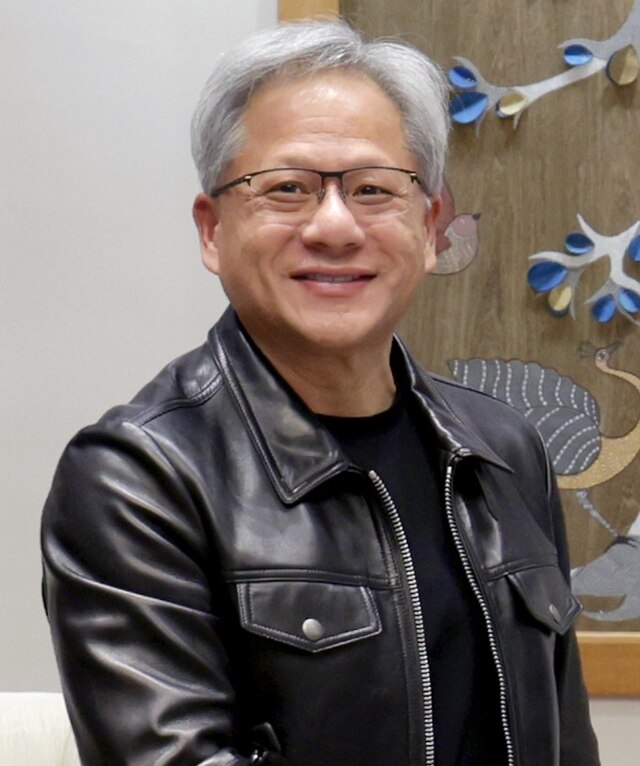
In December 2023, The Economist named Jensen Huang, CEO of Nvidia, as the "Best CEO of 2023." This recognition came in light of Nvidia’s exceptional success throughout the year, particularly in the field of artificial intelligence (AI). Under Huang’s leadership, Nvidia's market value surged, surpassing $1 trillion, largely driven by the dominance of its AI GPUs like the H100 and the introduction of the H200 series. Huang's strategic foresight in AI positioned Nvidia at the forefront of the technological revolution, making it a crucial player in industries beyond gaming, including AI and supercomputing Source: (TweakTown)(Ground News).
Huang's leadership has been instrumental in Nvidia capturing over 90% of the AI GPU market, enabling breakthroughs in AI applications across industries. His visionary approach earned him this accolade, reinforcing his status as one of the most influential figures in the tech world. Source: (The Caltech Associates).
#MomentsOfLife #MoofLife_Moment #MoofLife #JensenHuang #BestCEO2023 #AIRevolution #NvidiaSuccess
View details2022
In 2022, Jensen Huang made a considerable donation of USD 50 million to Oregon State University. This generous contribution stemmed from Huang's belief in the power of education and innovation. As the co-founder and CEO of NVIDIA, a leading technology company, Huang has always been a strong advocate for driving advancements in the field of technology.
The impact of this donation was profound, significantly bolstering Oregon State University's resources for research and development in technology-related fields. The funds were allocated towards establishing new scholarships, supporting faculty research, and enhancing the university's infrastructure for technology programs. This donation not only elevated the university's standing in the academic community but also provided students with enhanced opportunities for learning and growth.
Jensen Huang's donation to Oregon State University served as a catalyst for fostering collaboration between academia and industry. By investing in education and research, Huang aimed to nurture the next generation of innovators and trailblazers in the field of technology. The donation also underscored the importance of giving back to the community and supporting institutions that play a vital role in shaping the future of technology.
Overall, Jensen Huang's generous contribution of USD 50 million to Oregon State University was a testament to his commitment to advancing education and technology. The impact of this donation will be felt for years to come, shaping the landscape of technological innovation and education at the university and beyond.
#JensenHuang #OregonStateUniversity #TechnologyEducation #Innovation #Philanthropy
View details2021
Jensen Huang, CEO of NVIDIA, was honored by the Semiconductor Industry Association (SIA) with the Robert N. Noyce Award. This award is recognized as the semiconductor industry's highest honor, named after Intel co-founder Robert N. Noyce, who significantly impacted the technology world. SIA selected Huang for his exemplary leadership and contributions to the field of semiconductors, particularly in advancing the capabilities of graphics processing units (GPUs) and artificial intelligence (AI).
Huang's trajectory in the tech industry has been marked by continuous innovation. Under his leadership, NVIDIA transformed from a graphic chip company into a leader in AI computing. GPUs developed by NVIDIA not only revolutionized video game graphics but also emerged as the backbone for AI development. His efforts significantly influenced various sectors including healthcare, autonomous vehicles, and data centers.
When Huang received the Robert N. Noyce Award, the semiconductor sector took note of the milestones NVIDIA achieved. One project to highlight is the development of the NVIDIA A100 Tensor Core GPU, which dramatically improved performance for AI models and high-performance computing workloads. Such innovations have been pivotal in large-scale, data-intensive applications.
Industry statistics also reflect NVIDIA’s impact. For instance, The company’s revenue surged beyond $16.68 billion, showcasing its vital role in the tech market. Huang's peers lauded his vision for foreseeing the potential of GPUs beyond gaming, pivoting effectively to AI, and enabling applications that require intensive computational resources.
This award also underscores the broader contributions to the semiconductor industry, provided by thought leaders like Huang. It highlights how advancements in semiconductor technology drive profound changes across multiple fields, from improving medical research and facilitating smarter cities to enhancing environmental modeling.
The Semiconductor Industry Association's recognition aligns with the broader mission to celebrate and acknowledge transformative innovations that shape future landscapes. Huang's accomplishment sets an inspiration for ongoing and future innovations in technology.
#MoofLife #TechLeadership #SemiconductorIndustry #AI #NVIDIAGPUs
View detailsIn 2021, Jensen Huang was recognized as one of the 100 most influential people in the world by Time magazine. Huang, the founder and CEO of NVIDIA, was acknowledged for his groundbreaking contributions to the fields of artificial intelligence, computer graphics, and gaming technology. Over the years, Huang's leadership has propelled NVIDIA to the forefront of innovation in areas such as autonomous driving, data centers, and healthcare.
Huang's impact on the tech industry has been profound, with NVIDIA becoming a powerhouse in the development of graphics processing units (GPUs) that are essential for AI applications. Under his guidance, the company has consistently pushed the boundaries of what is possible in computing, revolutionizing industries and shaping the future of technology.
Being included in the Time 100 list is a testament to Huang's visionary leadership and the significant influence he has had on the global tech landscape. His relentless pursuit of innovation and commitment to advancing technology have not only transformed NVIDIA into a market leader but have also inspired countless others in the industry to push the boundaries of what is achievable.
Huang's recognition as one of the most influential people in the world serves as a reminder of the power of visionary leadership in shaping the course of the technological advancements that will define our future. His work continues to have a lasting impact on industries ranging from gaming to artificial intelligence, with NVIDIA's technologies playing a crucial role in shaping the world we live in today and the world of tomorrow.
#JensenHuang #Time100 #TechInnovation
View detailsMadison Huang's transition to the role of Director of Product Marketing at Nvidia marked a pivotal development within the company. Madison, the daughter of Nvidia's CEO, Jensen Huang, brought a unique blend of family legacy and professional acumen to the position. Prior to her promotion, Madison had garnered extensive experience in product marketing and managerial roles, which laid a solid foundation for her new responsibilities at Nvidia.
Nvidia, renowned for its advancements in graphics processing units (GPUs) and artificial intelligence (AI), has been a leader in the tech industry. The appointment of Madison Huang was seen as a strategic move to strengthen the company's product marketing arm during a period of rapid technological growth and competition. Her role included overseeing market analysis, product positioning, and spearheading marketing strategies for Nvidia’s cutting-edge technologies.
The appointment carried significant implications for both Nvidia and the broader tech community. As Nvidia continued to expand its portfolio of AI technologies, Madison’s expertise in marketing and her familiarity with the company’s vision were expected to drive innovative campaigns and strengthen brand positioning in the global market.
The tech industry, where lineage and professional merit occasionally intersect, viewed this leadership transition through various lenses. While some stakeholders emphasized the continuity of vision within Nvidia's leadership, others focused on the potential for new approaches and perspectives initiated by Madison's leadership style.
Under her direction, several product launches and marketing campaigns were successfully executed, contributing to Nvidia’s robust financial performance. Data following her appointment showed a notable uptick in the company’s market reach and social media presence, highlighting the effectiveness of tailored marketing strategies under her guidance.
Her tenure is frequently examined in business studies as an example of leadership evolution within a high-profile technology firm. The statistics of market growth during these campaigns are often cited to underscore the impact of skilled marketing leadership in the tech industry.
#MoofLife #Nvidia #ProductMarketing #Leadership #AI #TechIndustry
View detailsSpencer Huang, a former bar owner, faced a pivotal transition when his establishment closed its doors. Having run a successful bar for several years, Huang encountered challenges that forced him to shutter his business. Shifts in the industry, coupled with external economic pressures, made it difficult to sustain operations.
Around this time, Huang noticed an intriguing opportunity at Nvidia, a leading technology company known for its contributions to graphics processing and AI technologies. Nvidia was founded by Jensen Huang, a pioneering figure in the tech industry. Spencer, intrigued by Nvidia’s innovative culture and forward-thinking projects, decided to pivot his career.
Spencer Huang applied for and secured a position as a product manager at Nvidia. His background in business management and customer service from his bar ownership provided him with a unique skill set. At Nvidia, Huang’s role focused on overseeing product development cycles, from initial concept to market launch. He worked closely with engineering teams, marketing departments, and customer feedback channels to ensure alignment and quality in product offerings.
Nvidia had been experiencing significant growth, driven by increased demand for gaming GPUs, advancements in AI, and expansion into autonomous vehicle technology. During Huang's tenure, the company continued to strengthen its market position, with revenues growing substantially. Nvidia's stock had seen considerable appreciation due to strong quarterly earnings and strategic acquisitions, solidifying its presence in the semiconductor and AI spaces.
This career shift for Spencer Huang marked a significant change in his professional trajectory. It highlighted a broader trend of individuals adapting to new careers in response to economic and industry shifts. Huang's move to Nvidia underscored the dynamic nature of career paths and the resilience required to navigate such changes.
#CareerChange #Nvidia #TechIndustry #BarOwnerToProductManager #MoofLife
View details2020
The 'Supplier CEO of the year' event saw industry leaders gathering to honor Jensen Huang for his exceptional leadership. As the CEO of NVIDIA, Huang revolutionized the technology sector with his innovative vision. His strategic decisions catapulted the company to new heights, setting the benchmark for excellence in the supplier industry.
Huang's groundbreaking work in artificial intelligence and graphics technologies redefined the possibilities of computing. Under his guidance, NVIDIA became a powerhouse, delivering cutting-edge solutions that reshaped industries and drove advancements in various fields. His commitment to pushing boundaries and fostering a culture of creativity has inspired a new generation of leaders in the tech space.
The recognition of Huang as 'Supplier CEO of the year' symbolizes not just his personal achievements, but also the impact of NVIDIA on the larger tech ecosystem. His relentless pursuit of excellence and unwavering dedication to innovation have cemented his legacy as a true visionary in the industry. The event provided a platform to celebrate his contributions and acknowledge the ripple effect of his work on the supplier landscape.
In honoring Huang, the event highlighted the importance of strong leadership, strategic foresight, and a relentless pursuit of innovation in driving success in the fast-paced world of technology. He serves as a role model for aspiring entrepreneurs and leaders, demonstrating the power of bold ideas and steadfast determination in achieving remarkable outcomes.
The 'Supplier CEO of the year' event encapsulated the spirit of innovation and excellence that defines the tech industry. It underscored the transformative impact of visionary leadership and disruptive technologies in shaping the future of supplier companies. As Huang accepted the prestigious accolade, the audience recognized not just an individual achievement, but a testament to the endless possibilities that lie ahead in the dynamic world of technology.
#JensenHuang #SupplierCEO #TechInnovation #LeadershipExcellence
View detailsJensen Huang, the co-founder and CEO of NVIDIA, was honored with an honorary doctorate from National Taiwan University. This recognition was not just a celebration of Huang’s achievements, but a testament to his significant contributions to technology and education. Huang's work with NVIDIA has been instrumental in advancements in computer graphics, artificial intelligence, and parallel computing. Under his leadership, NVIDIA introduced the GPU, which revolutionized visual computing and deep learning technologies.
National Taiwan University, one of the leading educational institutions in Taiwan, chose to honor Huang for his innovative spirit and transformative impact on the industry. The ceremony, attended by prominent academics, students, and industry leaders, highlighted Huang’s role in bridging the gap between theoretical research and practical application. His contributions have accelerated progress across various fields, including gaming, scientific research, and artificial intelligence.
Huang's journey from a Taiwanese immigrant to a leader in Silicon Valley resonated deeply with the audience. He is an embodiment of hard work, vision, and the importance of fostering a culture of constant innovation. Through his efforts, NVIDIA has gained prominence as a key player in cutting-edge technological advancements. This honorary doctorate also underscores the global influence of Taiwanese professionals in the tech industry.
The event featured speeches that detailed Huang’s career milestones, starting with the founding of NVIDIA in 1993. The company's revenue has grown substantially, with recent reports indicating annual earnings surpassing $10 billion. Much of this success is attributed to Huang’s strategic vision, particularly his ability to foresee the potential of GPUs in diverse applications beyond gaming.
Receiving this honorary doctorate symbolizes the intersection of academia and industry, encouraging future collaborations that drive innovation. It recognizes Huang not only as a business leader but as an innovator whose work has far-reaching educational and societal impacts. It also serves as an inspiration for aspiring engineers and entrepreneurs, demonstrating the heights that passion and perseverance can reach.
#MoofLife #JensenHuang #NVIDIA #HonoraryDoctorate #NationalTaiwanUniversity #TechInnovation #AI #GPU #VisualComputing
View detailsNVIDIA’s acquisition of Arm Holdings for $40 billion marked a pivotal moment in the tech industry. Led by Jensen Huang, the move aimed to combine NVIDIA’s expertise in graphics processing with Arm’s dominant position in mobile computing chips. This strategic decision stirred debates on potential market dominance and impact on competition.
Arm Holdings, a UK-based semiconductor and software design company, became a crucial player in the mobile industry with its energy-efficient chip architecture. NVIDIA, known for its graphic processing units (GPUs), saw the acquisition as an opportunity to expand its footprint in the rapidly evolving tech landscape. The deal promised to reshape the semiconductor industry, giving NVIDIA access to a wide range of industries, from smartphones to data centers.
The acquisition drew scrutiny from regulators and competitors concerned about NVIDIA’s potential dominance in the market. With Arm’s widespread presence across various devices and companies like Apple relying on its technology, the deal raised questions about fair competition and market dynamics. Despite assurances of maintaining Arm’s neutrality and open-licensing model, challenges loomed regarding regulatory approval and industry partnerships.
Jensen Huang’s vision for the acquisition centered on creating a powerhouse in the semiconductor industry, driving innovation and shaping the future of computing. By combining NVIDIA’s prowess in AI and graphics with Arm’s chip designs, the deal aimed to spur advancements in artificial intelligence, internet of things, and data centers. The strategic alignment between the two companies sought to accelerate technological developments and push the boundaries of what was possible in computing.
Overall, NVIDIA’s acquisition of Arm Holdings for $40 billion sent shockwaves through the tech world, signaling a new era of collaboration and competition in the semiconductor space. With Jensen Huang at the helm, the deal signified a bold step towards shaping the future of technology and solidifying NVIDIA’s position as a key player in the industry.
#NVIDIA #ArmHoldings #JensenHuang #Acquisition #SemiconductorIndustry #TechInnovation
View details2019
Jensen Huang, co-founder and CEO of NVIDIA Corporation, was recognized by Harvard Business Review as one of the world's best-performing CEOs. This acknowledgment stems from his exceptional leadership and strategic vision that propelled NVIDIA to the forefront of the technology industry.
Huang's journey to this prestigious accolade began with the founding of NVIDIA in 1993. Under his guidance, the company became a global leader in graphics processing units (GPUs) for gaming and professional markets. However, it was Huang's foresight in expanding NVIDIA's reach beyond gaming that truly set him apart. He recognized the potential of GPUs for applications in artificial intelligence, data centers, and autonomous vehicles, positioning NVIDIA as a key player in these burgeoning fields.
The impact of Huang's leadership on NVIDIA's performance cannot be overstated. During his tenure, the company's market value soared, and its revenue experienced exponential growth. Huang's ability to navigate the rapidly evolving tech landscape, anticipate market trends, and make bold strategic decisions has solidified NVIDIA's position as a powerhouse in the industry.
The recognition by Harvard Business Review serves as validation of Huang's exceptional achievements and the transformative impact he has had on NVIDIA. It highlights not only his individual success but also the collective efforts of the team he has built and inspired. Huang's leadership style, characterized by innovation, resilience, and a relentless pursuit of excellence, has been instrumental in NVIDIA's success story.
As one of the world's best-performing CEOs, Jensen Huang continues to chart a course for NVIDIA's future success. His visionary leadership, coupled with a deep understanding of technology and market dynamics, positions the company for continued growth and relevance in an increasingly competitive landscape. By staying true to its core values of innovation and excellence, NVIDIA under Huang's guidance is well-positioned to shape the future of technology and drive the next wave of transformative change.
#JensenHuang #NVIDIA #CEOExcellence #HarvardBusinessReview #TechInnovation
View detailsJensen Huang, the co-founder and CEO of Nvidia Corporation, saw his net worth reach $3 billion as Nvidia's stock performance soared. Born in Taiwan and educated in the United States, Huang co-founded Nvidia in 1993. Under his leadership, Nvidia initially focused on graphics processing units (GPUs) for gaming, but later expanded into diverse markets, including artificial intelligence (AI), data centers, and autonomous vehicles.
At the time, Nvidia's financial success was driven by its dominance in the GPU market. The company recorded substantial revenue growth, with several consecutive quarters of outperformance. Nvidia's GPUs became essential for high-performance computing applications, particularly in AI and deep learning, fields experiencing rapid expansion. The company's flagship product, the Nvidia GeForce series, continued to be a top choice for gamers globally.
The rise in Huang's net worth was partly attributed to Nvidia's alliances with tech giants like Google and Amazon, integrating Nvidia's GPUs into their cloud services. Revenue from data centers contributed a significant share of the company's total income, showcasing over 50% year-over-year growth. Nvidia's strategic acquisitions, such as the purchase of Mellanox Technologies, further solidified its position in the tech industry.
Despite challenges, including fluctuations in cryptocurrency markets affecting demand for Nvidia's GPUs, the company navigated these hurdles effectively. By diversifying its product offerings and investing heavily in R\u0026D, Nvidia maintained a trajectory of innovation. Huang's leadership style, often described as visionary and persistent, was critical in steering the company through these complex dynamics.
Financial analysts observed the impact of Nvidia's growth on industry standards, as the company set new benchmarks for GPUs and AI technologies. Huang's increase in net worth was reflective not just of personal success, but also of Nvidia's influential role in shaping modern computing and AI capabilities.
#JensenHuang #Nvidia #TechLeadership #GPUs #ArtificialIntelligence #FinancialGrowth #MoofLife
View details2018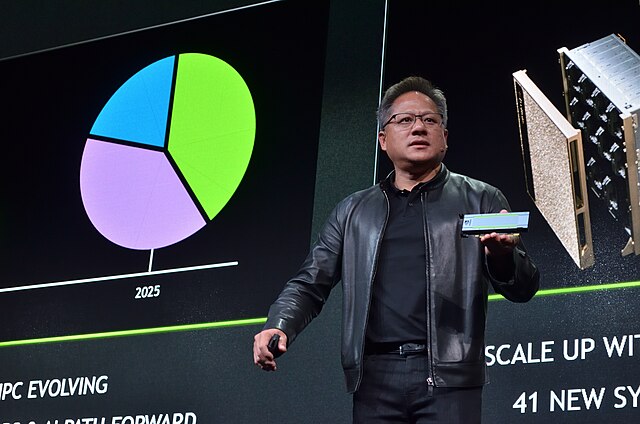
Jensen Huang’s recognition in the inaugural Edge 50 marked a pivotal moment in the technology sector, particularly emphasizing edge computing. Edge computing, the practice of processing data closer to where it is generated rather than relying on a central data facility, had been gaining traction due to its potential to reduce latency, increase processing speed, and improve the efficiency of data handling. This methodology proved essential in various fields, from autonomous vehicles to smart infrastructure and IoT devices.
NVIDIA, led by CEO Jensen Huang, had been at the forefront of pushing technological boundaries. Under Huang's leadership, NVIDIA developed advanced hardware and software solutions that addressed the requirements of edge computing. Their state-of-the-art GPUs enabled rapid data processing and real-time decision-making capabilities, critical factors for applications demanding low latency and high reliability.
The introduction of Edge 50 brought clarity on who was driving innovation and shaping the future of edge computing. Being named among the top 50 influencers recognized individuals and organizations addressing some of the most pressing challenges and pushing the boundaries of what is technically possible. This listing involved extensive scrutiny of contributions to research, development, and real-world applications in edge technology.
Huang’s inclusion underscored his influential role and leadership in propelling edge computing forward. Under his guidance, NVIDIA's contributions included not only hardware advances but also significant strides in software and collaborative ecosystems, supporting developers and researchers in creating new, edge-based solutions. The impact of this recognition was multifaceted: it validated Huang's strategic direction, boosted NVIDIA’s reputation in the tech industry, and spotlighted edge computing as a crucial technology for the future.
Statistics revealed significant investments and shifts toward edge computing technologies. Market analysts projected the edge computing market to grow exponentially, driven by increasing deployments in industries such as healthcare, manufacturing, and telecommunications. For NVIDIA, this meant not only an expanded market reach but also a crucial role in shaping the tech landscape.
The inaugural Edge 50 list highlighted the emerging importance and potential of edge computing, marking a significant moment for all recognized influencers, especially Jensen Huang and NVIDIA.
#EdgeComputing #TopInfluencers #Innovation #NVIDIA #TechLeadership #MoofLife
View details2016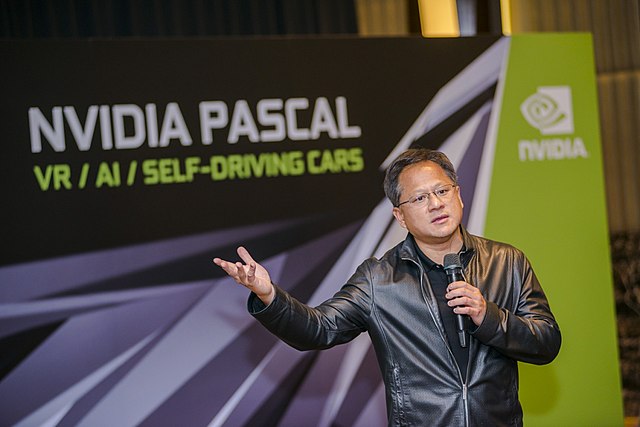
In a strategic move, NVIDIA announced its focus on AI and deep learning technologies. The driving force behind this decision was the increasing demand for artificial intelligence applications across various industries. Jensen Huang, CEO of NVIDIA, emphasized the significance of leveraging AI to revolutionize computing capabilities.
This announcement marked a pivotal moment for NVIDIA as it shifted its primary focus towards developing technologies that could harness the power of AI and deep learning. The company aimed to position itself as a key player in driving innovation in AI, ensuring that its products and services were at the forefront of this rapidly growing field.
The impact of this announcement was widespread, with industry experts recognizing NVIDIA's commitment to advancing AI technologies. The focus on AI and deep learning technologies positioned NVIDIA as a leading provider of solutions for businesses looking to incorporate AI into their operations.
Furthermore, this strategic decision by NVIDIA signaled a new era in computing, where AI and deep learning would play a central role in shaping the future of technology. The announcement sparked increased interest in NVIDIA's products and services, solidifying its reputation as a pioneer in the field of AI.
Overall, NVIDIA's announcement regarding its focus on AI and deep learning technologies was a defining moment for the company, setting the stage for its continued leadership in the development of cutting-edge AI solutions. This move underscored NVIDIA's commitment to driving innovation and shaping the future of technology through the transformative power of AI.
#NVIDIA #AI #DeepLearning #JensenHuang
View details2015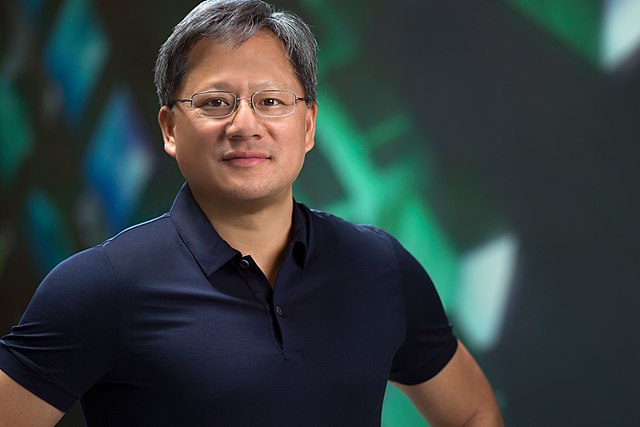
Jensen Huang’s son, Spencer Huang, launched a bar in Taipei, which went on to be recognized among Asia's top 50 bars by Forbes. Spencer ventured into the bar industry, demonstrating a keen sense of business and innovation. Taipei, known for its vibrant nightlife, served as an ideal location for his new enterprise. Leveraging a strategic approach, Spencer focused on creating a unique atmosphere complemented by an extensive selection of high-quality beverages and exceptional customer service.
Spencer's bar quickly gained popularity, attracting a diverse clientele that included both locals and tourists. The establishment distinguished itself through a meticulously crafted menu, featuring both classic and contemporary cocktails, and an ambiance that balanced modern design with traditional elements. This combination resonated with patrons, leading to positive word-of-mouth and media attention.
The bar's success was measured not only by its growing customer base but also by its critical acclaim. Forbes' recognition as one of Asia's top 50 bars validated Spencer’s efforts and positioned his establishment among the elite in a competitive market. This accolade was based on various criteria including innovation, service quality, and overall experience. Spencer's achievement underscored the potential of Taipei as a hub for world-class dining and entertainment experiences.
For Spencer, the bar's success represented a significant professional milestone and contributed to Taipei's reputation as a go-to destination for nightlife enthusiasts. The recognition by Forbes highlighted the city’s evolving hospitality landscape, capable of competing on an international level. Spencer’s venture not only showcased his business acumen but also supported local suppliers, contributing to the broader economy.
#MoofLife #Top50Bars #ForbesAsia #TaipeiBar #SpencerHuang #JensenHuang #NightlifeTaipei #BusinessInnovation #CustomerService
View details2009
In early summer, during a convocation ceremony, Jensen Huang was conferred an honorary doctorate from Oregon State University. This event recognized his contributions to the fields of technology and computer engineering. Huang, the CEO and co-founder of NVIDIA Corporation, has been a pivotal figure in advancing graphics processing technologies and artificial intelligence. His association with NVIDIA, a company known for its groundbreaking developments in GPU technology, has had a profound impact on various industries ranging from gaming and professional visualization to scientific research and autonomous vehicles.
Oregon State University selected Huang for this prestigious honor due to his significant influence and innovations. Huang’s leadership at NVIDIA propelled the company to become a key player in the tech industry, with its products being crucial for computing tasks requiring high performance and efficiency. Moreover, his work has supported advancements in AI research and development, enabling numerous applications in medicine, climate science, and complex computational calculations.
This commendation by Oregon State University aligns with their recognition of significant advancements in science and technology. The doctorates are a reflection of the university's commitment to honoring those who drive progress and innovation in these vital sectors. Huang's academic grounding, which included earning a master's degree in electrical engineering from Stanford University, and his entrepreneurial spirit exemplify the qualities that the university celebrates.
During the ceremony, Huang addressed the graduates, sharing insights into the trajectory of technology and urging them to think forward about the role they could play in future advancements. His speech underscored the importance of perseverance and visionary thinking in overcoming challenges and achieving breakthroughs.
In receiving this honorary degree, Huang's achievements were not just celebrated by the attendees but also highlighted across the broader tech community, reinforcing the intersection of academia and industry. This accolade adds to the acknowledgments that have marked his illustrious career and continues to inspire future generations of engineers and entrepreneurs.
#JensenHuang #HonoraryDoctorate #OregonStateUniversity #TechnologyLeadership #Innovation #GPU #AI #TechIndustry #MoofLife
View details2008
Jen-Hsun Huang, co-founder, and CEO of NVIDIA, donated $30 million to Stanford University to establish the Jen-Hsun Huang School of Engineering Center. This philanthropic act aimed to support and bolster the university's engineering programs and infrastructure. The donation sought to enhance collaborative research and education, providing students and faculty access to state-of-the-art facilities and resources.
Huang, an alumnus of Stanford's electrical engineering program, recognized the importance of investing in educational institutions to advance technological innovation and research. His contribution facilitated the creation of a new central hub for interdisciplinary research and learning within Stanford's School of Engineering. The center was designed to bring together various engineering disciplines under one roof, promoting synergy and fostering a collaborative environment.
The establishment of the Jen-Hsun Huang School of Engineering Center had a significant impact on the university. It provided modern laboratories, classrooms, and meeting spaces equipped with advanced technological tools. This infrastructure aimed to support groundbreaking research in fields such as artificial intelligence, robotics, and biotechnology. It also attracted top-tier faculty and students, enhancing the university's reputation as a leading institution for engineering education and research.
This act of generosity reflected Huang's commitment to education and innovation. It emphasized the crucial role of private funding in supporting higher education and advancing technological progress. The center became a focal point for fostering creativity, collaboration, and real-world problem-solving skills among aspiring engineers.
The donation underscored the intertwined relationship between academia and industry, highlighting how successful professionals in tech and engineering sectors can contribute to the development of future talent and research capabilities. The Jen-Hsun Huang School of Engineering Center continues to serve as a testament to the enduring impact of strategic philanthropy in driving educational excellence and innovation.
#MoofLife #EngineeringExcellence #StanfordUniversity #JensenHuang #TechInnovation #EducationalPhilanthropy #FutureEngineers
View details2007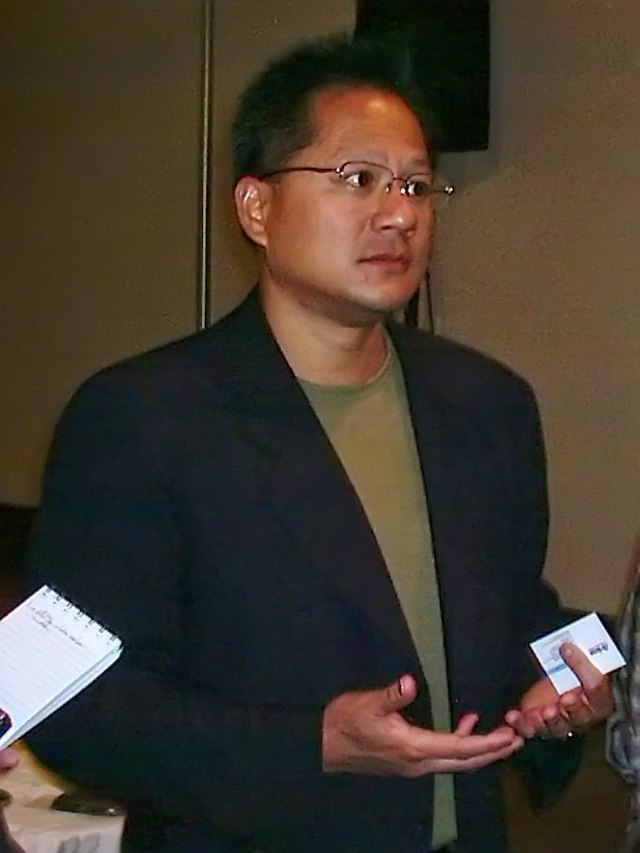
In 2007, Jensen Huang was recognized as one of the world's top CEOs by multiple prominent publications. This acknowledgment was a testament to his exceptional leadership skills and vision within the tech industry. Huang's innovative strategies and relentless drive had propelled his company to new heights, solidifying its position as a key player in the market.
With a background in engineering and a deep understanding of technology trends, Huang had steered his company towards success through a combination of bold decision-making and effective execution. Under his leadership, the company had experienced significant growth and had gained a reputation for its cutting-edge products and solutions.
The recognition as one of the world's top CEOs in 2007 had a profound impact on both Huang and his company. It brought well-deserved attention to his leadership style and management strategies, further validating his position in the industry. The acknowledgment also boosted the company's reputation and instilled confidence in investors, partners, and customers.
Huang's vision and strategic direction continued to drive the company forward, leading to even greater achievements in the years to come. His commitment to innovation and excellence paved the way for future success, solidifying his legacy as a top CEO in the global tech scene.
#JensenHuang #TopCEO #TechIndustry #InnovationLeadership
View details2006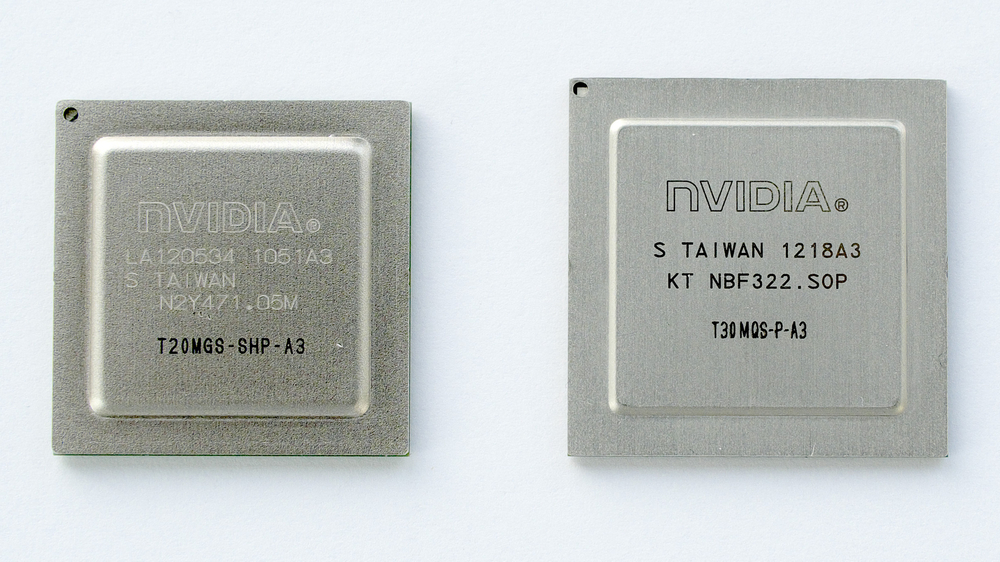
In the mid-2000s, NVIDIA made a bold move by diving into the mobile computing market with the introduction of the Tegra processor. This foray marked a significant shift for the company, known primarily for its high-performance graphics cards. Leveraging its expertise in graphics processing, NVIDIA aimed to revolutionize the mobile landscape by offering a powerful and energy-efficient processor designed specifically for smartphones and tablets.
The Tegra processor gained attention for its ability to deliver impressive graphics performance and multimedia capabilities on mobile devices. By incorporating advanced features such as HD video playback, 3D gaming support, and efficient power management, NVIDIA positioned the Tegra as a game-changer in the burgeoning mobile industry.
The impact of NVIDIA's entry into the mobile computing market was felt across the industry. Competitors were forced to up their game to match the Tegra's performance levels, leading to greater innovation and advancement in mobile processor technology. Consumers also benefited from the increased competition, enjoying more powerful and feature-rich mobile devices as a result.
Jensen Huang, the co-founder, and CEO of NVIDIA played a pivotal role in steering the company towards this strategic expansion. His vision and leadership were key in driving NVIDIA's success in the mobile computing market with the Tegra processor. Under his guidance, NVIDIA was able to carve out a niche for itself in the competitive mobile landscape, establishing a strong foothold in a rapidly growing industry.
In conclusion, the launch of the Tegra processor marked a significant milestone for NVIDIA, showcasing the company's ability to adapt and excel in new markets. By leveraging its expertise in graphics processing, NVIDIA was able to make a splash in the mobile computing sector and set a new standard for performance and innovation. #NVIDIA #TegraProcessor #JensenHuang #MobileComputing #Innovation
View details2004
In a landmark event within the semiconductor industry, Jensen Huang, the co-founder and CEO of NVIDIA, was honored with the Dr. Morris Chang Exemplary Leadership Award presented by the Fabless Semiconductor Association. This award recognizes individuals who have demonstrated inspirational leadership and significant contributions to the growth and success of the fabless semiconductor sector.
Jensen Huang co-founded NVIDIA in the 1990s and led the company through an era characterized by rapid advancements in technology and computing power. Under his guidance, NVIDIA became a pioneer in the development of graphics processing units (GPUs), which revolutionized visual computing and played a crucial role in the growth of industries such as gaming, professional visualization, and artificial intelligence.
At the time of receiving the award, NVIDIA had already established itself as a market leader, with GPUs such as the GeForce series setting new benchmarks in performance and efficiency. The company's market capitalization reflected its dominant position, and its innovations continued to push the boundaries of what was possible in both consumer electronics and high-performance computing.
The Fabless Semiconductor Association, now known as the Global Semiconductor Alliance, recognized Huang's vision and leadership. The award acknowledged his pivotal role in transforming NVIDIA into a globally influential technology company, driving both financial success and technological advancements. Huang's leadership style, characterized by a relentless focus on innovation and strategic foresight, inspired many within the industry and contributed significantly to the broader semiconductor ecosystem's growth.
The recognition also underscored the importance of the fabless business model, which allows companies to focus on design and innovation while outsourcing manufacturing. This model has been crucial in accelerating technological advancements and making cutting-edge technology more accessible.
Jensen Huang’s receipt of the Dr. Morris Chang Exemplary Leadership Award was a testament to his role in shaping the future of computing and his lasting impact on the semiconductor industry. This moment highlighted his contributions to technology and the broader implications of his work for future innovations.
#MoofLife #JensenHuang #SemiconductorLeadership #NVIDIA #TechnologyInnovation #GPURevolution #FablessModel
View details2002
Jensen Huang was recognized for his significant contributions to the field of engineering management with the Daniel J. Epstein Engineering Management Award from the University of Southern California. This award, given by the Daniel J. Epstein Department of Industrial and Systems Engineering, honors individuals who have demonstrated exceptional leadership and innovation in engineering management.
Huang, the co-founder and CEO of NVIDIA Corporation, received this accolade partly due to his pivotal role in revolutionizing the computer graphics industry. Since founding NVIDIA, Huang's vision and strategic direction have been instrumental in transforming the company into a leader in graphics processing units (GPUs) and artificial intelligence (AI). By making GPUs central to modern computing, his leadership has had lasting impacts on a myriad of sectors, including gaming, professional visualization, data centers, and automotive markets.
The decision to present this award to Huang was rooted in his engineering background and entrepreneurial success. NVIDIA's introduction of the GeForce 256, touted as the world's first GPU, marked a significant step in the gaming industry and was a testament to Huang's strategic insight. These innovations helped NVIDIA achieve remarkable market penetration and prompted advancements in graphics technology globally. Huang's management style and his commitment to fostering a culture of innovation were particularly highlighted as reasons for his selection.
The award also recognized the broader implications of Huang's work, including the expansion of GPU applications beyond gaming into areas like scientific research and AI. NVIDIA’s GPUs have become essential tools in high-performance computing and have accelerated the progress of machine learning algorithms. The practical impact of this work is seen in areas such as automated driving, medical imaging, and financial modeling.
The receipt of the Daniel J. Epstein Engineering Management Award underscores Huang's influence and achievement within the engineering and technology sectors. It served as an acknowledgment not just of Huang's past achievements, but also of his potential to drive further innovation and growth in the technology industry.
#MoofLife #EngineeringLeadership #Innovation #EngineeringManagement #JensenHuang #NVIDIA #TechIndustry #Awards
View details1999
In the summer of 1999, the tech industry witnessed a groundbreaking development with the launch of the GeForce 256, the world's first Graphics Processing Unit (GPU). This cutting-edge innovation was the brainchild of Jensen Huang, co-founder, and CEO of NVIDIA, a trailblazing technology company aiming to revolutionize the gaming and graphics industry.
Before the advent of the GeForce 256, graphics rendering was primarily handled by the computer's Central Processing Unit (CPU), limiting the speed and quality of visual output. The introduction of the GPU marked a pivotal shift by offloading intensive graphics processing tasks from the CPU to a specialized hardware unit dedicated solely to handling complex graphical computations.
The GeForce 256 was a feat of engineering, boasting advanced features such as hardware transform and lighting, as well as support for transform, clipping, lighting, and rendering operations. This powerful GPU delivered unparalleled graphics performance, enabling realistic 3D rendering, smoother gameplay, and cinematic visual effects in video games and multimedia applications.
The impact of the GeForce 256 reverberated across the tech landscape, setting a new standard for graphics processing and paving the way for the modern era of high-fidelity graphics in gaming, virtual reality, and professional visualization. Its innovative architecture laid the foundation for subsequent GPU advancements, shaping the trajectory of graphics technology for years to come.
The launch of the GeForce 256 marked a turning point in the evolution of computer graphics, propelling NVIDIA to the forefront of the GPU market and solidifying its reputation as a pioneering force in visual computing. Jensen Huang's visionary leadership and technical expertise were instrumental in bringing this groundbreaking GPU to life, reshaping the possibilities of interactive digital experiences.
#GeForce256 #GPU #JensenHuang #NVIDIA #GraphicsTechnology #Innovation
View detailsWhen Nvidia went public, it was a pivotal point in the tech industry. Jensen Huang, Nvidia's co-founder, held a 3.6% stake in the company. Before this event, Nvidia had focused on developing graphics processing units (GPUs) aimed at the gaming industry, viewing it as a growing market poised for innovation. Its most notable product was the RIVA TNT2, highly regarded for its high performance and functionality in 3D rendering.
The initial public offering (IPO) of Nvidia's stock marked its transition from an emerging tech company to a publicly traded entity on the NASDAQ stock exchange. As Nvidia’s stock started to trade, it symbolized investor confidence in the potential of GPUs not only for gaming but also for broader applications, including professional visualization and compute-intensive tasks.
The capital raised from going public provided Nvidia with the resources necessary for expanding its research and development capabilities. This positioned the company to invest in future technologies, including the development of GPUs that would later revolutionize industries such as automotive, healthcare, and artificial intelligence.
The IPO also allowed early stakeholders, including Jensen Huang, to realize a portion of their investments, albeit Huang's 3.6% share underscored his long-term commitment to the company's future success. This financial milestone proved to be a significant step for the broader adoption and development of GPU technology.
The impact of this IPO spread across the technology sector, influencing both market dynamics and competitive strategies among tech companies. Nvidia’s public trading status offered transparency into its financials and strategic direction, crucial for attracting new investors and strategic partners.
In summary, Nvidia's transition to a publicly traded company was a transformative event. It provided the company with the capital to fuel its innovation and growth strategies, solidifying its role as a leader in GPU technology.
#NvidiaIPO #JensenHuang #TechIndustry #GPU #NASDAQ #MoofLife
View detailsJensen Huang, co-founder and CEO of NVIDIA, was recognized by Ernst \u0026 Young as the Entrepreneur of the Year in High Technology. His leadership played a pivotal role in NVIDIA's ascent in the technology sector, primarily through innovations in graphic processing units (GPUs).
Huang's venture into the tech industry was marked by his vision to elevate GPU computing. Under his guidance, NVIDIA introduced breakthroughs that transformed gaming and professional visualization. The release of dedicated GPUs significantly enhanced video graphics and system performance, positioning the company as a leader in graphics technology.
At the time of the award, NVIDIA's influence was expanding. The company's GPUs were becoming critical in multiple sectors beyond gaming, including scientific research and artificial intelligence. NVIDIA's market impact was further evidenced as GPUs gained adoption across industries, cementing their role in supercomputing and deep learning applications.
The recognition from Ernst \u0026 Young highlighted Huang's innovative strategies and their substantial effects on the industry. His entrepreneurial spirit fostered a company culture focused on relentless innovation and long-term success. This award underscored not only his personal achievement but also NVIDIA’s broader contributions to technological advancement.
This acknowledgment by Ernst \u0026 Young played a role in elevating NVIDIA's status and credibility in the high-tech market. It validated Huang's approach to navigating the challenges of a competitive industry and underscored the importance of visionary leadership in driving company growth and industry evolution.
#EntrepreneurOfTheYear #InnovatorInTech #JensenHuang #GPURevolution #NVIDIA #TechLeadership #MoofLife
View details1997
During a critical period in Nvidia's early history, the company faced the looming threat of bankruptcy. Founded by Jensen Huang and his colleagues, Nvidia initially struggled to secure a foothold in the competitive graphics processing unit (GPU) market, dominated by established players.
Facing intense pressure, Nvidia unveiled the RIVA 128 graphics card, a moment that became pivotal for the company's survival. The RIVA 128 leveraged a 128-bit 3D architecture, quickly setting it apart from competitors. With 3.5 million transistors and the capability to process 100 million pixels per second, the RIVA 128 provided significant improvements in performance and image quality for the era's gaming and multimedia applications.
The launch of the RIVA 128 coincided with the rapid growth of the personal computer market. As consumers and businesses sought advanced graphical capabilities, the RIVA 128's price-performance ratio appealed to a broad audience. Tech reviewers and industry insiders noted its superior performance compared to contemporaries. The card's compatibility with Microsoft’s DirectX standard further broadened its market appeal, ensuring a smoother integration into various software environments.
Financially, the successful release of the RIVA 128 marked a turning point for Nvidia. The strong sales contributed significantly to the company's revenue, dissolving immediate financial threats and stabilizing its future. The RIVA 128's success demonstrated Nvidia's technical prowess and capacity for innovation, establishing a foundation for future product developments.
The impact of the RIVA 128 extended beyond mere survival. It positioned Nvidia as a major player in the GPU industry, laying the groundwork for the company's subsequent advancements in graphics technology, including the eventual development of the GeForce series. Nvidia’s rise influenced the broader tech industry’s approach to graphical computing, shaping the evolution of both consumer and professional applications.
#Nvidia #RIVA128 #JensenHuang #GPU #TechIndustry #Breakthrough #FinancialTurnaround #Innovation #MoofLife
View details1993
Jensen Huang co-founded NVIDIA Corporation and took on the role of its CEO. Prior to this, Huang gained experience working at companies like LSI Logic and AMD. He recognized the potential for graphics processing units (GPUs) to be used for more than just gaming and saw an opportunity to apply them to other industries such as artificial intelligence and data centers.
Under Huang's leadership, NVIDIA became a leading player in the technology industry, known for its innovation in GPU technology. The company's GPUs are now widely used in areas like gaming, artificial intelligence, autonomous vehicles, and high-performance computing.
Huang's vision and strategic decisions have been key in driving NVIDIA's success, leading the company to become a powerhouse in the semiconductor industry. His leadership has been instrumental in shaping the company's direction and maintaining its position at the forefront of technology innovation.
The event of co-founding NVIDIA Corporation and becoming its CEO marked a turning point in Huang's career, setting him on a path to becoming a prominent figure in the tech world. His contributions have had a lasting impact on the industry, transforming the way GPUs are used and cementing NVIDIA's reputation as a technology leader.
#JensenHuang #NVIDIA #CEO #TechnologyInnovation #GPU #Semiconductor
View details1992
Jensen Huang graduated from Stanford University with an M.S. in Electrical Engineering. His passion for technology and innovation had been cultivated since his early years, leading him to pursue advanced studies in the field. His time at Stanford was marked by long hours of studying, conducting research, and collaborating with like-minded individuals.
Earning an M.S. in Electrical Engineering from Stanford University served as a pivotal moment in Jensen Huang's career. The knowledge and skills acquired during his studies equipped him with a strong foundation in the field, enabling him to embark on a successful career in technology. His experience at Stanford broadened his perspectives and shaped his approach to problem-solving and innovation.
Upon completion of his degree, Jensen Huang ventured into the tech industry, where he applied his expertise in electrical engineering to work on cutting-edge projects. His academic achievements from Stanford University opened doors to various opportunities, allowing him to make significant contributions to the field of technology.
Earning an M.S. in Electrical Engineering from Stanford University was a testament to Jensen Huang's dedication and perseverance. It underscored his commitment to excellence and continuous learning, values that would drive his future endeavors in the technology sector. The knowledge and experiences gained during his time at Stanford continue to influence his work and thinking, serving as a solid foundation for his accomplishments.
#JensenHuang #StanfordUniversity #ElectricalEngineering #Innovation #Technology
View details