Sino-Indian War Reveals India's Defense Weaknesses, Prompts Military Modernization and Economic Growth
India
Political
Military
4 min read
Updated By: History Editorial Network (HEN)
Published:
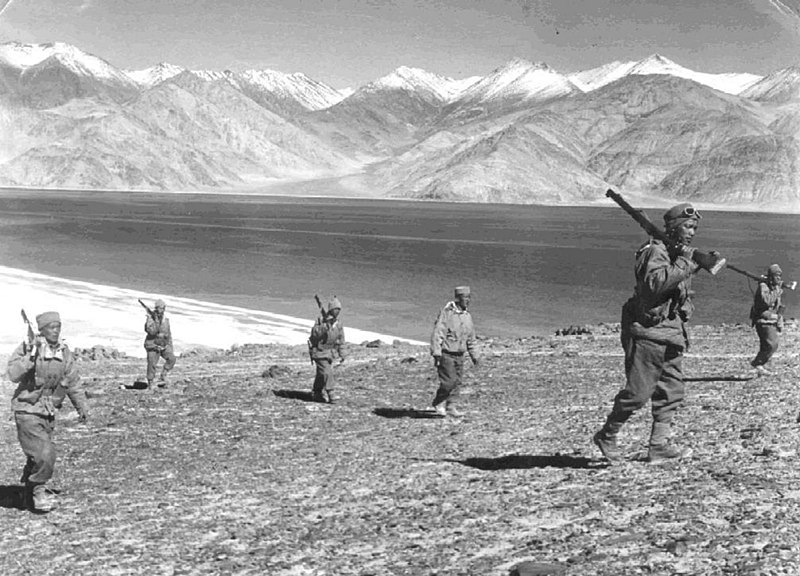
The Sino-Indian War, a conflict between India and China, revealed significant weaknesses in India’s defense infrastructure. The hostilities were the result of a long-standing border dispute exacerbated by differing national interests and perceptions of territorial claims. China's swift and decisive military actions against Indian forces highlighted the deficiencies in India's defense preparedness and the limitations of its military capabilities.
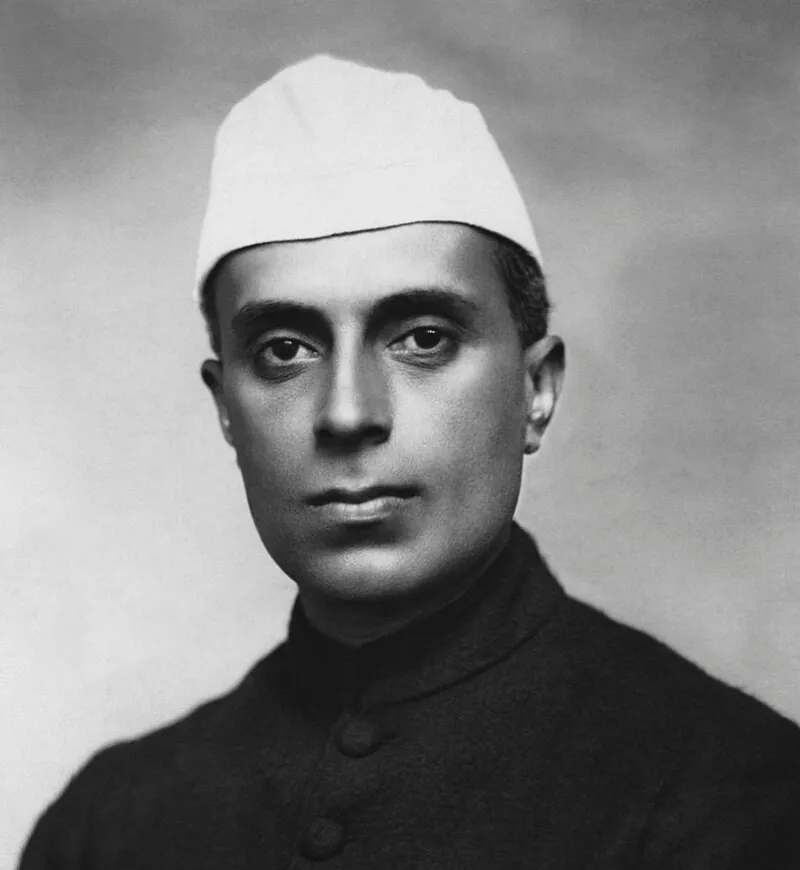
Prime Minister Jawaharlal Nehru faced considerable criticism due to lapses in military strategy and judgment. The war underscored the pressing need for a robust defense system to safeguard the nation’s sovereignty. In response, Nehru initiated comprehensive measures to modernize the military. He recognized the necessity of a well-equipped, trained, and strategically adaptive defense force to handle potential future conflicts. This pivot included increased defense spending, acquisition of advanced weaponry, and enhancement of military training programs.
The emphasis on military modernization did not overshadow India’s economic ambitions. Nehru continued to focus on industrial growth and development initiatives aimed at improving the nation's infrastructure and overall economic health. Balancing defense and economic priorities became a cornerstone of his administration’s policies.
The conflict yielded crucial lessons for India on the importance of maintaining a state of readiness and the need to invest consistently in defense capabilities. This strategic shift had lasting implications on India’s defense policy and military doctrine.
#IndiaDefense #NehruLegacy #SinoIndianWar #MilitaryModernization #EconomicGrowth #HistoricalTurningPoint #MoofLife
Primary Reference
China- The Three Warfares 201305
Explore the Life Moments of
 AI Twin