Nehru's Push for Uniform Civil Code in Secular India
India
Political
Social Justice
5 min read
Updated By: History Editorial Network (HEN)
Published:
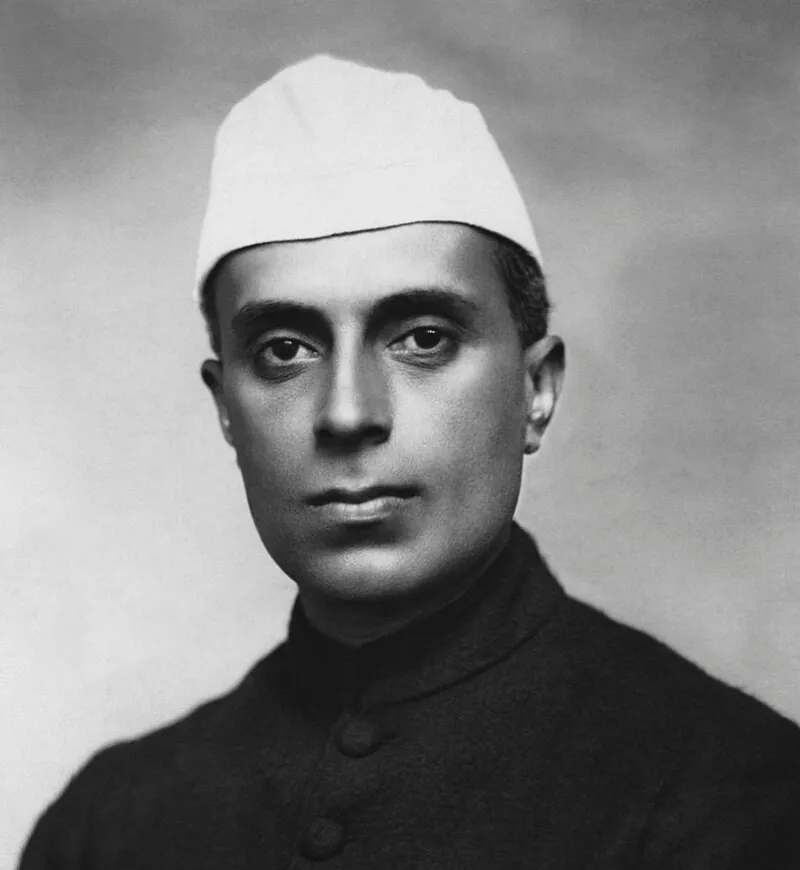
Jawaharlal Nehru's vision for a secular India was reinforced with the inclusion of Article 44 in the Directive Principles of State Policy, which calls for a Uniform Civil Code (UCC). This article was created to promote the idea that all citizens, irrespective of their religion, should be governed by a common set of laws related to personal matters such as marriage, divorce, inheritance, and adoption. Nehru, who was India's first Prime Minister, believed that such a code was essential for the unity and integrity of the nation.
The backdrop of this development was India's struggle to balance modern secular governance with its deeply rooted religious and cultural diversity. The framers of the Indian Constitution aimed to create a framework that would promote social equality and justice. Nehru's advocacy for a UCC stemmed from the goal of ensuring that individual rights were not suppressed by traditional or religious customs that varied widely across different communities.
The impact of including Article 44 has been significant in sparking debates and discussions about the nature of secularism in India and the state's role in regulating customary practices. Though the article was meant as a directive principle and was not enforceable by law, it has served as a guiding objective for future policymakers and legal reforms. The idea was to encourage the gradual adoption of a UCC that would replace the existing personal laws, which are based on various religious scriptures and customs.
The push for a Uniform Civil Code has faced resistance from various religious groups who view it as an encroachment on their religious freedoms. However, supporters of the UCC argue that it is necessary for ensuring gender equality and the protection of individual rights. The discourse surrounding Article 44 and the UCC remains a contentious and evolving aspect of India's legal and social landscape.
Numbers and studies vary on public support; some suggest significant backing while others highlight considerable opposition. Despite its non-binding nature, Article 44 continues to influence legislative and judicial thinking, encouraging ongoing reforms aimed at harmonizing personal laws with constitutional values.
#Nehru #IndianConstitution #UniformCivilCode #Secularism #DirectivePrinciples #SocialJustice #MoofLife
Primary Reference
Charting a New Path Toward Gender Equality in India: From ...
Explore the Life Moments of
 AI Twin