Impact of Jawaharlal Nehru's 'Toward Freedom': Critique of Religion and Advocacy for Secularism.
India

Political
Ideology
4 min read
Updated By: History Editorial Network (HEN)
Published:
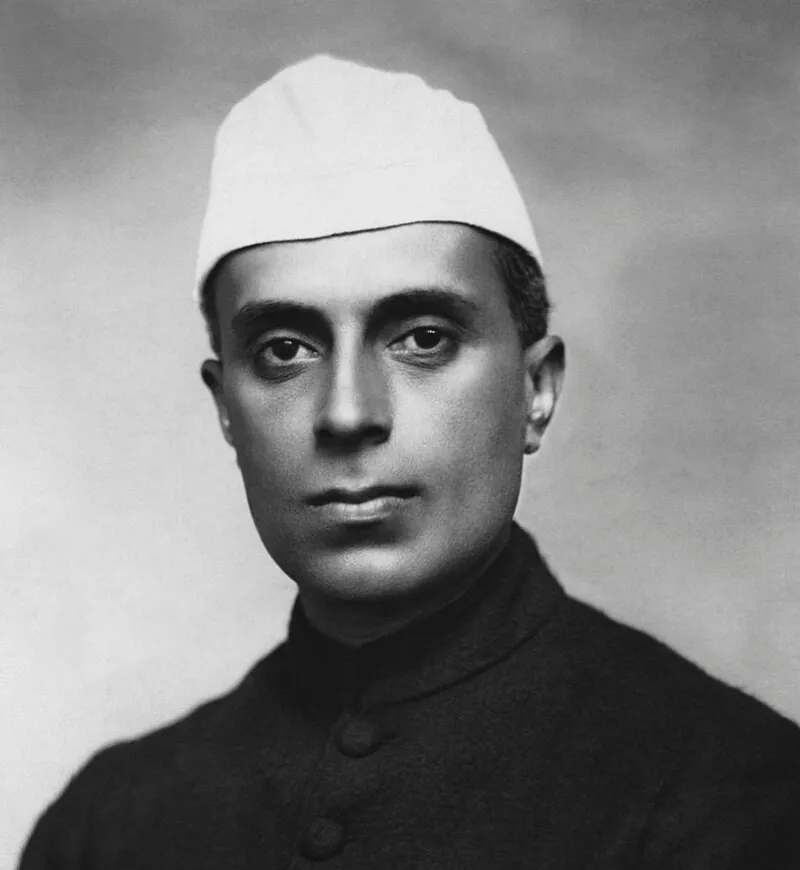
Jawaharlal Nehru, a prominent political leader of the Indian independence movement, published his autobiography titled 'Toward Freedom'. In his work, Nehru critiqued organized religion and advocated for secularism, outlining his vision for an independent India. This publication occurred during a period of intense political activity and ideological debate in India.
Nehru’s critique of organized religion stemmed from his observations of its divisive role in society. He argued that organized religion often led to conflict and hindered rational thinking. Nehru promoted secularism as a foundation for unity in a diverse country. His advocacy for secularism was not an opposition to spiritual belief but urged the separation of religion from state affairs.
'Toward Freedom' contained Nehru’s reflections on his personal experiences, political philosophy, and his aspirations for India's future. The book resonated with many Indians who were frustrated with colonial rule and sought a progressive alternative.
The open critique of organized religion and support for secular values played a vital role in shaping modern Indian political thought. Nehru's ideas influenced the framing of the Indian constitution, which emphasizes secularism and equality among citizens regardless of their faith.
Jawaharlal Nehru's autobiographical work thus had a lasting impact on the national and political landscape of India. It encouraged a discourse that valued rationalism and inclusivity over religious orthodoxy.
#MoofLife #TowardFreedom #JawaharlalNehru #Secularism #IndianIndependence #OrganizedReligion #PoliticalPhilosophy #IndianPolitics
Primary Reference
6 Nehru and Religion | Jawaharlal Nehru: Rebel and Statesman ...
Explore the Life Moments of
 AI Twin