Nehru and Congress Leaders Released: Turning Point in Indian Independence Struggle.
India
Political
Global Trade
4 min read
Updated By: History Editorial Network (HEN)
Published:
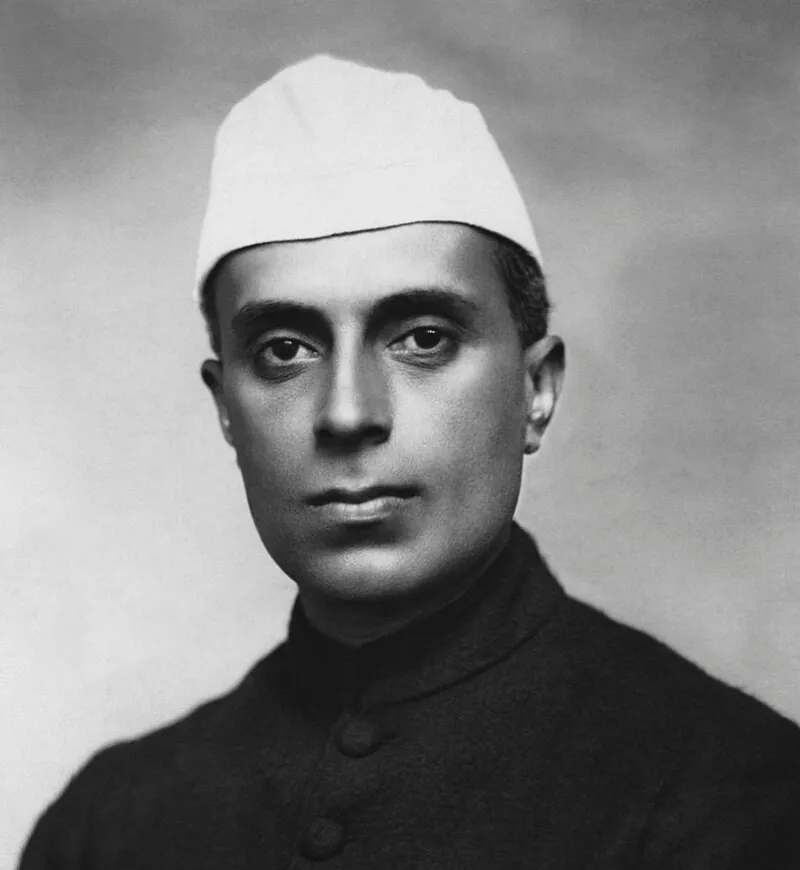
In early December, Jawaharlal Nehru, along with other key Congress leaders, was released from jail by British authorities. Their detention was part of the British efforts to suppress the Indian independence movement led by the Indian National Congress, which had intensified during World War II. This event marked a critical juncture in the Indian independence struggle.
Previously, Nehru and his colleagues had been imprisoned for participating in civil disobedience and protests against British colonial rule. Their release came at a time of heightened global tensions, as World War II was already causing widespread turmoil. The decision to release these leaders was a strategic move by the British government, aimed at garnering Indian support for the war effort against the Axis powers.
Nehru, an influential leader in the fight for India's independence, quickly resumed his role in organizing and motivating the masses. The Congress leaders' release invigorated the freedom movement and brought international attention to India's quest for self-rule. This development occurred just days before a major global event—the bombing of Pearl Harbor, which led to the United States' entry into World War II.
The release underscored the complex geopolitical landscape, with the British government seeking to balance its repressive policies in India with the need to rally support against the broader threats posed by the war. This incident highlighted the interconnectedness of global events and the strategic calculations behind colonial governance.
#Nehru #IndianIndependence #CongressLeaders #PearlHarbor #WorldWarII #IndianFreedomStruggle #GlobalPolitics #Colonialism #MoofLife
Primary Reference
Jawaharlal Nehru - Wikipedia
Explore the Life Moments of
 AI Twin