Attempted assassination on India's Prime Minister Nehru prompts tighter security measures post-independence.
India
Political
Security
4 min read
Updated By: History Editorial Network (HEN)
Published:
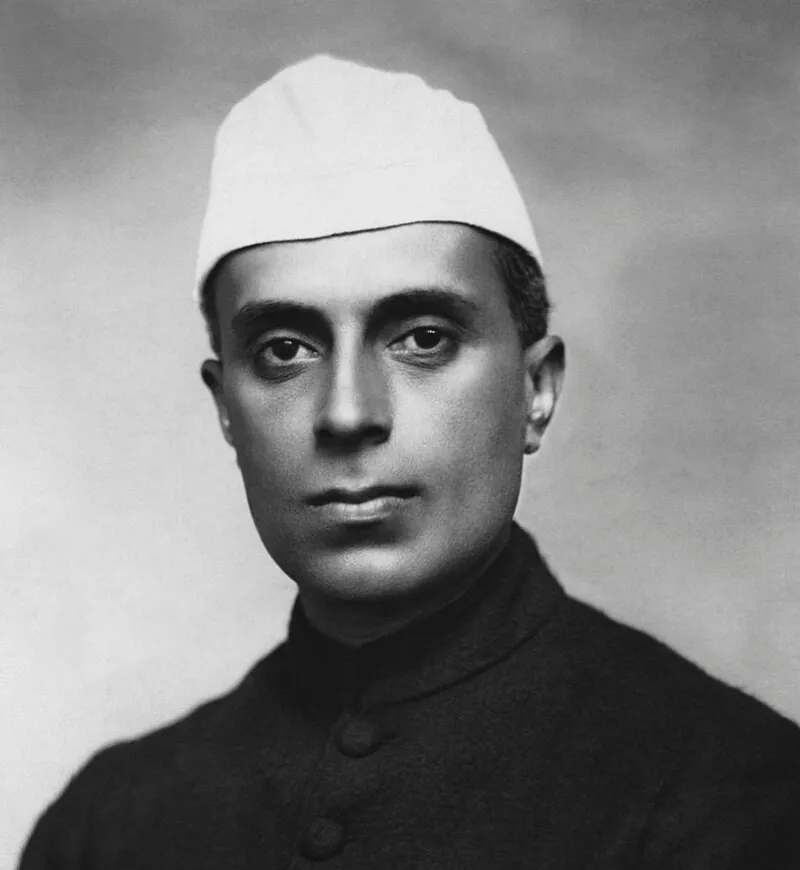
Jawaharlal Nehru, India's first Prime Minister, was subjected to a critical security threat when Baburao Laxman Kochale attempted to attack him with a knife near Nagpur. The incident unfolded during one of Nehru's visits to the region, as part of his broader political engagements and efforts to connect with various parts of the country post-independence.
Baburao Laxman Kochale, a local individual, managed to approach Nehru during a public event. The attacker came remarkably close to the Prime Minister and brandished a knife. However, the police and security personnel reacted promptly, overpowering Kochale before he could inflict any harm on Nehru. The quick response of the security personnel averted a potentially catastrophic event.
This incident had significant implications for the security protocols surrounding public figures in India. It highlighted the vulnerability and risks associated with public appearances by prominent leaders. Subsequently, it led to a reassessment and tightening of security measures for Nehru and other key political figures. The attempt on Nehru's life underscored the tense political climate of the period, reflecting the undercurrents of dissatisfaction and unrest still present in the early years of the newly independent nation.
Though no one was hurt, the attempted attack brought to the fore the complexities of ensuring safety in burgeoning democracies. It also emphasized the importance of vigilance and preemptive security strategies to protect leaders who stood as symbols of the national movement and the new government.
This event remains a stark reminder of the ongoing balancing act between maintaining an accessible leadership and ensuring their protection in a diverse political landscape.
#MoofLife #Nehru #Security #PoliticalHistory #India
Explore the Life Moments of
 AI Twin