Jawaharlal Nehru's continued leadership in shaping modern India through socialist policies and non-alignment diplomacy.
India
Political
Indian
3 min read
Updated By: History Editorial Network (HEN)
Published:
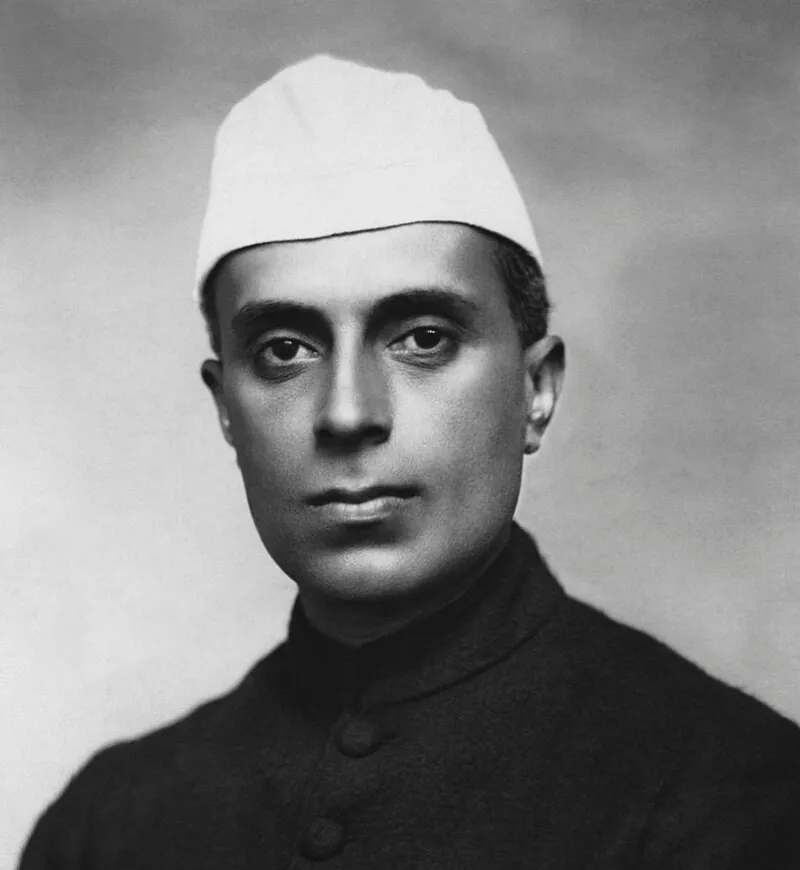
Jawaharlal Nehru, having been a central figure in India's independence movement, was elected to the 3rd Lok Sabha, beginning his third term as both the Prime Minister and External Affairs Minister of India. This period marked his continued leadership and influence in shaping modern India. Serving as Prime Minister since independence, Nehru's tenure was characterized by his efforts to implement socialist-inspired economic and social policies, aiming for India's self-sufficiency and industrialization.
As External Affairs Minister, Nehru promoted a foreign policy based on non-alignment, seeking to assert India's neutrality amidst Cold War tensions. His vision contributed to India playing a crucial role in international peacekeeping and establishing itself as a democratic yet non-aligned leader. Domestically, Nehru focused on initiatives that expanded educational opportunities, healthcare, and infrastructure development.
Nehrus's election to the 3rd Lok Sabha came at a critical juncture, reflecting the electorate's continued support for his policies and vision for India’s path forward. The support demonstrated the public's trust in his governance and direction during a period of global uncertainty and change.
#MoofLife #JawaharlalNehru #IndianPolitics #LokSabha #PrimeMinister #ExternalAffairs
Primary Reference
Smt. Indira Gandhi | Prime Minister of India
Explore the Life Moments of
 AI Twin