Jawaharlal Nehru's Arrest: Defying British Salt Law in Indian Independence Movement
India
Political
Global Trade
4 min read
Updated By: History Editorial Network (HEN)
Published:
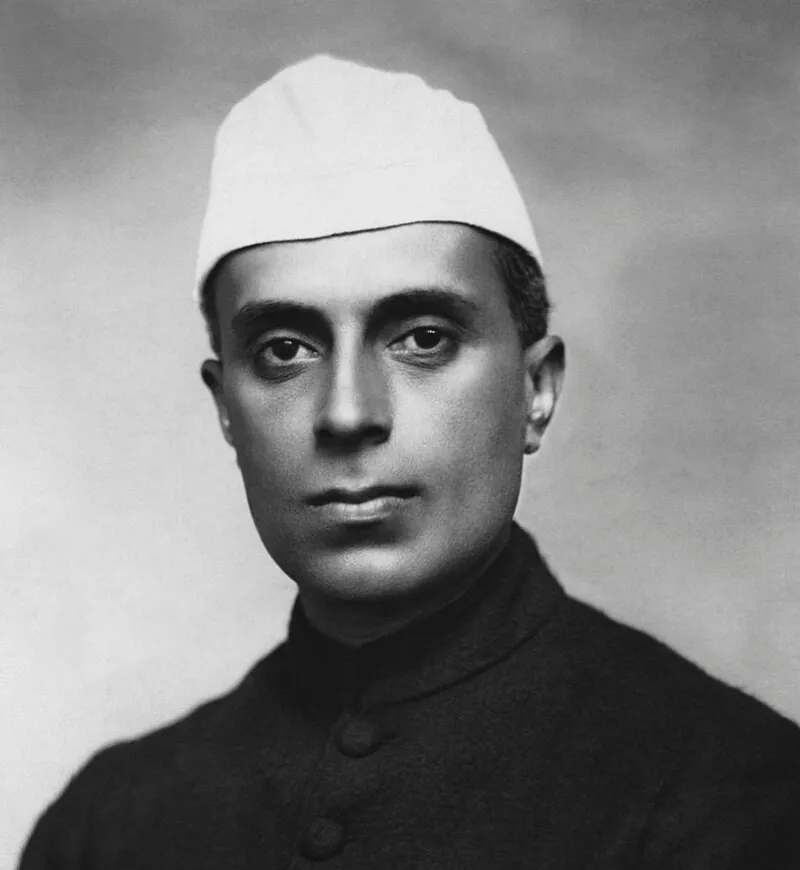
Jawaharlal Nehru was arrested on a train traveling from Allahabad to Raipur for making contraband salt and charged with breaching the salt law. This incident took place within the broader context of the Indian independence movement, particularly during the Civil Disobedience Movement led by Mahatma Gandhi. The salt law, imposed by the British colonial government, prohibited Indians from collecting or selling salt independently, forcing them to buy heavily taxed salt from government agents.
The defiance of the salt law became a powerful symbol of resistance against British rule. Nehru’s arrest was part of a larger wave of civil disobedience that included the famous Salt March to the coastal village of Dandi where Gandhi himself led followers to produce salt from seawater. Nehru's engagement in this act of defiance underscored the widespread participation of Indian leaders in opposing colonial laws.
The arrest drew significant attention to the civil disobedience campaign, bringing global awareness to the Indian struggle for independence. Nehru, a prominent leader of the Indian National Congress, used this platform to further inspire the Indian populace to join the movement and assert their rights. The momentum generated by such arrests and protests eventually led to negotiations that included pivotal figures like Gandhi, resulting in a greater push towards self-rule.
Nehru’s arrest exemplified the nonviolent resistance strategy and highlighted the oppressive measures of the British Raj. The crackdown on peaceful protestors did not deter the independence movement but rather galvanized support. The civil disobedience acts set the stage for continued resistance, pushing India closer to its goal of independence.
#CivilDisobedience #SaltSatyagraha #IndianIndependence #Nehru #FreedomStruggle #ColonialResistance #MoofLife
Primary Reference
Jawaharlal Nehru - Wikipedia
Explore the Life Moments of
 AI Twin