Jawaharlal Nehru's First Imprisonment: A Catalyst for India's Independence Movement
India
Political
5 min read
Updated By: History Editorial Network (HEN)
Published:
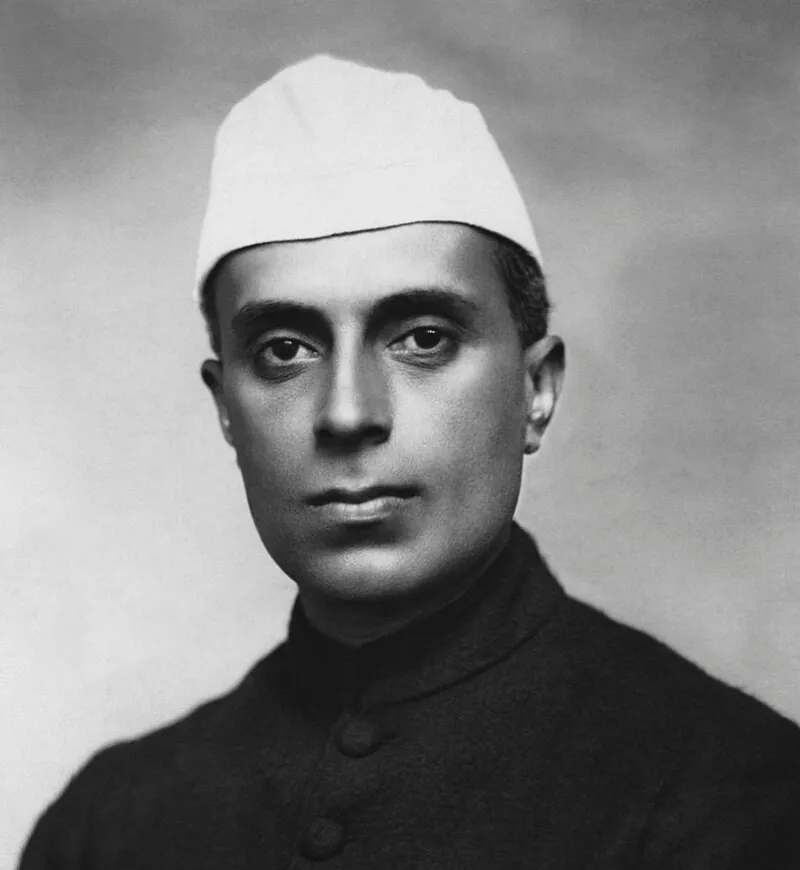
Jawaharlal Nehru, an integral figure in the Indian struggle for independence, was imprisoned for the first time due to anti-government activities. This event marked the beginning of many incarcerations for Nehru, who would go on to play a central role in India's journey towards independence from British colonial rule. Born into a politically active family, Nehru was heavily influenced by his father, Motilal Nehru, and his association with Mahatma Gandhi further deepened his commitment to the cause.
Nehru's arrest was a result of his participation in the non-cooperation movement, which aimed at non-violent resistance against British policies. This movement saw widespread boycotts of British goods, institutions, and laws, aiming to undermine British authority in India. Nehru's involvement was crucial as it brought attention to the movement, especially among the younger generation and educated Indians, who began to see the practicality of non-violent resistance.
The impact of Nehru's imprisonment was significant in the broader context of the independence movement. It highlighted the repressive measures employed by the British government to stifle dissent and, paradoxically, garnered greater support for the independence cause. Nehru’s incarceration illustrated the personal sacrifices made by leaders of the movement and galvanized public opinion against colonial rule.
Statistically, the non-cooperation movement saw unprecedented participation, with thousands of Indians joining demonstrations and refusing to comply with British regulations. The surge in nationalist sentiment can be partially attributed to the leadership and personal sacrifices of figures like Nehru. His imprisonment became a symbol of the broader struggle for freedom and underscored the determination of Indian leaders to achieve self-rule.
In summary, Nehru's first imprisonment for anti-government activities was a pivotal event in the Indian independence movement. It underscored the repressive nature of British colonial rule and highlighted the significant sacrifices made by Indian leaders. This moment helped mobilize greater support for the cause and demonstrated the effectiveness of collective non-violent resistance in the struggle for independence.
#Nehru #IndependenceMovement #NonCooperationMovement #ColonialRule #IndianHistory #SacrificeForFreedom #MoofLife
Primary Reference
Jawaharlal Nehru - Wikipedia
Explore the Life Moments of
 AI Twin