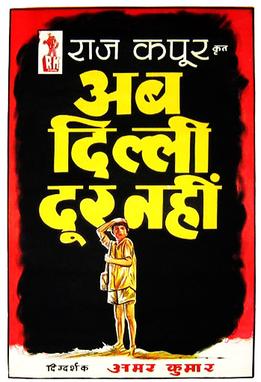
Boy seeks Nehru's help in "Ab Dilli Dur Nahin," reflecting hope and justice in post-independence India.
India
Entertainment
Political
4 min read
Updated By: History Editorial Network (HEN)
Published:
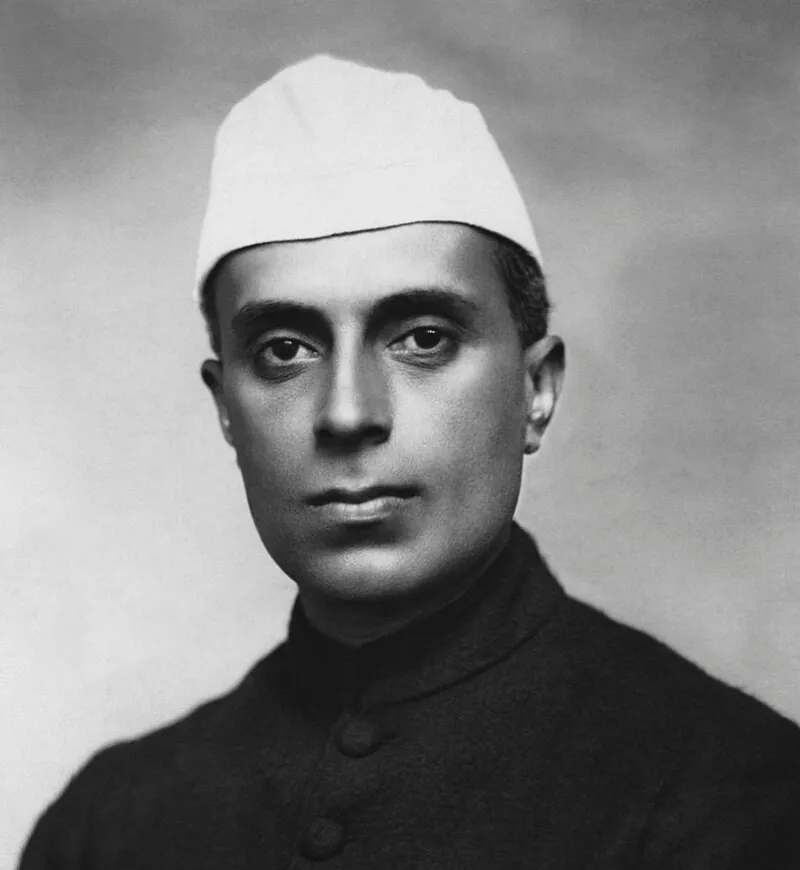
In a pivotal scene from the film "Ab Dilli Dur Nahin," directed by Amar Kumar, a young boy seeks the help of Jawaharlal Nehru, India's first Prime Minister, in a bid to save his father who has been wrongly convicted. The film, which draws inspiration from social realities, portrays the profound belief in justice and innocence that resonated with the masses during the period.
Nehru's presence in the film is symbolic of hope and the judicial integrity expected from the new Republic of India. The narrative follows the boy's determined journey to Delhi, encapsulating the struggles and aspirations of the common people. The film leveraged Nehru's widespread popularity and his image as a compassionate leader who was accessible to every citizen, irrespective of their social standing.
The inclusion of Nehru in a cinematic portrayal served not only to elevate the dramatic effect of the storyline but also to deeply embed the principles of justice and governance among the audience. This moment in the film became emblematic of the era's cinematic trends that often mirrored the nation's socio-political climate, highlighting themes of truth, perseverance, and moral righteousness.
"Ab Dilli Dur Nahin" stands as a cultural artifact that reflects the post-independence societal challenges and the faith that citizens placed in democratic institutions to rectify injustices. The film's narrative, featuring Nehru, underscored the public's trust in their leaders and the judicial system at a time when the nation was forging its identity.
#NehruInCinema #JusticeAndInnocence #PostIndependenceIndia #MoofLife
Primary Reference
Youth in Film
Explore the Life Moments of
 AI Twin