Jawaharlal Nehru's Leadership in India's Third General Election: Shaping the New Political Landscape
India

Political
5 min read
Updated By: History Editorial Network (HEN)
Published:
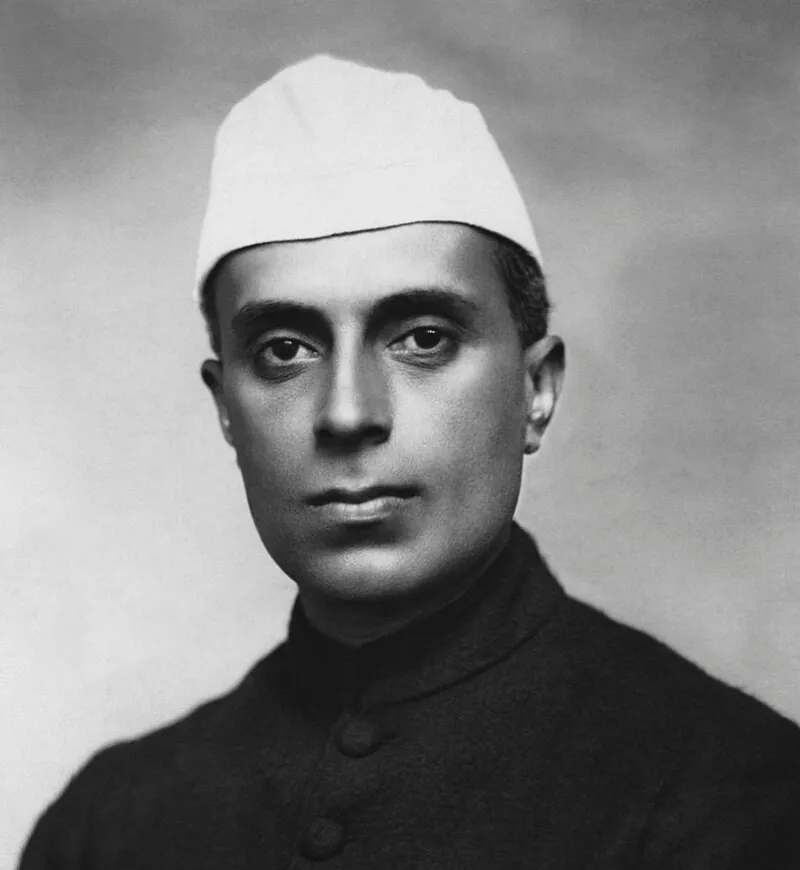
Jawaharlal Nehru, the first Prime Minister of independent India, guided the Indian National Congress to a decisive victory in India's third general election. This election was instrumental in shaping the early political landscape of the newly independent country.
Nehru's leadership was pivotal as the Congress Party continued to sustain its dominance in the Lok Sabha, the lower house of India's Parliament. Nehru's government focused on economic development, scientific progress, and maintaining democracy, which garnered widespread public support. With an electorate of over 210 million people, voter turnout was impressive, reflecting the engagement and enthusiasm of Indian citizens in the democratic process.
The results saw the Indian National Congress secure 361 out of 494 seats, further consolidating their political influence and providing Nehru's administration with a strong mandate to pursue their policies. The opposition, while fragmented, did manage to gain a foothold, with notable performances from the Communist Party of India, which emerged as a significant player in the political arena.
The election's outcome solidified Nehru's vision of a secular, democratic, and progressive India. However, the period also witnessed rising challenges, including regional disparities, social inequalities, and external threats. Nonetheless, the Congress's victory ensured political stability, a necessary condition for the continuation of nation-building efforts.
Nehru's tenure saw significant strides in industrialization, education, and healthcare, adhering to his vision of a modern Indian state. Nonetheless, the geopolitical scenario was fluid, with increasing tensions on the northern borders, which hinted at future conflicts.
The victory underscored the Indian electorate's endorsement of Nehru's policies and his role as a unifying figure in the nascent republic. This period was marked by a strong emphasis on state-led economic initiatives, non-alignment in foreign policy, and efforts to forge a unified post-colonial national identity.
#Nehru #Congress #IndiaElections #IndianDemocracy #PoliticalHistory #MoofLife
Primary Reference
1962 Indian general election - Wikipedia
Explore the Life Moments of
 AI Twin