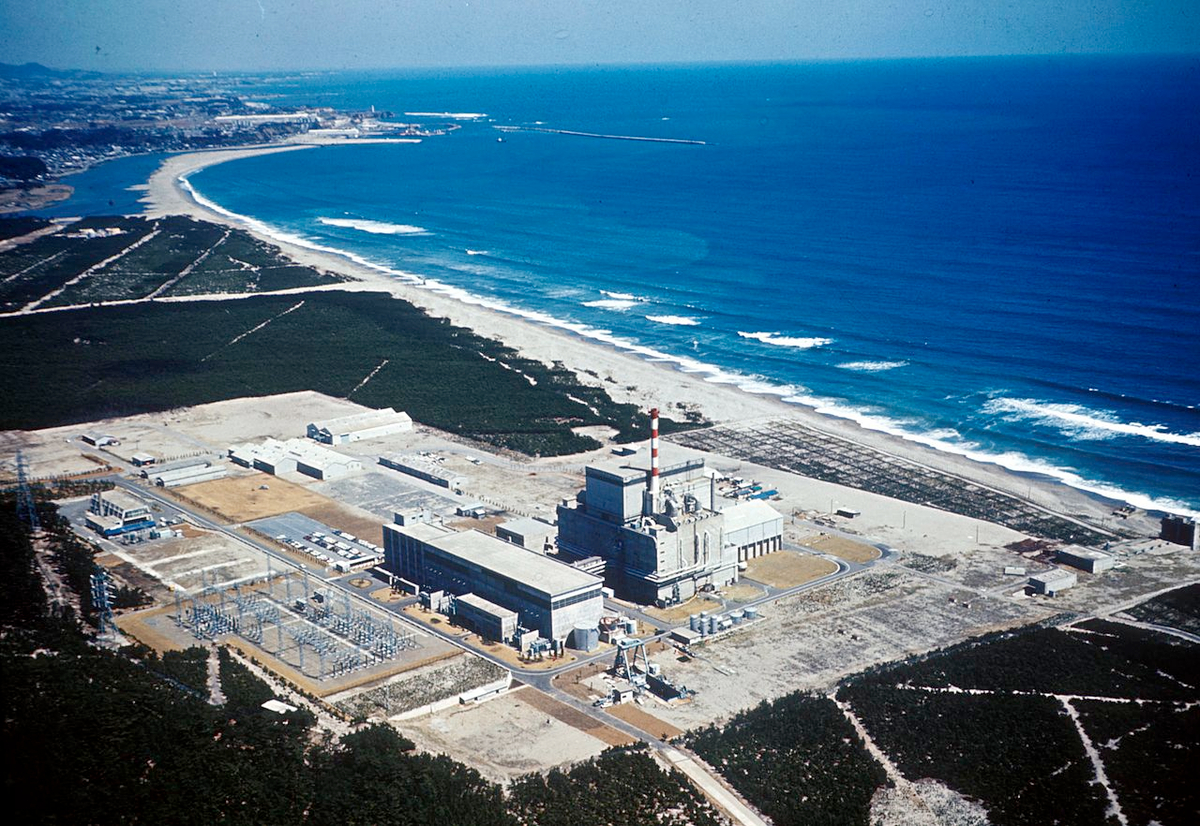
Uranium Reprocessing Facility Accident in Tōkai-mura
Japan

Environmental
Safety
4 min read
Updated By: History Editorial Network (HEN)
Published:
In the uranium reprocessing facility in Tōkai-mura, northeast of Tokyo, Japan, a criticality accident took place, marking it as the worst nuclear disaster the country had ever faced. The incident occurred during a process involving the uncontrolled nuclear fission of uranium, leading to the release of a significant amount of radioactive material into the atmosphere.
The event unfolded when workers miscalculated the amount of uranium solution in the enrichment tanks, causing a self-sustaining nuclear chain reaction. The resulting explosion exposed three employees to high levels of radiation. The onsite emergency response team struggled to contain the situation, resulting in a delayed evacuation order for residents living in the surrounding areas. The mishandling of the accident and inadequate safety measures exacerbated the disaster's impact.
The aftermath of the incident was felt on various fronts. The three workers directly involved in the accident suffered from severe radiation poisoning, with two of them losing their lives within months. The surrounding environment was contaminated with radioactive substances, prompting extensive cleanup efforts and long-term health concerns for the local population. The incident also raised considerable alarm and scrutiny regarding Japan's nuclear safety protocols and oversight of its nuclear facilities.
The Tōkai-mura nuclear accident serves as a stark reminder of the devastating consequences that nuclear disasters can bring. It underlines the pressing need for comprehensive safety regulations, stringent operational procedures, and effective emergency response protocols in nuclear facilities to mitigate risks and prevent similar incidents in the future.
#Japan #NuclearDisaster #TōkaiMura #RadiationExposure #SafetyRegulations
Explore the Life Moments of
 AI Twin