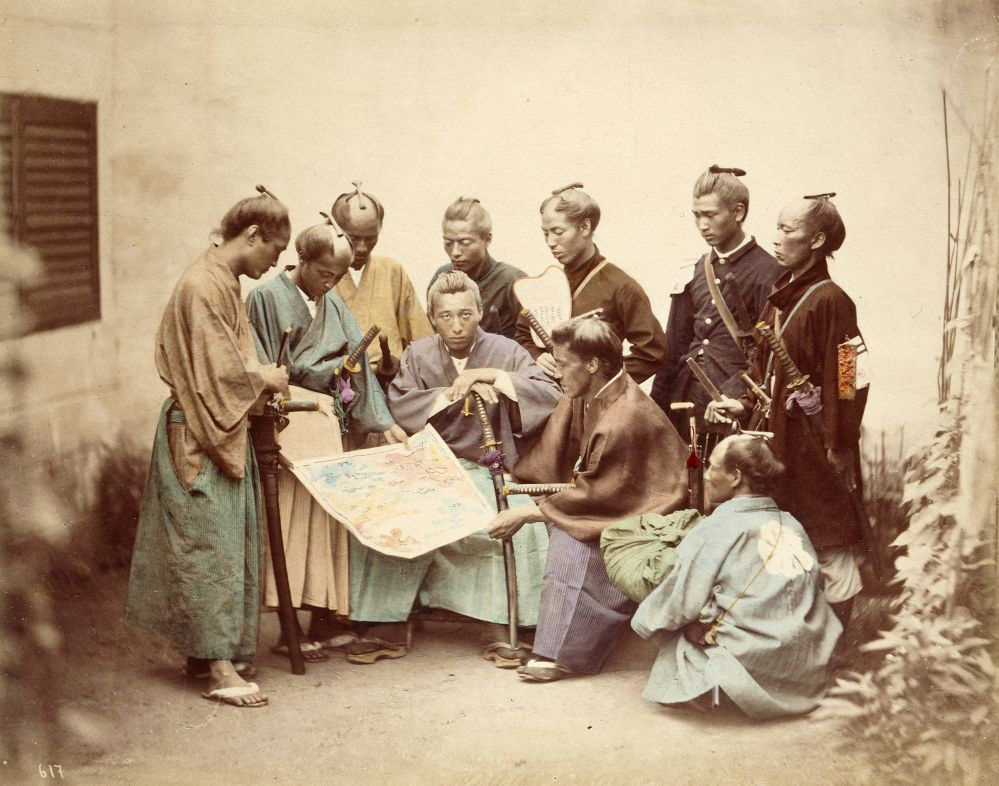
End of the Shogunate Era
Japan

Political
4 min read
Updated By: History Editorial Network (HEN)
Published:
InJapan, the Shogunate was a system of military rule that had been in place for centuries. During this period, the country was divided into different feudal domains ruled by various warlords known as daimyo. In 1868, a series of events led to the end of the Shogunate and the restoration of power to the Emperor. This period came to be known as the Meiji Restoration.
The decline of the Shogunate can be traced back to the arrival of Western powers in the mid-19th century and the increasing pressure to open up Japan to foreign trade. The Shogunate's inability to effectively deal with these external threats and its internal corruption and economic issues led to widespread unrest among the population.
A group of young samurai and nobles known as the Meiji oligarchs seized the opportunity to restore power to the Emperor and modernize Japan. They launched a series of reforms aimed at centralizing power, modernizing the military, economy, and society, and adopting Western technology and institutions.
The abolition of the Shogunate marked a significant turning point in Japanese history. It marked the end of feudalism and the beginning of Japan's rapid modernization and industrialization. The Meiji government implemented sweeping reforms that transformed Japan into a modern nation-state with a strong centralized government, a modern military, and a rapidly industrializing economy.
The Meiji Restoration also had a profound impact on Japanese society. It brought an end to centuries of isolation and set Japan on the path to becoming a major world power. The abolition of the Shogunate paved the way for the emergence of a new political and social order that set the stage for Japan's rise as a major player on the world stage in the 20th century.
#MeijiRestoration #Modernization #EmperorRestored #JapanRise
Explore the Life Moments of
 AI Twin