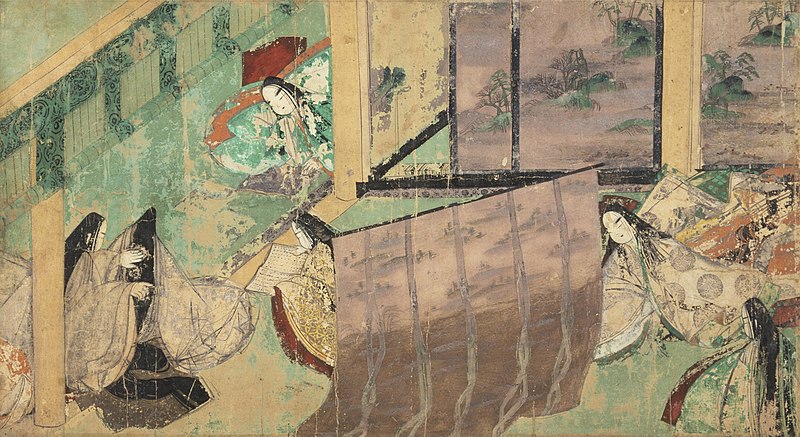
The Heian period begins, characterized by the flourishing of arts and literature in Japan.
Japan

9 min read
Updated By: History Editorial Network (HEN)
Published:
Updated:
In 794 AD, a pivotal moment in Japanese history occurred with the establishment of the Heian period. This era, lasting until 1185, is celebrated for its profound cultural and artistic achievements, marking the flourishing of arts, literature, and a distinct Japanese identity.
The Heian period began when Emperor Kanmu moved the capital from Nara to Heian-kyō, modern-day Kyoto. This relocation was motivated by several factors, including political maneuvering, the desire to escape the influence of powerful Buddhist monasteries in Nara, and the search for a more strategically favorable location. Heian-kyō was meticulously planned based on Chinese capital designs, reflecting the significant influence of Chinese culture on Japan at the time.
One of the most notable aspects of the Heian period was the development of a sophisticated court culture. The imperial court became the epicenter of Japanese culture, with aristocrats engaging in various artistic pursuits, including poetry, painting, calligraphy, and music. This period saw the composition of some of Japan's most famous literary works, which continue to be revered today.
The "Kokin Wakashū," an anthology of waka poetry, compiled in the early 10th century, is a quintessential example of Heian literature. It reflects the aesthetic preferences and emotional expressions of the aristocracy. Waka, a form of poetry consisting of 31 syllables, became a popular means of communication among the elite, who valued poetic skill and subtle expression.
Another landmark work from this period is "The Tale of Genji" (Genji Monogatari), written by the noblewoman Murasaki Shikibu in the early 11th century. Often considered the world's first novel, it provides an intricate depiction of court life and the romantic adventures of its protagonist, Hikaru Genji. This masterpiece offers valuable insights into the aesthetics, social customs, and interpersonal dynamics of the Heian court.
Women played a significant role in Heian literature, often writing in kana, the phonetic script developed during this period. This script made writing more accessible and allowed for the expression of personal thoughts and experiences, as seen in "The Pillow Book" (Makura no Sōshi) by Sei Shōnagon, a contemporary of Murasaki Shikibu. "The Pillow Book" is a collection of essays, lists, and anecdotes that paint a vivid picture of courtly life with wit and keen observation.
The Heian period also witnessed the flourishing of visual arts. Emaki, or picture scrolls, became a popular art form, combining narrative text with illustrations. These scrolls often depicted scenes from literary works, religious stories, and historical events, providing a visual complement to the rich literary culture.
Religious life during the Heian period was dominated by the esoteric sects of Buddhism, such as Shingon and Tendai, which emphasized complex rituals and mystical teachings. The aristocracy's patronage of these sects led to the construction of magnificent temples and the creation of elaborate religious art. The blending of Buddhist and native Shinto beliefs also characterized this period, reflecting the syncretic nature of Japanese spirituality.
The political structure of the Heian period was characterized by the dominance of the Fujiwara clan, who exerted significant influence over the imperial family through strategic marriages and regencies. This period of relative peace and stability allowed for the continued development of culture and arts.
Despite the cultural achievements, the Heian period was not without its challenges. The power of the central government gradually declined, leading to the rise of provincial military clans and the eventual emergence of the samurai class. This shift in power dynamics set the stage for the end of the Heian period and the beginning of the Kamakura period, marked by the establishment of the shogunate.
In summary, the Heian period, beginning in 794 AD, stands as a golden age in Japanese history, characterized by extraordinary advancements in arts, literature, and culture. The legacy of this era, seen in its literary masterpieces, artistic achievements, and cultural developments, continues to influence and inspire Japanese culture to this day.
#MomentsOfLife #MoofLife_Moment #MoofLife #HeianPeriod #JapaneseCulture #LiteraryHistory #TheTaleOfGenji #CourtLife #WakaPoetry #JapaneseArt
Explore the Life Moments of
 AI Twin