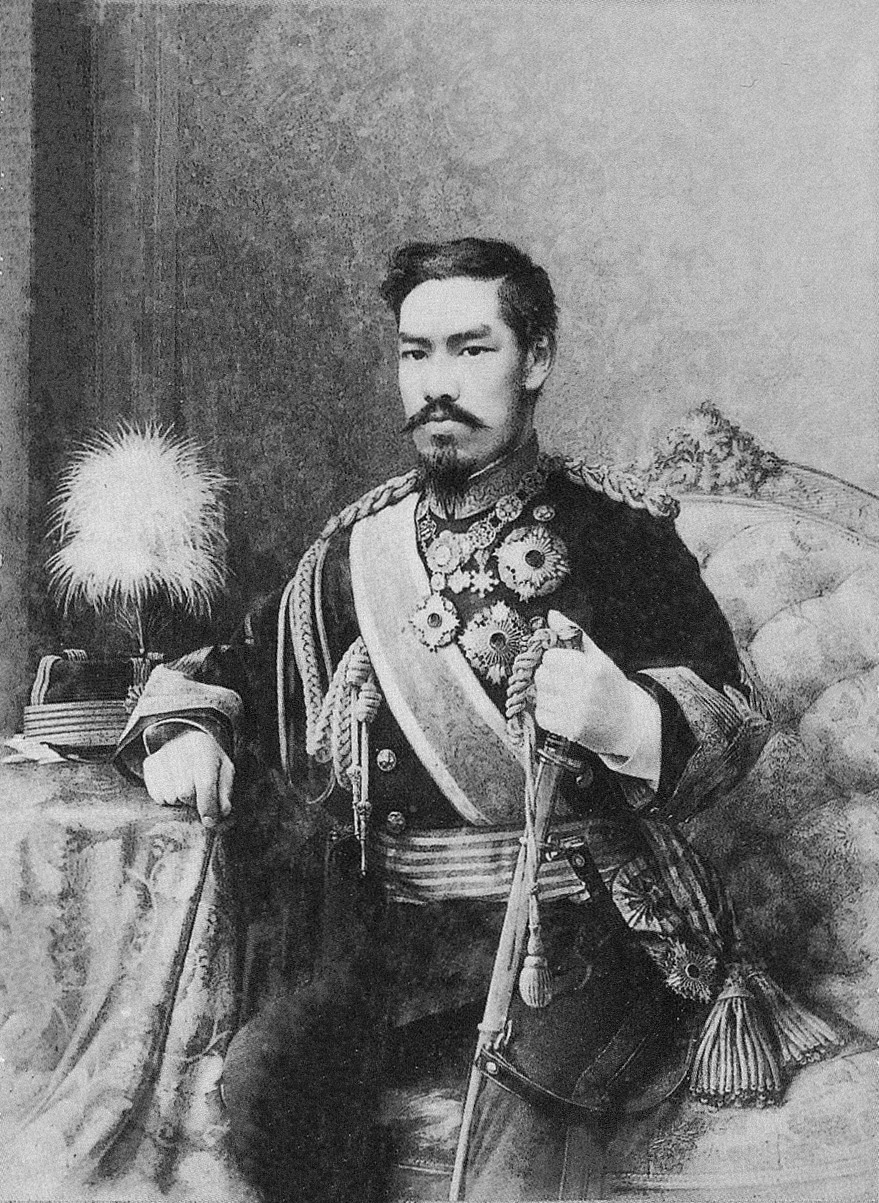
Emperor Meiji's Transition to Prefectures
Japan
Political
4 min read
Updated By: History Editorial Network (HEN)
Published:
The event revolves around the Emperor Meiji of Japan issuing an order to abolish the han system. This system had been a longstanding feudal system dividing the country into domains controlled by daimyo. The Emperor's decision aimed to centralize governance by replacing these domains with prefectures as the new administrative units.
The han system had been a pillar of feudal Japan, where regional lords held significant power and autonomy. However, the system had also led to fragmentation and internal strife within the country. The Emperor's move towards prefectural administration aimed to consolidate power under the central government, streamlining governance and promoting unity.
The establishment of prefectures as local centers of administration had a profound impact on Japan's political landscape. It marked a significant step towards modernization and centralization of power, setting the stage for Japan's rapid transformation into a modern nation-state. This shift also paved the way for the implementation of various reforms in areas such as education, military, and infrastructure.
By doing away with the han system, the Emperor aimed to promote a more unified and efficient system of governance. The change facilitated the implementation of policies that aimed to modernize Japan and strengthen its position on the global stage. The move also played a crucial role in dismantling the remnants of feudalism and fostering a sense of national identity among the Japanese people.
Overall, the Emperor's decision to abolish the han system in favor of prefectural administration was a pivotal moment in Japan's history. It symbolized a shift towards centralization, modernization, and unity, laying the groundwork for the country's emergence as a major global power.
#EmperorMeiji #AbolitionOfHanSystem #PrefecturalAdministration #JapanHistory

Explore the Life Moments of
 AI Twin