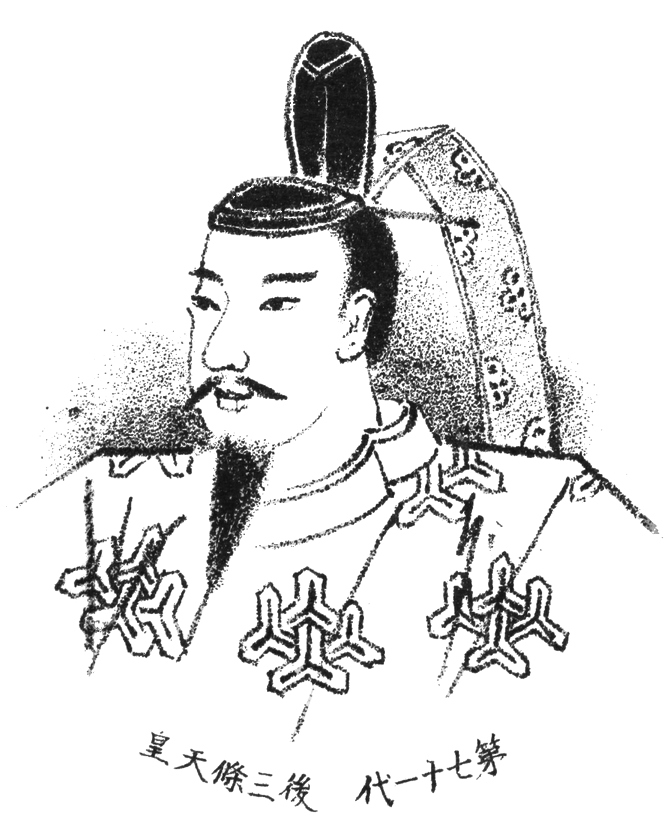
Emperor Go-Sanjō: Beginning of a Reign
Heian-kyō (Kyoto), Japan
Political
Cultural
4 min read
Updated By: History Editorial Network (HEN)
Published:
Updated:
In 1068, Emperor Go-Sanjō assumed the throne in Japan, marking the beginning of the Go-Sanjō lineage. He succeeded Emperor Juntoku and became the 71st emperor of Japan. Emperor Go-Sanjō's reign brought stability to the imperial court after a period of political turmoil.
During Emperor Go-Sanjō's rule, he focused on restoring order and harmony within the government. He implemented various reforms to strengthen the imperial institution and promote cultural development. His reign was characterized by a resurgence of traditional Japanese customs and the arts.
The ascension of Emperor Go-Sanjō to the throne had a lasting impact on the Japanese monarchy. The Go-Sanjō lineage continued for several generations, with each emperor leaving their mark on the country's history. The legacy of Emperor Go-Sanjō helped shape Japan's cultural identity and influenced the course of its political landscape.
Emperor Go-Sanjō's reign was marked by achievements in literature, art, and architecture. He commissioned the construction of several important cultural landmarks, including temples and palaces. His patronage of the arts contributed to a flourishing period of creativity and innovation in Japan.
Overall, Emperor Go-Sanjō's ascension to the throne signaled a new chapter in Japan's history. His reign laid the foundation for the prosperity and cultural richness that would define the country for centuries to come. The Go-Sanjō lineage left a lasting legacy that continues to resonate in modern Japanese society.
#EmperorGoSanjo #JapaneseMonarchy #CulturalLegacy
#GoSanjo
#HeianPeriod
#JapaneseHistory
#ImperialCourt
#FujiwaraClan
Primary Reference
Emperor Go-Sanjō

Explore the Life Moments of
 AI Twin